Lavender Green Tea: What Are the Benefits?
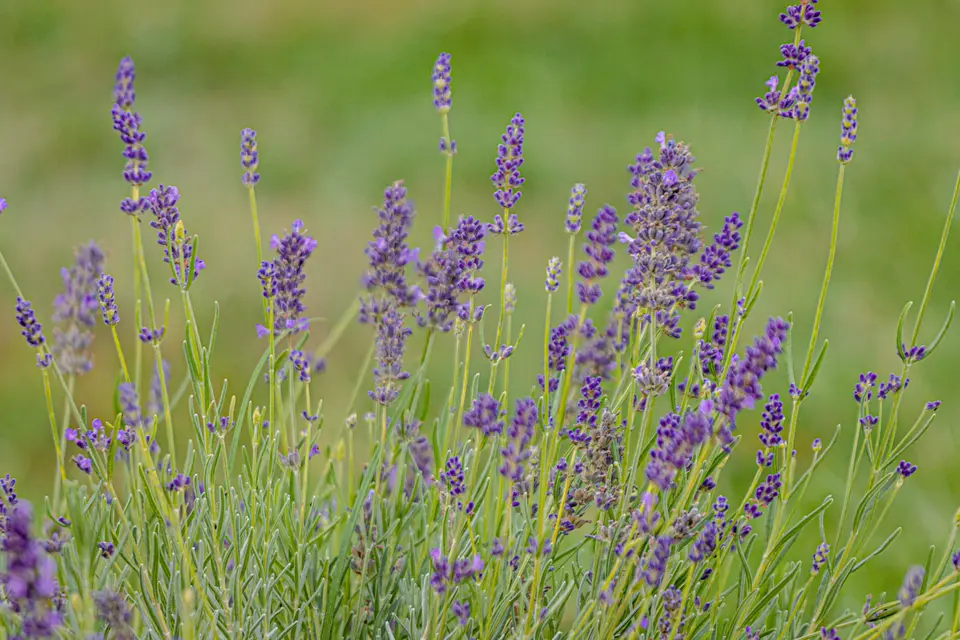
NCCIH says lavender is likely safe in the amounts typically used in food, but most of the lavender research it describes used oil, capsules or aromatherapy, not tea. We found no study of lavender with green tea. Use culinary-grade English lavender (Lavandula angustifolia) and add only a small amount.
On this page
Lavender green tea smells lovely, and that’s the surest thing we can say about it. We found no study of lavender and green tea together, and most of the lavender research summarized by NCCIH isn’t about tea at all.
What are the benefits of lavender green tea?
None are proven for the blend. The National Center for Complementary and Integrative Health (NCCIH) says more high-quality research on lavender is needed before reliable conclusions can be reached. Here is what each type of research tested:
| What was tested | What NCCIH or the studies say | Does it carry over to a pinch in green tea? |
|---|---|---|
| Lavender oil product, taken by mouth | Studies suggest it might help anxiety, but they were small and lacked independent funding and testing | No. It’s an oil product, not an infusion |
| Aromatherapy with lavender oil | NCCIH says it’s unclear whether it helps anxiety, stress, sleep or other conditions | No. It’s about breathing the scent |
| Lavender capsules or lavender tea | NCCIH says small early reports suggest they might ease depression symptoms in some people, but the research is preliminary | Only loosely. No green tea was used |
We found two small trials of lavender tea alone. In a 2015 study in Taiwan, 80 postnatal women with poor sleep were assigned systematically, not randomly, to two groups. One group smelled and then drank a cup of lavender tea each day for 2 weeks. They reported less fatigue and depression than a group that got regular care only, but the scores were similar again at 4 weeks. In a 2026 randomized trial in Turkey, 60 adults with misophonia (strong reactions to certain sounds) drank 2 g of lavender tea twice a day for 14 days. The comparison group got no intervention, and the authors say the lack of blinding and self-reported measures mean the results should be read with caution.
Neither trial used a placebo tea, and neither used green tea.


Which lavender should you use?
Use culinary-grade English lavender, Lavandula angustifolia. Here is why:
- The species matters. UC Marin Master Gardeners say English lavender is the type to choose for the kitchen. They say Spanish lavender isn’t recommended for cooking because of its high camphor content, which gives a sharper scent and a bitter taste.
- Where it came from matters. NC State Extension says flowers from a florist, garden center or nursery should be labeled as edible. Otherwise they may have been treated with ornamental pesticides that are unsafe on food crops. Buy lavender sold for cooking and labeled as edible.
- Spanish lavender tea has been linked to case reports. One report describes a heart-rhythm problem after drinking tea made from Lavandula stoechas. Another describes acute kidney injury after Spanish lavender tea. These are single cases, the abstracts don’t say how much was consumed, and they tell us nothing about how often it happens. They are one more reason not to use a random lavender.
How much lavender should you add?
Only a small amount. NCCIH says it’s likely safe to consume lavender in the amounts typically used in food. We found no source that sets a limit for lavender in a drink, so our advice rests on taste guidance. NC State Extension describes lavender’s flavor as intense, sweet and perfumed, says to use it sparingly, and lists blending it with black or green teas as one use. It also warns that lavender oil may be poisonous. Illinois Extension says a little goes a long way.
For comparison, the European Medicines Agency (EMA) has a 2012 monograph on lavender flower as a traditional herbal medicine for mild symptoms of mental stress and exhaustion and to aid sleep. For adolescents and adults it lists 1 to 2 g in 150 ml of boiling water, three times a day, based on long-standing use only. That is a medicinal dose from a regulator’s document, not a cooking amount, and the EMA says the use in children under 12 isn’t recommended. We don’t suggest drinking this blend like medicine.
How to make lavender green tea
This makes one mug of about 8 oz.
- Heat 8 oz of water to 170°F to 180°F, which fits Salada’s tea guide for green tea.
- Add one green tea bag or 1 teaspoon of loose green tea, plus a small pinch of culinary-grade dried lavender buds. About ¼ teaspoon is our starting point for taste, not a dose. We haven’t weighed it.
- Steep for 2 to 3 minutes, within the 1 to 3 minutes Salada suggests for green tea, then strain out the buds.
- Taste it. Add more lavender next time only if you want more flavor.
For another herb pairing, try green tea with mint, or browse our other green tea blends.
How much caffeine does it have?
Mayo Clinic lists about 29 mg of caffeine in 8 oz of brewed green tea. Lavender isn’t a tea plant, so we’d expect the caffeine to come from the tea leaves.
Who should be careful?
- Pregnancy and breastfeeding: NCCIH says little is known about whether lavender is safe, and the EMA says medicinal use isn’t recommended in the absence of enough data. NCCIH also says caffeine in pregnancy shouldn’t go above moderate levels, and green tea has caffeine.
- Allergies: NC State Extension advises people with hay fever, asthma or allergies not to eat flowers, since many allergies come from pollen.
- Sedatives and surgery: NCCIH says there are theoretical reasons lavender might interact with sedative drugs or herbs, especially before surgery. Ask your provider.
- Driving: the EMA monograph says lavender may impair the ability to drive and use machines. If it makes you drowsy, don’t drive.
- Depression: NCCIH advises talking to a health care provider if you or a family member may have depression.
- Side effects: NCCIH lists diarrhea, headache, nausea and burping with oral lavender products, and allergic skin reactions with topical ones. See our page on green tea allergy if you react to a tea.
More on blends & add-ins
- Lemon Ginseng Green Tea: What Are the Benefits?
- Lemongrass and Green Tea: What Are the Benefits?
- Lychee Green Tea: Is It Good for You?
- Manuka Honey in Green Tea: Does It Add Anything?
- Orange Green Tea: Benefits and How to Make It
- Green Tea With Mint: Benefits, Caffeine and How to Make It
- Can You Be Allergic to Green Tea?
- Green Tea With Turmeric: What Are the Benefits?
Sources
- Lavender: Usefulness and Safety, National Center for Complementary and Integrative Health
- Green Tea: Usefulness and Safety, National Center for Complementary and Integrative Health
- Community herbal monograph on Lavandula angustifolia Miller, flos, European Medicines Agency
- Choosing and Using Edible Flowers (AG-790), NC State Extension
- Lovely Lavender, UC Marin Master Gardeners, University of California
- Lavender, University of Illinois Extension
- Effects of Lavender Tea on Fatigue, Depression, and Maternal-Infant Attachment in Sleep-Disturbed Postnatal Women, Worldviews on Evidence-Based Nursing
- The effect of lavender herbal tea on the mental health of individuals with misophonia: A randomized controlled trial, Journal of Psychiatric Research
- Anticholinergic syndrome and supraventricular tachycardia caused by lavender tea toxicity, Keio Journal of Medicine
- Unknown criminals for kidney: Acute interstitial nephritis due to lavender tea, Explore
- Caffeine content for coffee, tea, soda and more, Mayo Clinic
- Brew Tea Temperature and Steeping Guide, Salada Tea