Lemon Ginseng Green Tea: What Are the Benefits?

We found no study of lemon, ginseng and green tea together, so any benefit has to come from the parts, and the evidence for each is limited. AriZona Green Tea lists ginseng extract but doesn't state how much, and its 20 oz can has 42 g of added sugar.
On this page
Many people who search for this drink mean AriZona Green Tea, which is made with ginseng and honey, so we’ll cover that first. Then we’ll look at what each ingredient has going for it and show you how to make a lemon green tea at home.
What are the benefits of lemon ginseng green tea?
We found no study of the three together, as a drink or otherwise. So the honest answer is what each part has behind it.
| Ingredient | What the evidence says |
|---|---|
| Green tea | The National Center for Complementary and Integrative Health (NCCIH) says definite conclusions can’t yet be reached for most of its uses. No safety concerns have been reported for it as a drink in adults. |
| Ginseng | NCCIH says a small amount of research suggests Asian ginseng may improve some thinking skills in middle-aged adults, but not in young adults. A 2023 review found a possible small effect on general fatigue. Not all research agrees, and most trials were small and shorter than 3 months. |
| Lemon | A lab digestion study found lemon juice helped green tea catechins survive. No people were tested (details below). |
None of this tells you what a bottled drink with a little of each does.

Is AriZona’s ginseng and honey green tea healthy?
It’s a sweetened tea, and the sugar is the main thing to know. AriZona’s product page lists 42 g of added sugars for the whole 20 oz can, and its FAQ puts caffeine at 8 to 10 mg per 12 oz. Labels can change, so check the can in your hand. We go through the numbers in is AriZona green tea healthy.
Two details matter for this page:
- No lemon in the list. The ingredients we read on AriZona’s product page are brewed green teas, filtered water, high fructose corn syrup, honey, ascorbic acid, citric acid, natural flavor and ginseng extract. Citric acid isn’t lemon juice.
- No ginseng amount. The label doesn’t say how much ginseng extract is in the can. It’s listed last, and US rules require ingredients to be listed by weight from most to least, so there’s less of it than of anything before it. AriZona’s FAQ says its drinks use Panax ginseng root extract.
NCCIH’s ginseng page covers Panax ginseng (Asian ginseng), but it describes studies of ginseng products. We can’t say that those findings apply to the amount in a can.
Does lemon do anything for green tea?
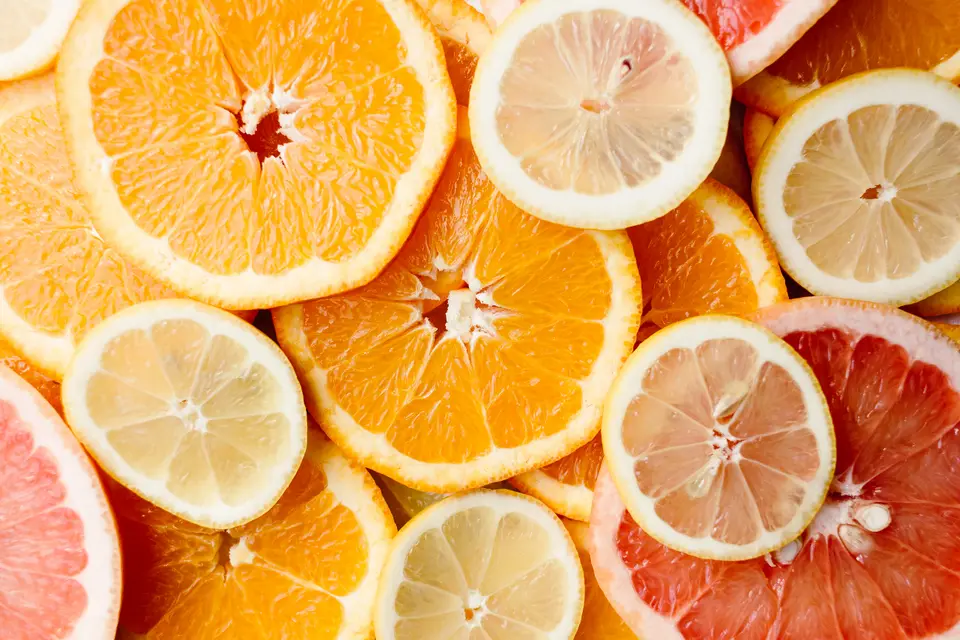
It adds flavor, and it may help the catechins in green tea survive digestion. In a 2007 lab study, less than 20% of green tea’s catechins remained after simulated digestion. Teas made with orange, grapefruit, lemon or lime juice had higher recovery than any other formulation tested.
That study had no people in it and measured what survived digestion, not what reached the blood. It was about the juice, not about ginseng or honey. Our orange green tea page explains the research in more detail.
How do you make lemon green tea at home?
This makes one mug of about 8 oz. The amounts are our starting points, so adjust them to taste.
- Rinse a lemon under plain running water, rubbing it gently, then dry it. The FDA says you don’t need soap or a produce wash.
- Heat 8 oz of water to 170°F to 180°F, the range Salada suggests for green tea.
- Steep one green tea bag or 1 teaspoon of loose tea for 2 to 3 minutes, then remove it.
- Squeeze in 1 to 2 tablespoons of lemon juice, or add a thin slice.
- If you like it sweet, stir in a little honey. Our ginger and honey green tea page covers honey’s sugar.
For iced tea, chill the tea first, then add the lemon and pour over ice.
What about adding real ginseng?
NCCIH says the root is the part of the plant most often used, and that many herbal products taken by mouth are sold as dietary supplements. We found no source that gives an amount of ginseng for a cup of tea, so we don’t give one. NCCIH’s page doesn’t either.
If you want to try it, follow the product’s label. NCCIH notes that herbal products sold as dietary supplements aren’t approved by the FDA before sale, so check what’s in them.
Who should be careful with ginseng?
NCCIH says short-term oral use of Asian ginseng, up to 6 months, in recommended amounts appears safe for most people. It also lists these cautions:
- Sleep: insomnia is the most common side effect.
- Blood sugar: ginseng might lower it, so people with diabetes should ask their provider first.
- Medicines: it might interact with certain medicines and may interfere with blood clotting.
- Pregnancy and breastfeeding: some studies suggest oral use may be unsafe during pregnancy, and little is known about breastfeeding.
- Autoimmune disorders: it may make them worse.
Green tea has its own caution. NCCIH says high doses can lower blood levels of the blood pressure drug nadolol. Ask your pharmacist if you take regular medicine. For more combinations, see our green tea blends guide.
More on blends & add-ins
- Lemongrass and Green Tea: What Are the Benefits?
- Lychee Green Tea: Is It Good for You?
- Manuka Honey in Green Tea: Does It Add Anything?
- Orange Green Tea: Benefits and How to Make It
- Passion Fruit Green Tea: Is It Good for You?
- Does AriZona Green Tea Have Caffeine, and Is It Healthy?
- Green Tea With Ginger and Honey: What Are the Benefits?
Sources
- Asian Ginseng: Usefulness and Safety, National Center for Complementary and Integrative Health
- Green Tea: Usefulness and Safety, National Center for Complementary and Integrative Health
- Green Tea | 20oz / 12-pack, AriZona Beverages
- AriZona Tea FAQs, AriZona Beverages
- 21 CFR § 101.4 - Food; designation of ingredients., Legal Information Institute, Cornell Law School
- Common tea formulations modulate in vitro digestive recovery of green tea catechins, Molecular Nutrition & Food Research
- 7 Tips for Cleaning Fruits, Vegetables, U.S. Food and Drug Administration
- Brew Tea Temperature and Steeping Guide, Salada Tea