Green Tea and Sage: Is the Blend Safe?
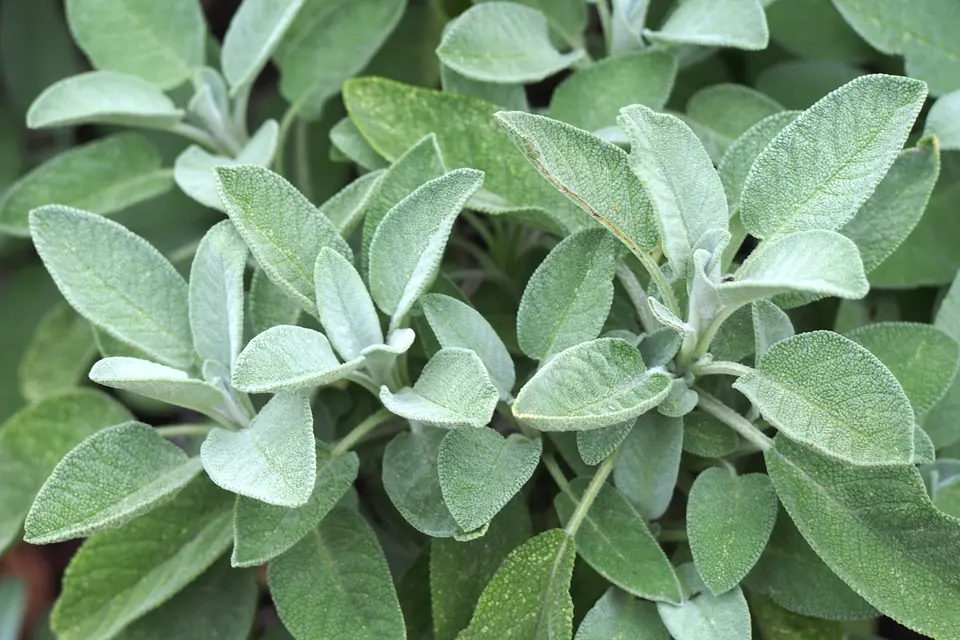
NCCIH says sage is likely safe in the amounts commonly found in food, and a leaf or two in a cup is a kitchen-size amount. But common sage contains thujone, which can be toxic in large amounts, so don't make it a daily medicinal tea. Skip it in pregnancy, and never use sage essential oil in tea.
On this page
Sage is a kitchen herb, and a leaf or two in a cup of green tea is a small, kitchen-size amount. The catch is that common sage (Salvia officinalis) contains thujone, and the safety advice depends on how much you use and for how long. We found no study of green tea and sage together, so this page is about what each part is known for.
Is it safe to drink green tea and sage?
For most adults, in small amounts, yes. The National Center for Complementary and Integrative Health (NCCIH) says sage is likely safe in the amounts commonly found in food. It also says some species, including common sage, contain thujone, a component that can be toxic in large amounts. So NCCIH says sage may be unsafe in high doses or if used for long periods.
NCCIH also says no safety concerns have been reported for green tea as a drink in adults, though it has caffeine.

What does sage add to green tea?
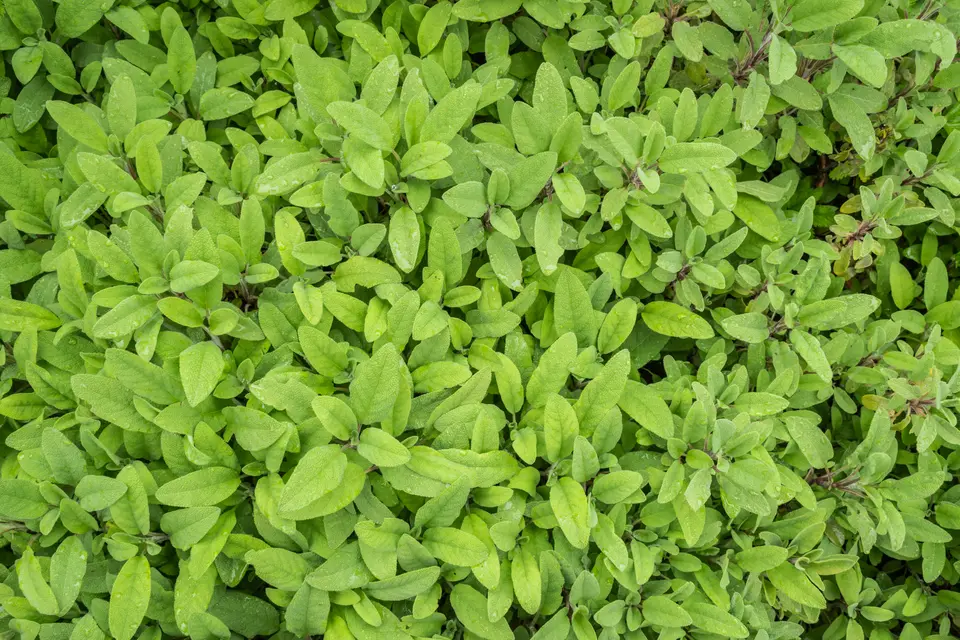
Flavor, mostly. Health claims are another matter. NCCIH says only small amounts of research have been done on sage for health conditions, so firm conclusions can’t be reached. A few small studies suggest common sage might reduce how often hot flashes happen in menopause. A few suggest common sage, Spanish sage or both may improve memory test scores in healthy people, or may help blood cholesterol levels, but the evidence is small. NCCIH notes that sage is promoted as a dietary supplement for these uses. We found no research on sage leaf in green tea.
The European Medicines Agency (EMA) lists sage leaf as a traditional herbal medicine for mild indigestion and excessive sweating (taken by mouth), and for inflammation in the mouth or throat and minor skin inflammation (used as a gargle or on the skin). That status rests on long-standing use only. The EMA’s assessment says the existing data aren’t enough at present to show efficacy for “well-established” use.
What is thujone, and how much is too much?
Thujone is a compound in common sage leaf. The EMA says sage essential oil is characterized by high levels of it. The EMA’s monograph says thujone is reported to be neurotoxic, and that low-thujone types of sage should be preferred. Its limits are for medicinal products:
| Form | What the sources say |
|---|---|
| Sage as a food or seasoning | NCCIH: likely safe in food amounts |
| Sage leaf tea as a traditional medicine | EMA, for adults: 1 to 2 g of leaf in 150 ml of boiling water, 3 times daily for mild indigestion, and 2 g in 150 ml for sweating. See a doctor if indigestion lasts longer than 2 weeks |
| Sage essential oil | EMA: thujone is toxic and may cause seizures at high doses, based on animal studies and case reports. Its public statement concludes the oil’s benefits don’t outweigh its risks |
| Larger amounts in research | NCCIH: larger amounts were used safely for up to 8 weeks in studies, but sage may be unsafe at high doses or long term |
The EMA’s monograph says daily thujone exposure from these products has to be below 6.0 mg. Its public statement on sage oil describes the limit for sage leaf products as 6.0 mg a day for a maximum of 2 weeks. The monograph also reports that no case of overdose from sage leaves has been reported, while sage oil equal to more than 15 g of leaf has been reported to cause a sensation of heat, a fast heartbeat, vertigo and seizures.
We found no source that gives the thujone in a homemade cup of sage tea. So we can’t tell you how close a cup comes to those limits. That’s why we keep the amount small and the habit occasional.
How to make green tea with sage
This makes one mug of about 8 oz.
- Heat 8 oz of water to 170°F to 180°F, which fits Salada’s tea guide for green tea.
- Add one green tea bag or 1 teaspoon of loose green tea, plus one fresh common sage leaf or a small pinch of crumbled dried common sage.
- Steep for 2 to 3 minutes, within the 1 to 3 minutes Salada suggests for green tea, then remove the tea and the sage.
These amounts are starting points for taste. We haven’t weighed them, and they aren’t doses. Use plain culinary sage. Other plants called sage, such as clary sage, are different species that we haven’t checked. Never use sage essential oil in a drink. For a gentler herb, try green tea with mint, or browse our other green tea blends.
How much caffeine does it have?
Mayo Clinic lists about 29 mg of caffeine in 8 oz of brewed green tea. Sage isn’t a tea plant, so we’d expect the caffeine to come from the tea. Our page on whether green tea is an herbal tea explains the difference.
Who should be careful?
- Pregnancy: NCCIH says it may be unsafe to use sage during pregnancy because thujone may have harmful effects. The EMA doesn’t recommend its sage products in pregnancy either, because safety hasn’t been established. NCCIH also says caffeine in pregnancy shouldn’t go above moderate levels.
- Breastfeeding: NCCIH says little is known. The EMA doesn’t recommend its sage products while breastfeeding, for lack of data.
- Children and teens: the EMA doesn’t recommend sage products under 18 because there aren’t enough data. Its tea amounts are for adults.
- Allergy: the EMA lists hypersensitivity to sage as a contraindication.
- Medication: the EMA monograph says no interactions have been reported, but NCCIH advises talking with your provider before using any herbal product if you take medicine. NCCIH also says green tea at high doses can lower levels of the blood pressure drug nadolol.
- Long-term use: NCCIH says sage may be unsafe if used for long periods, so we’d keep this an occasional cup.
If you think a tea caused a reaction, see our page on green tea allergy.
More on blends & add-ins
- Green Tea With Almonds: Almond Milk, Flavor and Benefits
- Green Tea With Coconut Milk: What Does It Add?
- Green Tea With Coconut Water: Can You Mix Them?
- Green Tea With Cucumber: What Does It Add?
- Green Tea With Ginger and Honey: What Are the Benefits?
- Green Tea With Mint: Benefits, Caffeine and How to Make It
- Is Green Tea Considered an Herbal Tea?
- Can You Be Allergic to Green Tea?
- Green Tea With Turmeric: What Are the Benefits?
Sources
- Sage: Usefulness and Safety, National Center for Complementary and Integrative Health
- European Union herbal monograph on Salvia officinalis L., folium, European Medicines Agency
- Assessment report on Salvia officinalis L., folium and Salvia officinalis L., aetheroleum, European Medicines Agency
- Public statement on Salvia officinalis L., aetheroleum, European Medicines Agency
- Green Tea: Usefulness and Safety, National Center for Complementary and Integrative Health
- Caffeine content for coffee, tea, soda and more, Mayo Clinic
- Brew Tea Temperature and Steeping Guide, Salada Tea