Is Green Tea With Pomegranate Good for You?
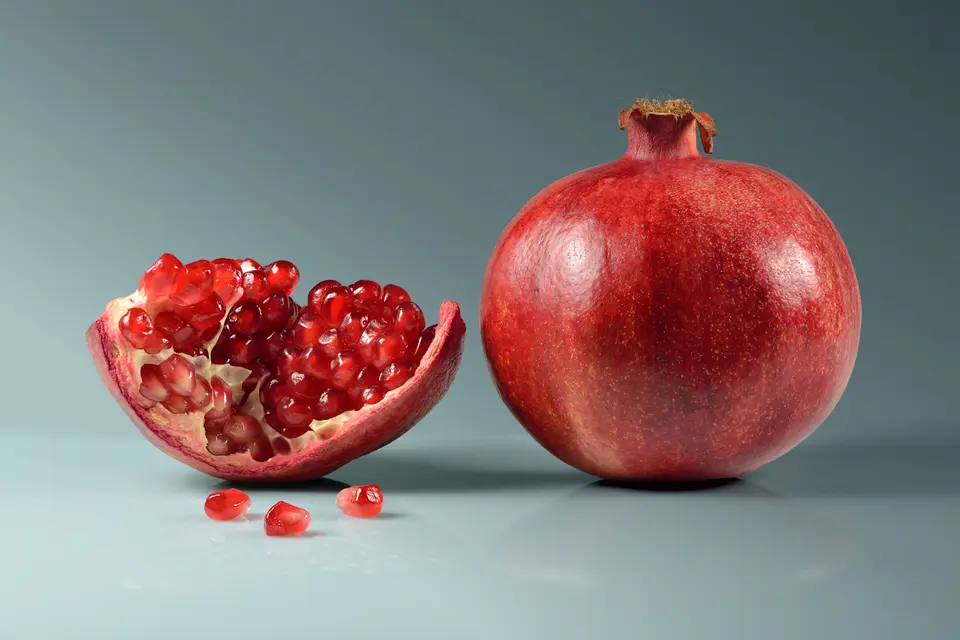
Yes, for most adults, if it's unsweetened. An 8 oz cup of brewed green tea has about 29 mg of caffeine and almost no calories. The pomegranate benefits you read about, mainly lower blood pressure, come from studies of juice or extract. We found no human study of the tea itself. Check bottled versions for added sugar.
On this page
Yes, unsweetened green tea with pomegranate is a good everyday drink for most adults, but its benefits are mostly borrowed. The research behind the claims tested pomegranate juice or extract, not this tea. We searched PubMed for human trials of the tea as a drink and found none. What you can count on is simpler: a brewed 8 oz cup has about 29 mg of caffeine and almost no calories, according to USDA data. Our green tea caffeine guide compares that with coffee and black tea.
What is pomegranate known for?
Pomegranate is promoted for high blood pressure, heart disease and diabetes. Here’s where the evidence stands, according to the National Center for Complementary and Integrative Health (NCCIH):
| Area | What NCCIH says |
|---|---|
| Blood pressure | Juice or extract may help, but more research is needed |
| Blood sugar | Pomegranate may lower it to a small extent |
| Cholesterol | No clear effects have been shown |
| Other conditions | Too little research to draw conclusions |
A 2024 review pooled 22 randomized trials and found lower blood pressure with pomegranate in different forms. Results varied widely from study to study, and the authors called for better trials.

What is green tea with pomegranate good for?
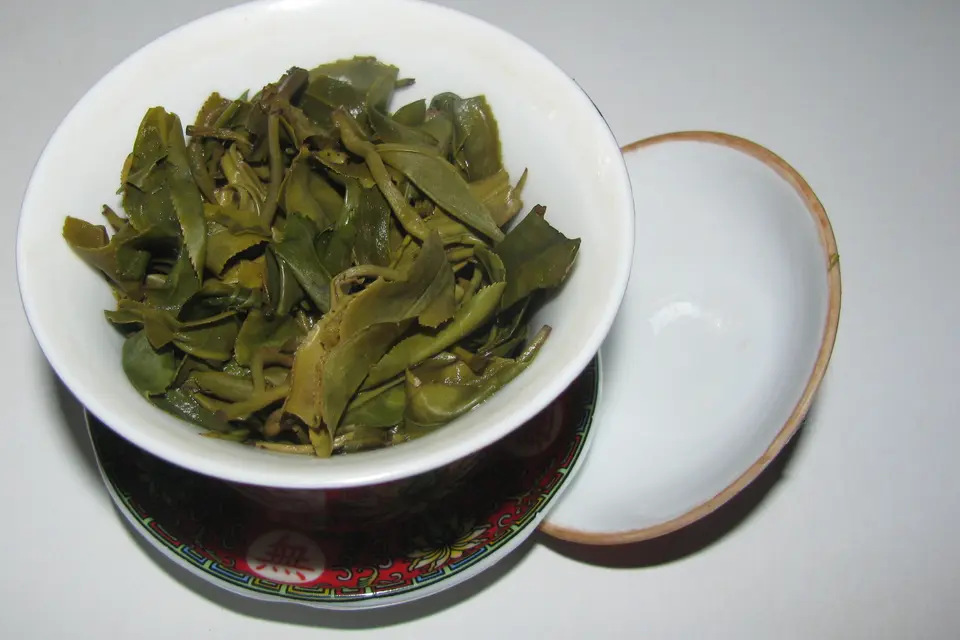
It’s a flavored way to drink green tea. Beyond that, we can’t point to a proven benefit. Many pomegranate studies used juice, and a tea with pomegranate flavoring or a small splash of juice isn’t the same thing. A benefit seen with a glass of juice or an extract doesn’t automatically carry over to a cup with far less pomegranate in it.
The evidence for green tea is limited too. NCCIH says definite conclusions can’t yet be reached for most of its uses, and most of the cholesterol studies tested extract supplements.
One trial we found did combine the two, but not as tea. It gave 114 people with type 2 diabetes either a placebo or a supplement containing pomegranate extract, green tea extract and vitamin C for 3 months. LDL cholesterol fell and HDL cholesterol rose in the supplement group compared with placebo. That was a concentrated supplement in people with diabetes, so it tells you little about a drink.
What about pomegranate tea in general?
Read the ingredients before you buy. Check whether pomegranate appears as juice, fruit, peel or flavoring. NCCIH says pomegranate juice is believed to be safe, but the root, stem and peel may not be safe in large amounts because they contain substances that can have harmful effects.
How to make pomegranate green tea
This makes one mug of about 8 oz.
- Heat 8 oz of water to 170°F to 180°F. No thermometer? Boil it and let it sit for a few minutes.
- Add one green tea bag or 1 teaspoon of loose green tea. Steep for 2 to 3 minutes.
- Remove the tea.
- Stir in 2 tablespoons of 100% pomegranate juice.
For iced tea, chill the tea first, then add the juice and pour over ice.
Based on USDA data for bottled juice, 2 tablespoons (1 fl oz) has about 4 g of sugars and 17 calories. That’s our math from USDA’s listing, and your brand may differ.
What should you check on bottled versions?
Bottled pomegranate green tea can be a very different drink from the recipe above. Look at the Nutrition Facts label first. For a closer look at one bottled brand, see is Arizona green tea healthy?
- Added Sugars line: the FDA sets the Daily Value at 50 g a day. It calls 5% or less low and 20% or more high.
- Serving size: check whether the numbers cover one serving or the whole bottle.
- Ingredient list: the FDA counts sugars from syrups, honey and concentrated fruit juices as added sugars.
Can pomegranate juice interact with medication?
The evidence is weak and mixed, and it’s about juice, not tea.
- Lab and animal studies: these suggest pomegranate juice could block enzymes that break down many drugs. A 2013 review said this hadn’t been shown to matter in people.
- Human studies: two small studies used midazolam, a test drug for one of these enzyme systems. Neither found a significant change. One gave 13 people 8 oz of juice. The other gave 16 people 200 mL twice a day for 2 weeks.
- Warfarin: case reports raise a possible link. In one, a woman’s warfarin blood test (INR) fell below target after she stopped drinking the juice, and the author rated the link as possible. A 2015 review said the relevance of such reports is hard to judge.
If you take warfarin or another regular medicine and often drink pomegranate juice, tell your doctor or pharmacist. Green tea has its own interactions too. NCCIH says high doses can lower levels of the blood pressure drug nadolol.
Who should be careful?
- Allergies: allergic reactions to pomegranate have been reported.
- Digestive symptoms: pomegranate usually doesn’t cause side effects, but some people may have digestive symptoms.
- Pregnancy and breastfeeding: NCCIH says drinking pomegranate juice may be safe, and little is known about other forms. Green tea has caffeine, so keep your intake moderate and ask your healthcare provider about your limit.
For more fruity pairings, try orange, or browse all our green tea blends.
Common questions
How much caffeine is in pomegranate green tea?
About 29 mg in an 8 oz cup brewed from green tea, based on USDA data (12 mg per 100 g). Pomegranate juice adds no caffeine. Bottled versions vary, and the FDA says caffeine labeling on many packaged drinks is voluntary, so check the label or ask the brand. The FDA cites 400 mg a day as an amount not generally linked to negative effects for most adults.
Does green tea with pomegranate lower blood pressure?
It hasn't been tested as a tea. A 2024 review of 22 trials found pomegranate in different forms lowered systolic blood pressure by about 8 mmHg on average, but results varied widely and the authors called for better studies. NCCIH says juice or extract may help and more research is needed.
Is bottled pomegranate green tea as healthy as brewed?
Not always. Brewed and unsweetened, it has almost no sugar or calories. A bottled drink can carry added sugar, and the FDA counts sugar from concentrated fruit juice as added sugar. Its Daily Value for added sugars is 50 g, and 20% DV or more in a serving is high.
More on blends & add-ins
- Is Mango Green Tea Good for You?
- Is Organic Peach Green Tea Good for You?
- Is Raspberry Green Tea Good for You?
- Lavender Green Tea: What Are the Benefits?
- Lemon Ginseng Green Tea: What Are the Benefits?
- Does AriZona Green Tea Have Caffeine, and Is It Healthy?
- Is Green Tea With Elderberry Good for You?
- Orange Green Tea: Benefits and How to Make It
- Green Tea With Ginger and Honey: What Are the Benefits?
Sources
- Pomegranate, National Center for Complementary and Integrative Health
- Green Tea, National Center for Complementary and Integrative Health
- The effects of pomegranate consumption on blood pressure in adults: A systematic review and meta-analysis, Phytotherapy Research
- The effects of polyphenol-containing antioxidants on oxidative stress and lipid peroxidation in Type 2 diabetes mellitus without complications, Journal of Endocrinological Investigation
- Is pomegranate juice a potential perpetrator of clinical drug-drug interactions? Review of the in vitro, preclinical and clinical evidence, European Journal of Drug Metabolism and Pharmacokinetics
- Pomegranate juice does not impair clearance of oral or intravenous midazolam, a probe for cytochrome P450-3A activity: comparison with grapefruit juice, Journal of Clinical Pharmacology
- Effect of 2 weeks' consumption of pomegranate juice on the pharmacokinetics of a single dose of midazolam: an open-label, randomized, single-center, 2-period crossover study in healthy Japanese volunteers, Clinical Therapeutics
- Potential interaction between pomegranate juice and warfarin, Pharmacotherapy
- A Comprehensive Review of Potential Warfarin-Fruit Interactions, Journal of Pharmacy Practice
- Beverages, tea, green, brewed, regular, USDA FoodData Central
- Spilling the Beans: How Much Caffeine is Too Much?, U.S. Food and Drug Administration
- Pomegranate juice, bottled, USDA FoodData Central
- Added Sugars on the Nutrition Facts Label, U.S. Food and Drug Administration
- Brew Tea Temperature and Steeping Guide, Salada Tea