Green Tea and Grapefruit: Benefits and Medicine Interactions
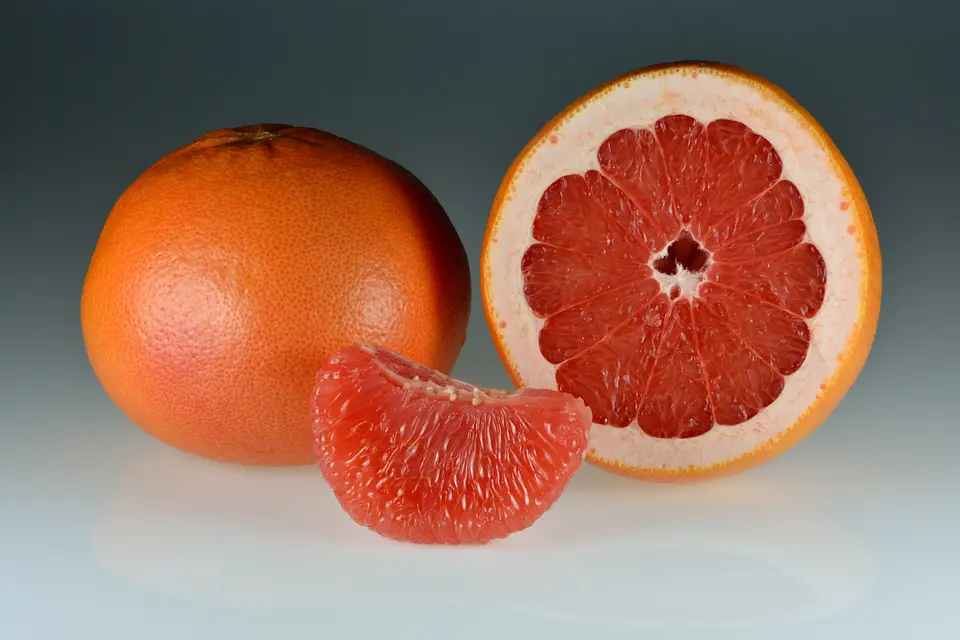
Grapefruit adds a tart citrus taste to green tea, but we found no human study showing it makes the tea more beneficial. The bigger point is medicine: the FDA says grapefruit can change how some drugs work. If you take any, ask a pharmacist before you make this a habit.
On this page
Green tea with grapefruit is a bright, slightly bitter drink, and that’s the best reason to make it. (If you searched for “Grüntee mit Grapefruit”, it’s the same idea.) The part worth knowing first is the medicine warning.
Does green tea with grapefruit have benefits?
We found no human study of green tea with grapefruit, so we can’t say the pair does more than the tea alone. The FDA says grapefruit and grapefruit juice can be part of a healthy diet, and that grapefruit has vitamin C and potassium. That’s about the fruit, not the tea.
For green tea itself, the National Center for Complementary and Integrative Health (NCCIH) says no safety concerns have been reported for it as a drink in adults, but that definite conclusions can’t yet be reached for most of its uses. Its cholesterol findings came mostly from studies of extract supplements, not brewed tea. If you see online claims about grapefruit tea benefits, check which source they rely on.


Does grapefruit help your body absorb green tea catechins?
There’s one lab study, and it’s a small piece of the picture. In 2007, researchers ran green tea through a simulated digestion with no people involved. Less than 20% of the total catechins remained in plain tea. Teas made with orange, grapefruit, lemon or lime juice gave higher recovery of the main catechins than any other formulation tested. EGCG recovery ranged from 56% to 76% across the juices.
Keep the limits in mind. The study measured what survived digestion, not what reached the blood. It tested juice, not peel or flavoring, and it can’t show a health benefit. Our orange green tea and cucumber green tea pages describe the same study. For catechin levels in different teas, see which green teas have the most EGCG.
Can you drink grapefruit green tea if you take medicine?
Ask first. The FDA says grapefruit juice and grapefruit can affect the way your medicines work, and it has required some prescription and over-the-counter drugs taken by mouth to carry warnings against them. Its examples include:
- some statins that lower cholesterol, such as simvastatin and atorvastatin
- some blood pressure drugs, such as nifedipine
- some organ-transplant drugs, such as cyclosporine
- some anti-anxiety drugs, such as buspirone
- some corticosteroids for Crohn’s disease or ulcerative colitis, such as budesonide
- some drugs for abnormal heart rhythms, such as amiodarone
- some antihistamines, such as fexofenadine
The FDA says grapefruit juice doesn’t affect every drug in these groups. With most affected drugs, the juice lets more of the drug enter the blood, which can mean more side effects. For a few, such as fexofenadine, it can mean less of the drug, so it may not work as well. How strong the effect is depends on the person, the drug and how much grapefruit juice you drink.
Green tea has its own medicine notes. NCCIH says green tea at high doses can lower blood levels of nadolol, and green tea extract can lower levels of atorvastatin. Atorvastatin appears on both lists, which is one more reason to ask.
Here’s what we couldn’t find. The FDA page is about the juice and the fruit. We found no source on whether grapefruit peel, slices or the “natural flavor” in a tea have the same effect. So if your medicine warns against grapefruit, ask your pharmacist or provider about this tea too. The FDA also says to read your medication guide or Drug Facts label, and, if you must avoid grapefruit juice, to check labels on drinks flavored with fruit juice. It adds that Seville oranges, pomelos and tangelos might have the same effect as grapefruit juice, and not to eat them if your medicine interacts with it.
How do you make green tea with grapefruit?
This makes one mug of about 8 oz. The amounts are our starting points. Skip this recipe if your medicine interacts with grapefruit.
- Rinse the grapefruit under plain running water, rubbing it gently, then dry it. The FDA says there’s no need for soap or a produce wash.
- Heat 8 oz of water to 170°F to 180°F, the range Salada suggests for green tea.
- Steep one green tea bag or 1 teaspoon of loose tea for 2 to 3 minutes, then remove it.
- Add 2 tablespoons of fresh grapefruit juice or a thin slice once the tea is out.
For iced tea, chill the tea first, then add the grapefruit and pour over ice.
What about bottled grapefruit green tea?
Read the ingredient list to see whether the flavor comes from juice, peel or “natural flavor”. On a sweetened drink, check the Added Sugars line too. If your medicine warns against grapefruit, ask your pharmacist whether a grapefruit-flavored tea is okay.
You can find more flavors in our green tea blends guide.
More on blends & add-ins
- Green Tea and Sage: Is the Blend Safe?
- Green Tea With Almonds: Almond Milk, Flavor and Benefits
- Green Tea With Coconut Milk: What Does It Add?
- Green Tea With Coconut Water: Can You Mix Them?
- Green Tea With Cucumber: What Does It Add?
- Orange Green Tea: Benefits and How to Make It
- Which Green Tea Has the Highest EGCG? Brands vs Tea Types
- Does AriZona Green Tea Have Caffeine, and Is It Healthy?
Sources
- Grapefruit Juice and Some Drugs Don't Mix, U.S. Food and Drug Administration
- Green Tea: Usefulness and Safety, National Center for Complementary and Integrative Health
- Common tea formulations modulate in vitro digestive recovery of green tea catechins, Molecular Nutrition & Food Research
- 7 Tips for Cleaning Fruits, Vegetables, U.S. Food and Drug Administration
- Brew Tea Temperature and Steeping Guide, Salada Tea