Tulsi and Green Tea: What Does Holy Basil Add?
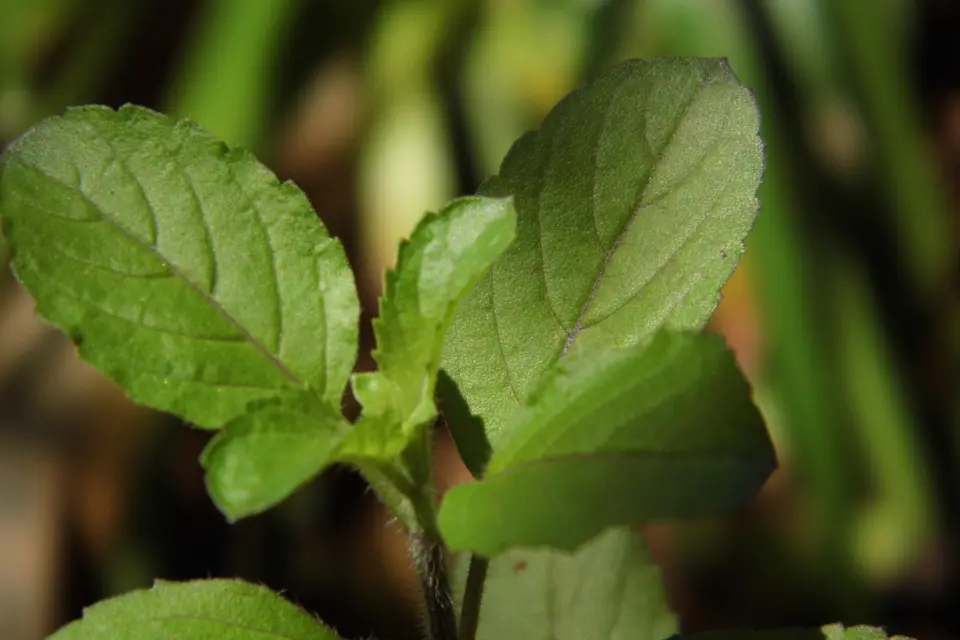
Tulsi is holy basil, a different plant from tea. Evidence that it helps people is limited: Memorial Sloan Kettering cites small studies and says more research is needed, and we found no study of tulsi with green tea. In a tulsi green tea blend, the caffeine comes from the green tea.
On this page
Tulsi and green tea are sold together as a blend, and many people drink it for the flavor. Whether it adds a health benefit is a different question. We found no study showing that it does, and the studies that exist were of tulsi on its own, not in a tea blend.
What is tulsi?
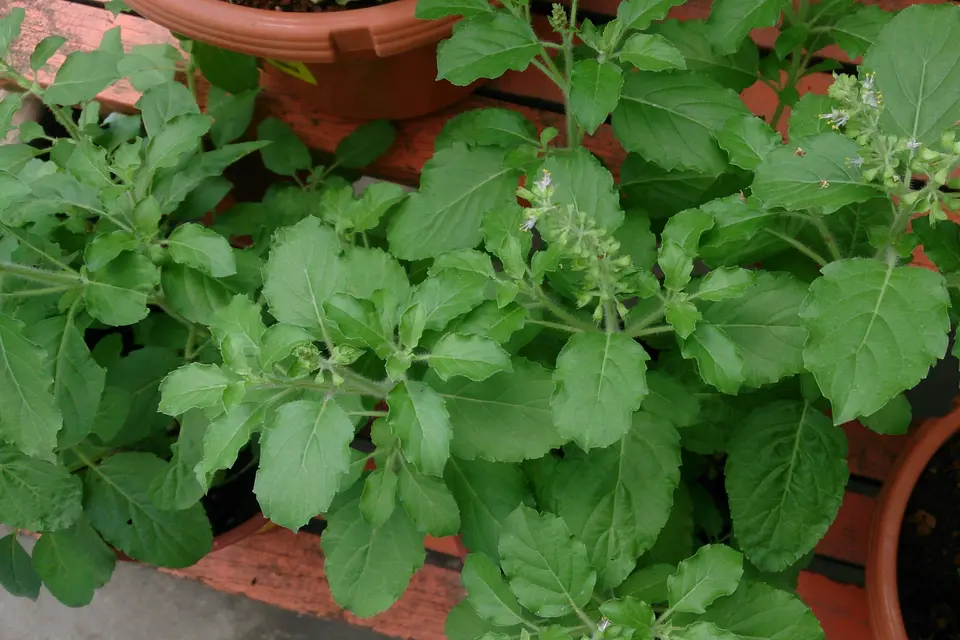
Tulsi, also spelled tulasi, is holy basil. Memorial Sloan Kettering (MSK) lists its scientific names as Ocimum tenuiflorum and Ocimum sanctum L. The National Center for Complementary and Integrative Health (NCCIH) says green, black and oolong teas come from Camellia sinensis, so tulsi is a different plant. MSK also says holy basil shouldn’t be confused with basil, which is widely used in south Asian cooking, so check the botanical name on the label.

Does tulsi green tea have benefits?
We can’t say that it does. Here’s how weak the evidence is.
- MSK: small clinical studies suggest holy basil may help lower stress and improve sleep quality, and it says further research is needed to substantiate that. It lists anxiety, insomnia and diabetes among the things people use holy basil for, and describes its supplement forms as tablets, capsules, eye drops and liquid extracts. It doesn’t mention tea.
- A 2017 systematic review: it found 24 human studies of tulsi taken as a single herb, covering blood sugar and other metabolic measures, heart health, immunity and thinking skills. All reported favorable results, and the authors conclude tulsi appears safe and may help normalize blood sugar, blood pressure and blood fats. But they also list big limits. Only 3 of the 24 got a high quality score in their results section (a later section says 7), and all but three lacked double blinding. Almost all were done in India and published in local journals, the authors can’t be sure they found every study, and they say tulsi’s effects may have been overestimated. They write that there’s not enough evidence for any specific tulsi preparation to help with any one condition, and call for larger, longer studies with standard formulations. One author declared that he advises a company that sells tulsi products.
- Green tea: NCCIH says definite conclusions can’t yet be reached on whether green tea helps with most of the things it’s used for.
Those studies used leaf powder, extracts and other preparations, not a green tea blend. We searched PubMed and found no human study of tulsi with green tea. A benefit seen in a capsule doesn’t carry over automatically to a tea with a few leaves in it.
Does tulsi green tea have caffeine?
Yes, if the product contains green tea. Tulsi isn’t from the tea plant, so the caffeine in a blend comes from the green tea part.
- NCCIH says green tea contains caffeine. Mayo Clinic lists about 29 mg for 8 oz of brewed green tea.
- Twinings says herbal teas such as peppermint and chamomile are naturally caffeine free because they don’t come from the tea plant. We found no source that gives a caffeine figure for tulsi itself.
- A blend may have less green tea in the bag than a plain green tea bag has. That would mean less caffeine, but we found no brand figure to confirm it. Read the ingredient list and any caffeine statement on the box.
If you want to avoid caffeine, a tulsi tea with no Camellia sinensis in the ingredients is a different product. See our page on decaf green tea for what decaf still contains.
What are the side effects of tulsi?
MSK lists nausea, headache and feeling agitated. The 2017 review found no significant adverse events in the studies it covered: 15 of the 24 reported none, 8 didn’t say, and one reported occasional nausea. The longest study lasted 13 weeks, and the authors note that this doesn’t rule out long-term side effects.
Who should check first:
- Anyone on regular medicine: MSK’s page doesn’t address drug interactions, and we found no strong source that does, so whether tulsi interacts with medicines is not established. MSK asks patients to tell their providers about any supplements they take. If you use tulsi often, mention it to your pharmacist.
- Diabetes: MSK lists managing diabetes among the things people use holy basil for. We found no strong source on how tulsi tea affects blood sugar alongside diabetes medicine, so that is not established either. Ask your provider before using tulsi often.
- Pregnancy: we found no strong source on tulsi in pregnancy, so its safety there is not established. Ask your provider. NCCIH also says caffeine in pregnancy shouldn’t exceed moderate levels.
- Nadolol: green tea at high doses can lower blood levels of this blood pressure drug, NCCIH reports. Ask your pharmacist if you take it.
How do you make tulsi green tea at home?
This makes one mug of about 8 oz. We found no source for how much tulsi to use in tea. The amounts here are flavor starting points, not doses.
- Heat 8 oz of water to 170°F to 180°F, the range Salada suggests for green tea.
- Put one green tea bag or 1 teaspoon of loose green tea in a mug with 4 to 6 fresh tulsi leaves, or 1 teaspoon of dried tulsi.
- Pour in the water and steep for 2 to 3 minutes, then strain out the tea and leaves.
- Sweeten only if you like. Our ginger and honey green tea page covers honey.
Want another herb? Try green tea with mint, or see what the evidence says about another herbal ingredient, ginseng, in lemon ginseng green tea. More combinations are in our green tea blends guide.
More on blends & add-ins
- Can You Mix Green Tea and Black Tea? Yes, Here's How
- Can You Put Cream in Green Tea?
- Goji Berry Green Tea: Benefits and Who Should Skip It
- Green Tea and Apple Cider Vinegar: What Does the Evidence Say?
- Green Tea and Chia Seeds: Can You Have Them Together?
- Green Tea With Mint: Benefits, Caffeine and How to Make It
- Green Tea With Ginger and Honey: What Are the Benefits?
- Is There a Decaf Green Tea?
- Lemon Ginseng Green Tea: What Are the Benefits?
Sources
- Holy Basil, Memorial Sloan Kettering Cancer Center, About Herbs
- The Clinical Efficacy and Safety of Tulsi in Humans: A Systematic Review of the Literature, Evidence-Based Complementary and Alternative Medicine
- Green Tea, National Center for Complementary and Integrative Health
- FAQs, Twinings North America
- Caffeine content for coffee, tea, soda and more, Mayo Clinic
- Brew Tea Temperature and Steeping Guide, Salada Tea