How to Make a Starbucks-Style Matcha Green Tea Latte
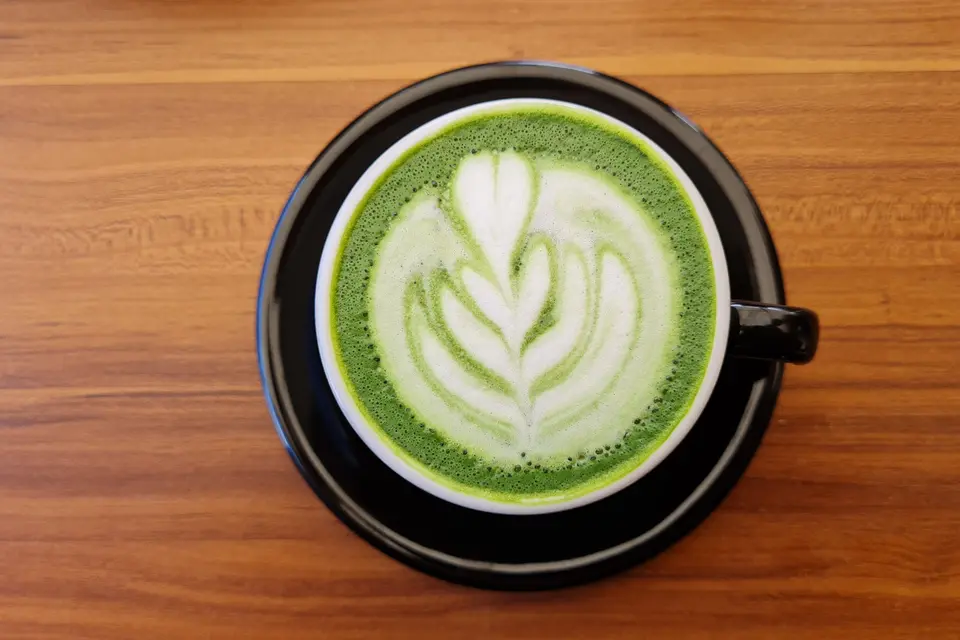
This is a homemade copycat, not Starbucks' own recipe. Whisk matcha with a little hot water, sweeten it, and add steamed milk. We couldn't open Starbucks' nutrition page when we checked on November 2, 2026, so look there for its calories, sugar and caffeine.
On this page
This is our homemade copycat of the Starbucks matcha latte, not Starbucks’ recipe. It aims for the same kind of drink: matcha, milk and a little sweetness.
What’s in the Starbucks matcha latte?
We tried to check Starbucks’ own menu and nutrition pages on November 2, 2026, and couldn’t open them. So we don’t list Starbucks’ ingredients, calories, sugar or caffeine here, and we don’t guess at them. If you want those numbers, check the nutrition details on Starbucks’ menu for your size, since menus and recipes change.
What we can say is that a matcha latte is matcha, milk and usually a sweetener. That’s what the copycat below uses.
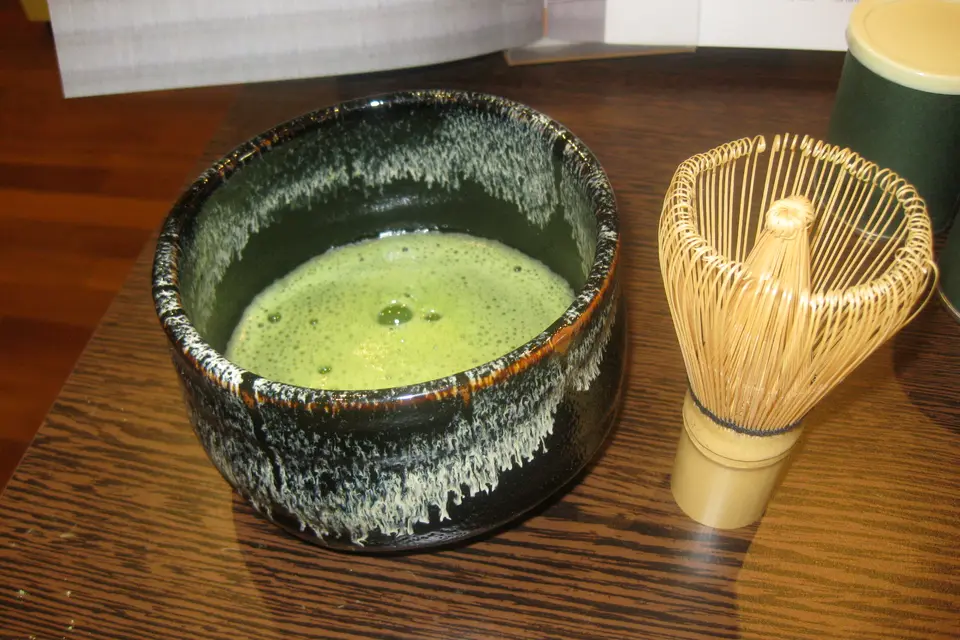

How to make a Starbucks-style matcha latte at home
This makes one hot drink of about 10 oz. It’s our recipe, built on a standard matcha method.
- Sift 2 level teaspoons of matcha into a mug. Ippodo’s basic method uses 1 level teaspoon (2 g) with 60 mL of water, so this is a double serving, which is our choice for a latte.
- Add 2 oz of hot water at about 175°F to 180°F. Ippodo uses 80°C (176°F). Whisk until smooth and foamy. A bamboo whisk works well, or use a small hand frother.
- Stir in 1 to 2 teaspoons of sugar while the matcha is warm.
- Heat 8 oz of milk until steaming but not boiling. Froth it if you like, and pour it over the matcha.
- Taste, then add more sweetener if you want.
For an iced version, whisk the matcha and sugar with the hot water, add 6 oz of cold milk and pour over ice. Want a dairy-free drink? Read about green tea with almond milk.
These are starting points. Adjust to your taste and your matcha. If you’re new to it, how matcha differs from green tea explains what you’re buying. More options are in our matcha guide and green tea brands pages, or see how to make Panera green tea.
How much caffeine and sugar will mine have?
We can’t give you a number for caffeine. It depends on how much matcha you use and which brand, and we didn’t find a reliable per-teaspoon figure. For context, Mayo Clinic lists about 29 mg for 8 oz of brewed green tea, and says up to 400 mg a day may be safe for most adults.
Sugar is easier to control. The FDA’s Daily Value for added sugars is 50 g a day, and it doesn’t count sugars naturally found in milk, so the sugar you stir in counts toward it while the milk’s own sugar doesn’t. At home, you pick the sweetener and the amount.
What does the evidence show for a matcha latte?
Matcha is green tea, with the dried leaves ground into a fine powder, according to Harvard’s Nutrition Source. So the evidence is the same as for green tea in general. The National Center for Complementary and Integrative Health says no safety concerns have been reported for green tea as a drink in adults, but that firm conclusions can’t yet be reached for most uses. It also notes that the cholesterol studies it describes mostly tested extract supplements, which a sweet latte isn’t.
Harvard also says some research suggests the protein, and possibly the fat, in milk may reduce tea’s antioxidant capacity. It adds that tea with a splash of milk can still be a healthful drink. We found no study of a matcha latte as a whole. If you wonder what’s in the powder itself, see matcha and lead.
Who should be careful?
- Caffeine: if you’re pregnant, keep caffeine moderate and ask your healthcare provider about your limit.
- Medication: green tea at high doses can lower levels of the blood pressure drug nadolol. Ask your pharmacist if you take regular medicine.
- Allergies: the FDA lists milk, tree nuts such as almonds, and soy among the major food allergens, so keep that in mind with dairy, almond or soy milk.
More on matcha
See the full matcha guideSources
- Basic Usucha (Matcha), Ippodo Tea
- Tea, The Nutrition Source, Harvard T.H. Chan School of Public Health
- Green Tea, National Center for Complementary and Integrative Health
- Food Allergies, U.S. Food and Drug Administration
- Added Sugars on the Nutrition Facts Label, U.S. Food and Drug Administration
- Caffeine content for coffee, tea, soda and more, Mayo Clinic