Matcha Green Tea Yogurt
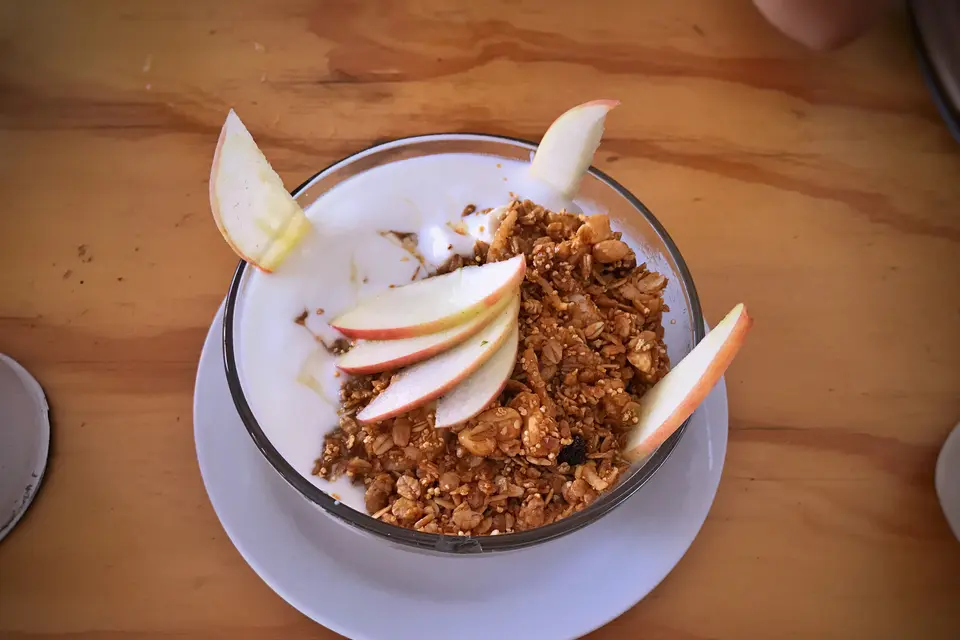
Matcha yogurt is plain yogurt stirred with matcha powder. You get the yogurt's protein and calcium plus matcha's caffeine, but we found no studies of matcha yogurt in people. Most health claims for matcha rest on lab and animal work, so treat them as unproven.
On this page
Matcha yogurt is simple: plain yogurt with matcha stirred in. It’s easy to make, and it’s easy to oversell. Here is what you actually get, and a recipe at the end.
What do you get from matcha yogurt?
From the yogurt: protein and calcium. The amounts depend on the yogurt, so here are two plain examples, worked out from USDA FoodData Central values per 100 g.
| Plain yogurt, 6 oz (170 g) | Calories | Protein | Calcium |
|---|---|---|---|
| Whole milk | About 104 | About 5.9 g | About 206 mg |
| Nonfat Greek | About 100 | About 17.3 g | About 187 mg |
Brands differ, and flavored or sweetened yogurts have other numbers, so check your label.
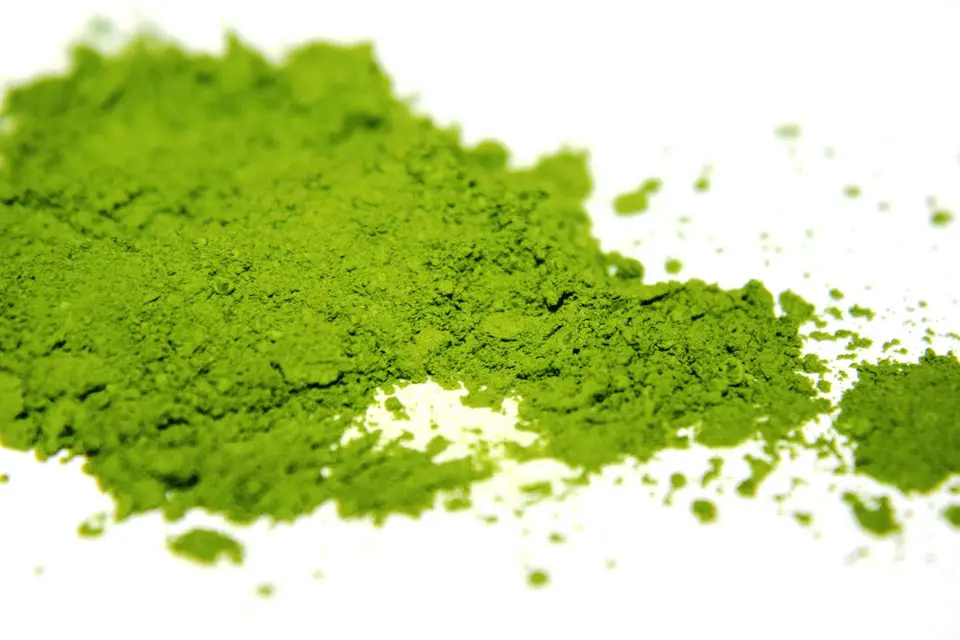
From the matcha: caffeine, plus the plant compounds in the whole leaf. Matcha is made from shaded leaves that are steamed, dried and ground into powder, so you eat the leaf rather than steep it. A 2026 review by researchers at Japan’s University of Shizuoka reported average caffeine of about 32 to 40 mg per gram of powder for three groups of matcha samples.
We assume a level teaspoon of matcha weighs roughly 2 g. That’s our rough kitchen estimate, not a sourced figure, and it varies with how fine and packed the powder is, so weigh it if you can. On that basis, half a teaspoon (about 1 g) gives roughly 32 to 40 mg of caffeine. Mayo Clinic lists 29 mg for 8 oz of brewed green tea, so that’s a little more than one cup of tea. A full teaspoon would be about two to three cups’ worth.

Are there proven benefits?
Not for matcha yogurt itself. We found no studies of people eating it. A 2026 review of matcha in foods notes that matcha shows up in yogurts and calls matcha yogurt and kefir promising ways to deliver its compounds. That’s the authors’ view, based mostly on lab studies, not a test in people. The review says much of the evidence for matcha’s benefits comes from lab and animal studies, many of them in mice, and that well-designed human studies are still limited. The National Center for Complementary and Integrative Health says that for green tea in general, definite conclusions can’t be reached for most uses.
There’s also a catch. The review says milk proteins bind to catechins, the main plant compounds in tea, which can protect them from oxidation. It also reports lower catechin levels in blood when catechins are consumed with milk proteins. Whether yogurt helps or hurts what you take in from matcha isn’t settled.
Is matcha yogurt safe?
We found no safety studies of matcha yogurt itself. The National Center for Complementary and Integrative Health reports no safety concerns for green tea as a drink in adults, though it does contain caffeine. Two things to keep in mind:
- Caffeine adds up. Mayo Clinic says up to 400 mg a day may be safe for most adults. NCCIH says caffeine should stay at moderate levels during pregnancy and suggests asking your health care provider for advice.
- You eat the whole leaf. Anything in the leaf goes with it. See matcha and lead for what tests show.
How do you make matcha yogurt?
Makes 1 serving
- 1 small container (6 oz, about 170 g) plain yogurt
- ½ teaspoon matcha (about 1 g)
- Sweetener to taste, such as maple syrup (optional)
- A splash of milk or water to thin it (optional)
- Sift the matcha through a small strainer into a bowl. This breaks up clumps.
- Add a spoonful of yogurt and stir it into a smooth paste.
- Stir in the rest of the yogurt and any sweetener.
- Taste. Add more matcha ¼ teaspoon at a time, and remember that each addition adds caffeine.
- Eat it soon after mixing. Top with fruit or granola if you like.
The green may dull as it sits. The matcha-in-foods review says acidic foods like yogurt promote the breakdown of chlorophyll into pheophytins, which hurts the color. The FDA advises keeping the fridge at 40°F or below and not leaving foods that need refrigeration out for more than 2 hours, or 1 hour above 90°F.
Want a drink instead? See how to make a Starbucks-style matcha latte. For other options, browse our matcha hub and recipes and uses. To see how matcha differs from steeped tea, read matcha vs green tea.
More on matcha
See the full matcha guideSources
- Compositional Diversity and Functional Interactions of Bioactive Compounds in Japanese Green Tea: Focus on Matcha, Sencha, and Gyokuro, Molecules
- Beyond Composition: Processing-Driven Transformations and Functional Trade-Offs of Matcha Tea in Foods, Foods
- Yogurt, plain, whole milk (FDC ID 171284), USDA FoodData Central
- Yogurt, Greek, plain, nonfat (Includes foods for USDA's Food Distribution Program) (FDC ID 170894), USDA FoodData Central
- Caffeine content for coffee, tea, soda and more, Mayo Clinic
- Green Tea, National Center for Complementary and Integrative Health
- Are You Storing Food Safely?, U.S. Food and Drug Administration