Is Green Tea Good for Plants?
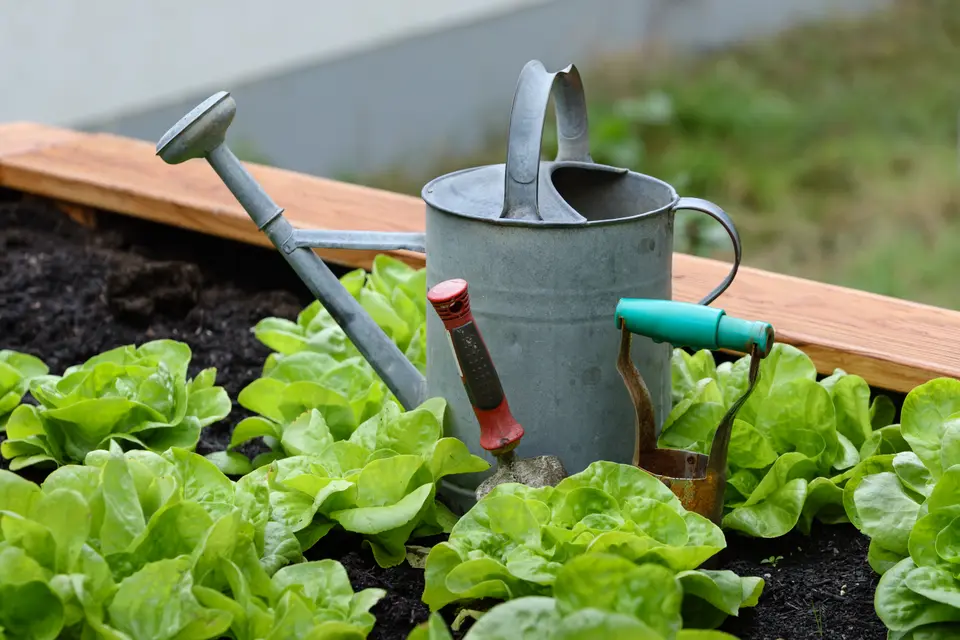
Used green tea leaves are fine to add to compost or garden soil, and loose leaves are best because many tea bags contain a little plastic. The evidence that tea feeds plants is thin. The only controlled test we found, a single high school student experiment on 20 basil plants, saw no difference from adding nothing. We found no study of watering plants with brewed tea.
On this page
People pour cold tea on houseplants and bury used tea leaves in the garden because it feels thrifty and natural. Some of that is reasonable. Some of it has little proof behind it. Here’s where the line falls.
Can you put used green tea in the garden?
Yes. Garden Organic, an organic gardening group in the UK, calls tea leaves a good addition to the compost heap. New Mexico State University Extension answers a reader’s question the same way: tea leaves can go into the garden or the compost pile, where they add organic matter that helps soil hold moisture and nutrients.
The same NMSU answer says that, in most of New Mexico, you won’t make the soil too acidic with coffee grounds and tea leaves. It also says caffeine is unlikely to harm your plants. That’s a 2009 reply written for New Mexico gardens, and it gives a reasoned opinion, not a test result. Your soil may differ.
What about the tea bags?
Check the bag. Garden Organic says most tea bags include a very small amount of plastic. Many brands, even organic ones, use polypropylene to seal the bag, and it doesn’t break down in a home compost heap. Its advice, in order:
- Use loose-leaf tea, or bags with no plastic.
- Empty the bags onto the compost and put the bags in the trash.
- Compost the whole bag only as a one-off.
NMSU says paper bags are fine in the garden but polyester ones are not. If you’re thinking of switching, see how to make green tea without tea bags.

Does green tea feed plants?
This is the claim with the weakest support. The only controlled test we found is a single experiment run by high school students and published in the Journal of Emerging Investigators. The students mixed dried, used green tea leaves, dried coffee grounds, synthetic fertilizer or nothing into the soil of 20 basil plants in total. There was no significant difference between adding tea leaves and adding nothing. Coffee grounds made the basil grow significantly less, in height and fresh weight, than adding nothing.
That’s one student project, one kind of plant and 20 plants in total, so it can’t settle the question. But it’s the best direct evidence we found, and it doesn’t show that tea leaves feed plants. Researchers are looking at tea waste for compost and other uses, such as biochar, according to a 2025 review. That work doesn’t show that tea helps a houseplant.
What about watering plants with cold green tea?
We found no controlled study of watering plants with brewed tea, green or otherwise. So we can’t point to evidence that it helps, or to evidence for bigger claims, like feeding acid-loving plants or keeping pests away. If you want to try it, treat it as an experiment on one plant and watch how it does.
What’s the best use for leftover tea?
The compost heap. Both gardening sources above say tea leaves belong there, and NMSU says they add organic matter to the soil. Stale or expired tea can go there too, and our guide to how long green tea lasts explains how to tell when tea has gone stale. For more ways to use green tea around the house, see our recipes and uses hub.
More on recipes & other uses
See the full recipes & other uses guideSources
- Are you composting your tea bags?, Garden Organic
- Coffee grounds and tea leaves are good for New Mexico gardens, New Mexico State University, Southwest Yard & Garden
- The efficacy of spent green tea leaves and coffee grounds on the growth of Ocimum basilicum, Journal of Emerging Investigators
- Resource utilization of tea waste in biochar and other areas: Current status, challenges and future prospects, Journal of Environmental Management