How to Make Green Tea Without Tea Bags
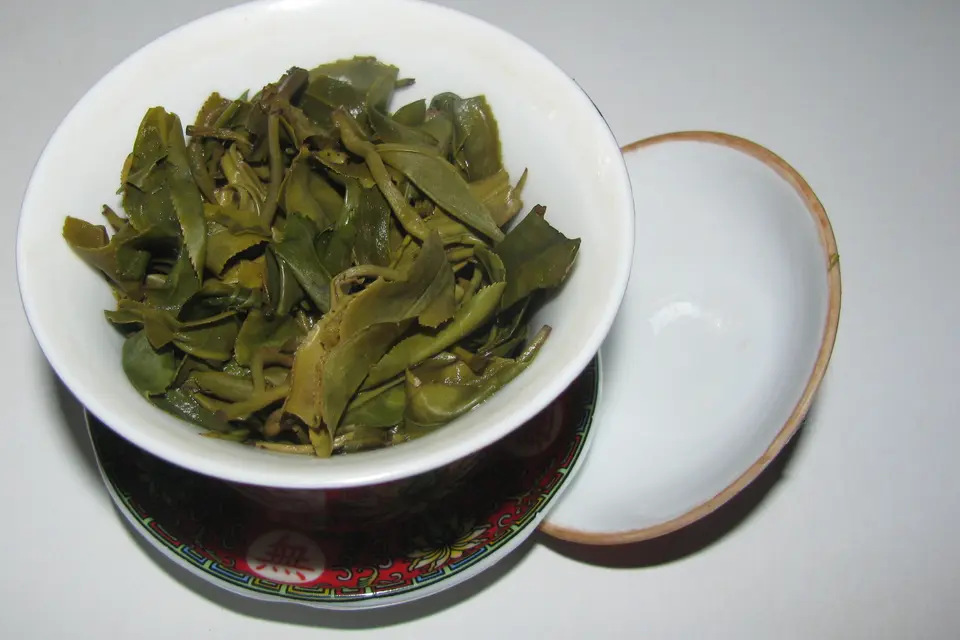
Use loose-leaf green tea or matcha powder instead of bags. For one cup, put 1 teaspoon of loose tea in a strainer, pour over water at 170°F to 180°F, and steep for 1 to 3 minutes. No kettle handy? Cold brew the leaves in a jar in the fridge.
On this page
A tea bag is tea held in a filter. Without one, you only need a way to keep the leaves out of your cup. Here are four ways to do it, plus a note on what you can’t skip.
What do you need?
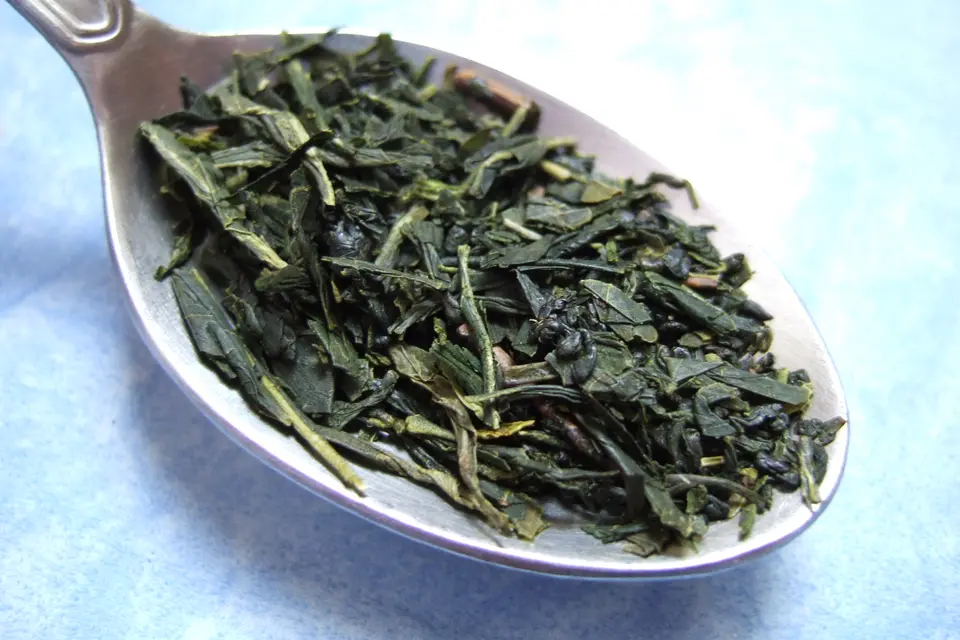
You need loose-leaf green tea (or matcha) and something to strain it. A fine-mesh strainer, an infuser basket, a teapot with a built-in strainer or a plain sieve all work. A thermometer helps but isn’t required.

How do you make green tea with loose leaves?
- Heat the water. Salada, a tea seller, gives 170°F to 180°F for green tea and says boiling water can make it bitter. No thermometer? Boil the water, then let it sit for a few minutes.
- Measure the leaves. Twinings says to use 1 teaspoon of loose tea per cup (6 oz), and 1 to 2 teaspoons when you use a strainer in your cup. Put the leaves in a strainer set over your mug.
- Pour and steep. Pour the water over the leaves. Salada suggests 1 to 3 minutes for green tea, and Twinings lists 2 minutes.
- Lift out the strainer and taste. If it’s bitter, use cooler water or steep for less time next round.
These are starting points, and the two brands give slightly different numbers. Adjust the amount and time to your taste.
What other ways work?
In a teapot
Twinings suggests 1 to 2 teaspoons of loose tea per 8 oz of water in a teapot. When the time is up, pour all the tea out through a strainer, or lift out the pot’s infuser, so the leaves stop steeping.
Cold brew in a jar
Put the leaves in a jar of cold water and refrigerate. Iowa State Extension says tea can be brewed safely in the refrigerator for 6 hours to overnight, and Salada gives 8 to 12 hours for cold brew. Strain it when it’s ready. We don’t have a sourced cold brew ratio, so start with the same amount of leaf as above and adjust. Iowa State’s advice to drink refrigerated tea within three days applies here too. We cover the limits in how long green tea lasts.
Matcha, with nothing to strain
Matcha is the exception, because you drink the leaf. It’s made from shaded leaves that are steamed, dried and ground into a fine powder, then traditionally whisked with hot water, at about 70°C (158°F) in the Japanese tea ceremony, according to a 2026 review. There’s no filter at all. Read how matcha differs from green tea or browse our matcha hub.

Can you make green tea without tea leaves?
No. Green tea is made from the leaves of the Camellia sinensis plant, which are steamed or pan fried and then dried, according to the National Center for Complementary and Integrative Health. A fresh leaf from the plant isn’t the same product, and we found no tested home method, so we won’t invent one.
Drinks made from other plants, such as chamomile or rooibos, are herbal infusions and not, strictly speaking, tea, as a Cornell study points out. We cover that in is green tea an herbal tea.
For more on timing and temperature, see how to brew green tea. Making a big batch with bags instead? Our gallon guide shows how many you need.
More on brewing & storage
See the full brewing & storage guideSources
- How to Brew the Perfect Cup of Tea, Twinings North America
- Brew Tea Temperature and Steeping Guide, Salada Tea
- Iced Tea Safety, Iowa State University Extension and Outreach
- Green Tea, National Center for Complementary and Integrative Health
- Compositional Diversity and Functional Interactions of Bioactive Compounds in Japanese Green Tea: Focus on Matcha, Sencha, and Gyokuro, Molecules
- Beyond Composition: Processing-Driven Transformations and Functional Trade-Offs of Matcha Tea in Foods, Foods
- The Influence of Water Composition on Flavor and Nutrient Extraction in Green and Black Tea, Nutrients