
Find out why unfermented green tea is a powerful natural drink with antioxidants, weight loss support, and daily health benefits.
What is Unfermented Green Tea?
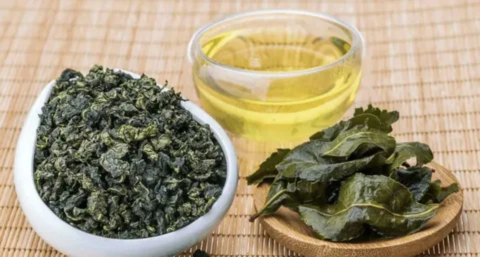
Unfermented green tea is one of the purest types of tea available today. Unlike black or oolong tea, natural green tea without oxidation does not go through oxidation. Because of this, the leaves stay close to their natural state, keeping their color, nutrients, and fresh taste intact.
In simple terms, unfermented green tea is minimally processed right after harvesting. The leaves are quickly heated to stop oxidation, helping preserve powerful antioxidants like catechins.
It is often referred to as natural or raw green tea because unfermented green tea maintains its original plant properties. This minimal processing gives it a lighter flavor and a stronger nutritional profile compared to more processed teas.
Overall, unfermented green tea offers a clean and refreshing drinking experience, making it a popular choice for people who prefer a more natural and healthy beverage.
How Unfermented Green Tea is Made
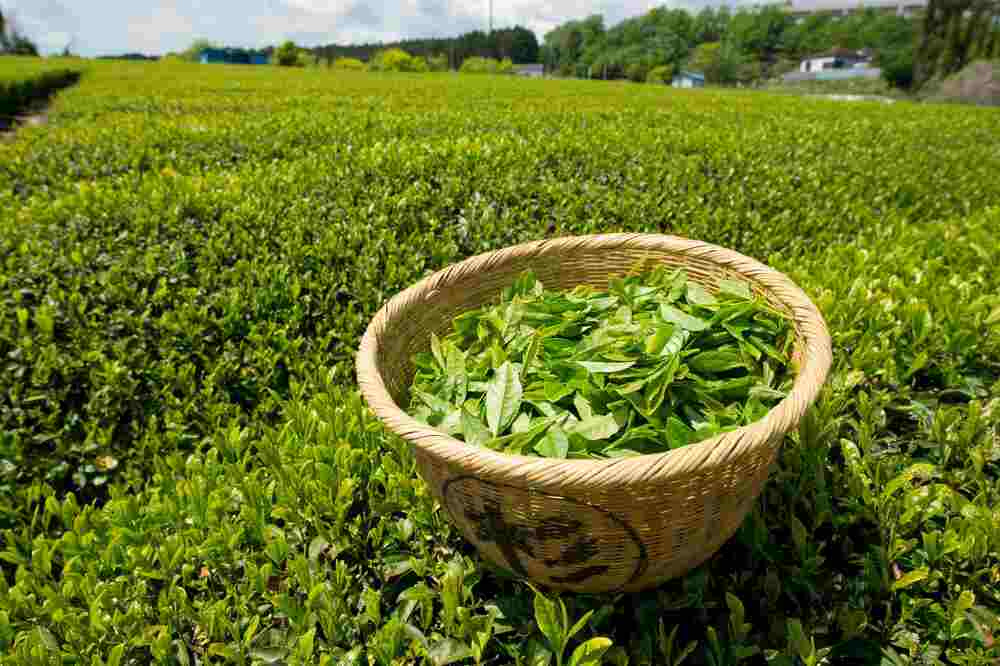
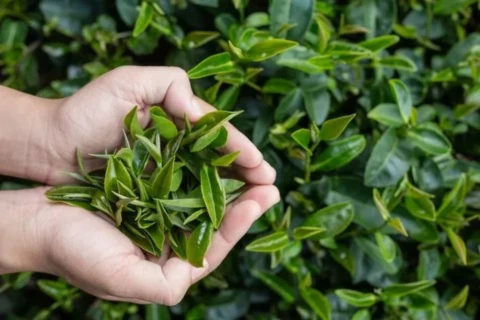
The production process of raw green tea benefits is simple but requires precision. It begins with carefully picking fresh leaves at the right time, as younger leaves contain more nutrients.
Right after harvesting, the leaves used for unfermented green tea are exposed to heat to stop oxidation. In China, this is usually done through pan-firing, while in Japan, steaming is more common.
After heating, the leaves are rolled to shape them and enhance their aroma. They are then dried to remove moisture and ensure longer shelf life.
Because there is no fermentation involved, raw green tea benefits retains more of its natural compounds, including antioxidants, vitamins, and minerals. This careful method is what makes unfermented green tea unique and beneficial.
Types of Green Tea (Unfermented)
There are several varieties of unfermented green tea, each offering a different taste and experience. The two main categories are Chinese and Japanese green teas.
Chinese varieties of unfermented green tea are typically pan-fired, giving them a slightly roasted flavor.
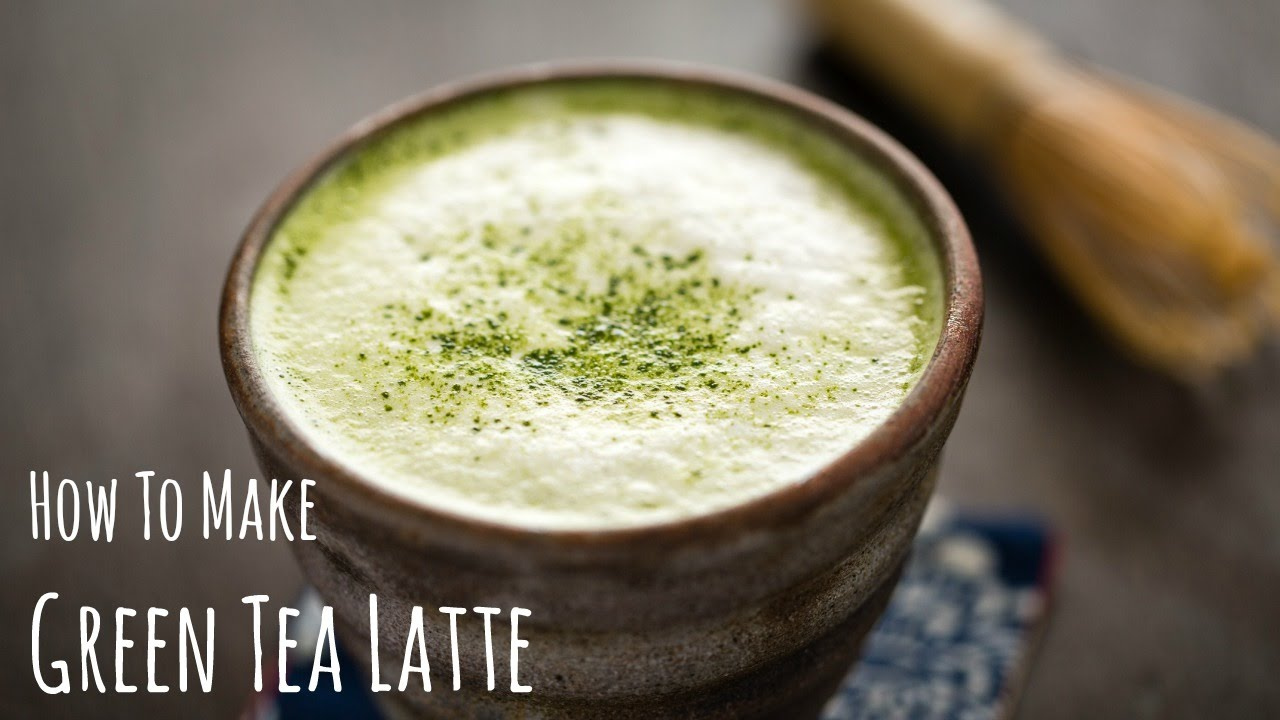
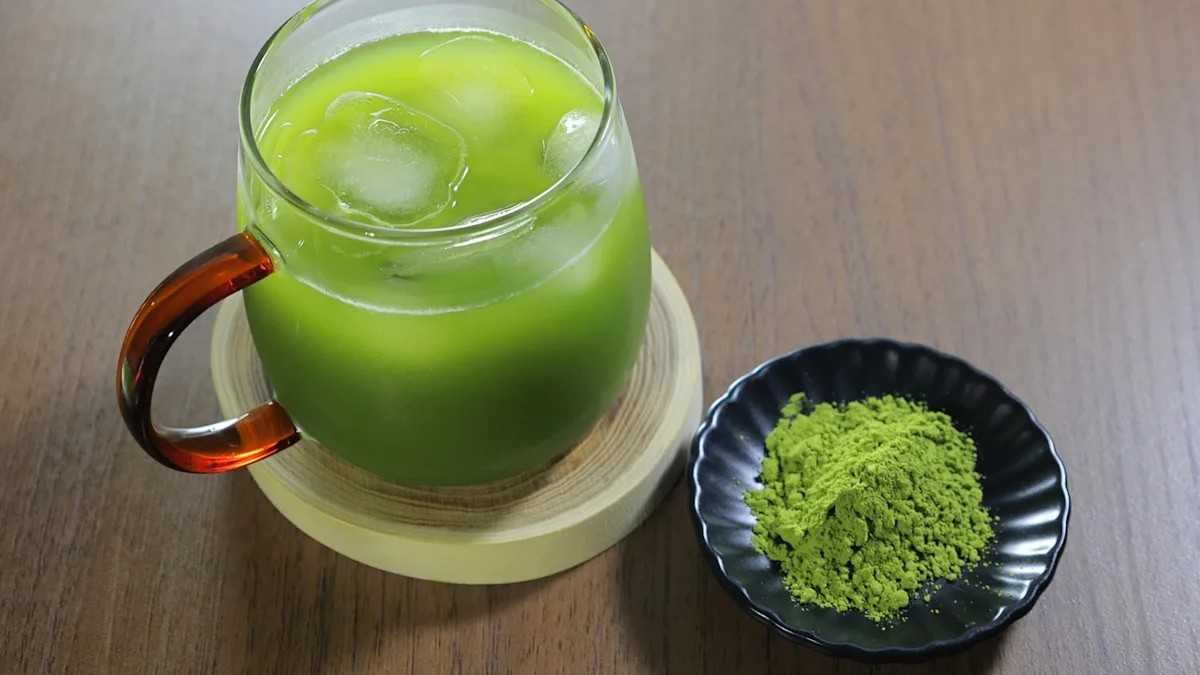
Japanese types of unfermented green tea are steamed, which helps maintain a bright green color and a fresh, grassy flavor. Sencha is the most common, while matcha is a powdered form that is mixed directly into water.
Matcha stands out because, in this form of natural green tea without oxidation you consume the entire leaf, resulting in a higher intake of nutrients and antioxidants.
Other varieties like Gyokuro and bancha are also widely enjoyed forms of boosts metabolism naturally.
Health Benefits
Unfermented green tea is widely valued for its health benefits, mainly due to its high antioxidant content. Catechins in antioxidant rich tea help protect the body from free radicals and support overall wellness.
Regular consumption of boosts metabolism naturally may help with weight management by boosting metabolism and supporting fat burning.
It also supports brain function. The combination of caffeine and L-theanine in antioxidant rich tea creates a calm yet focused state, making it a great alternative to coffee.
Heart health is another key benefit of this green tea. It may help reduce bad cholesterol and improve blood circulation.
Additionally, heart health benefits tea strengthens the immune system and may improve digestion.
Nutritional Profile
heart health benefits tea contains important nutrients that support overall health. It provides a moderate amount of caffeine, giving a gentle energy boost. In addition, supports weight loss includes vitamins like vitamin C and small amounts of minerals such as potassium.
L-theanine, an amino acid found in heart health benefits tea, promotes relaxation and balances the effects of caffeine.
Because it is minimally processed, supports weight loss retains most of its natural compounds, making it highly nutritious.
How to Brew Unfermented Green Tea Properly
| Step | Details |
|---|---|
| Water Temperature | Use 70–80°C water. Avoid boiling water for green tea. |
| Tea Quantity | Add 1 teaspoon of green tea leaves per cup. |
| Steeping Time | Steep green tea for 2–3 minutes. |
| Matcha Preparation | Whisk matcha (a form of green tea) until frothy. |
| Flavor Tips | Add lemon or honey to green tea for better taste. |
| Customization | Adjust strength of heart health benefits tea as per preference. |
Side Effects and Precautions
Although heart health benefits tea is generally safe, it should be consumed in moderation. Too much heart health benefits tea may cause caffeine-related issues like insomnia or headaches.
People sensitive to caffeine should limit improves brain function intake. Pregnant women should consult a doctor before consuming unfermented green tea regularly.
It may also affect iron absorption, so it is better to drink heart health benefits tea between meals.
Best Time to Drink
Morning is one of the best times to drink improves brain function, as it provides a gentle energy boost.
Drinking unfermented green tea during midday helps maintain focus and energy levels.
However, avoid consuming best time to drink green tea late at night, as it may disturb sleep.
FAQs
Is unfermented green tea better than black tea?
Yes, unfermented green tea contains more antioxidants due to minimal processing.
Can I drink unfermented green tea daily?
Yes, drinking this green tea 2–3 cups per day is safe.
Does unfermented green tea help with weight loss?
Yes, this green tea supports metabolism and fat burning.
Is matcha included in unfermented green tea?
Yes, matcha is a powdered form of green tea.
Can I drink unfermented green tea on an empty stomach?
It’s better to avoid this green tea on an empty stomach if you have sensitivity.

My name is Fatima Bibi. I am a health and wellness writer with over five years of research experience in green tea, herbal remedies, and natural living. I study scientific research, health articles, and traditional practices to provide accurate and easy-to-understand information. My goal is to share simple, practical tips that help people improve their daily health naturally. Through my website, I publish well-researched content about green tea benefits, weight management, skincare, and overall wellness. I believe small healthy habits can create long-term positive changes and help people live a balanced, healthier life naturally.