Discover how green tea for hangover can naturally soothe nausea, boost hydration, and restore energy. Simple, effective tips for quick recovery.
Introduction
The morning after a night out is usually accompanied by a familiar set of problems: headache, nausea, dry mouth, and that heavy, lethargic feeling where even the most menial tasks are hard to get through. Instead of painkillers and sweet energy drinks, many people look for gentler, more natural ways to feel better. One option that often gets overlooked is green tea.
Using green tea for hangover relief makes sense once you factor in the ingredients within. This mild potion hydrates and delivers active compounds such as catechins and L-theanine, well-recognized for their antioxidant and tranquilizing effects. These nutrients ease some of the alcohol stressors on the liver, thus helping your body recover more smoothly.
In the following sections, we will be discussing how green tea works, what research has to say about it, and how you can use it effectively and safely when trying to recover after a night of drinking.
How Hangovers Work: The Science Behind It
A hangover isn’t just about feelings of exhaustion; it’s actually the body’s response to alcohol toxic breakdown products. When you drink, ethanol metabolizes in the liver into a compound called acetaldehyde, which provokes inflammation, oxidative stress, and stomach irritation. This sets off classic hangover symptoms such as headaches, nausea, and general exhaustion
Alcohol is also a diuretic, forcing fluids and electrolytes out and increasing dehydration, therefore accentuating symptoms such as headaches and weakness. What’s worse, it disrupts the sleep-wake cycle, and since normal sleep patterns are interfered with, you still wake up tired even after several hours of sleep.
Antioxidants become critical for recovery in alcohol metabolism as free radicals build up. They reduce oxidative stress and hence support liver function, one of the vital reasons why natural remedies like green tea can make the recovery smoother.
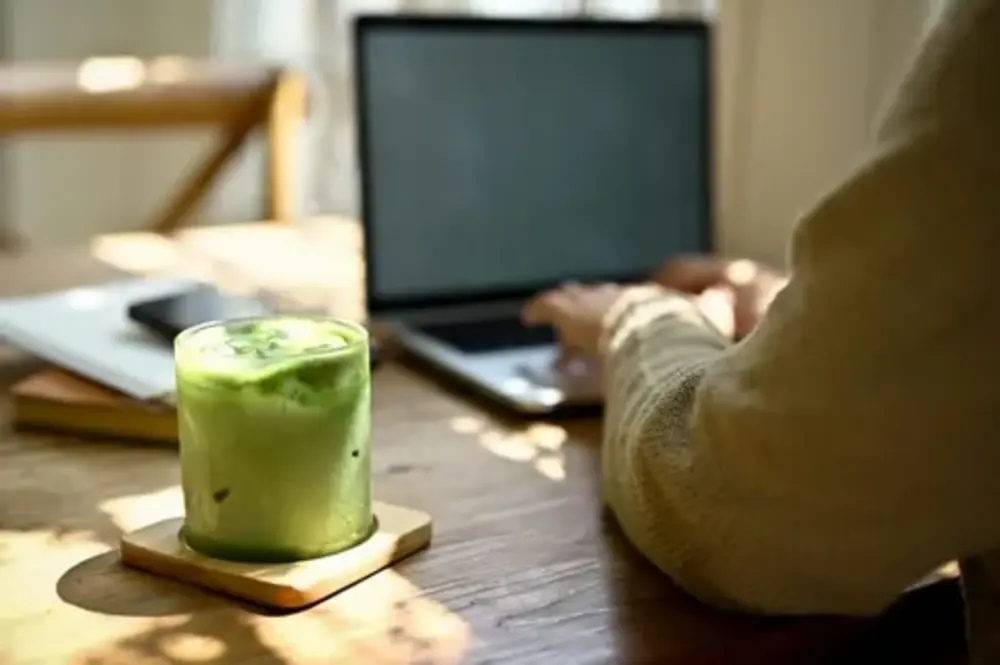
Why Green Tea Helps as a Hangover Remedy
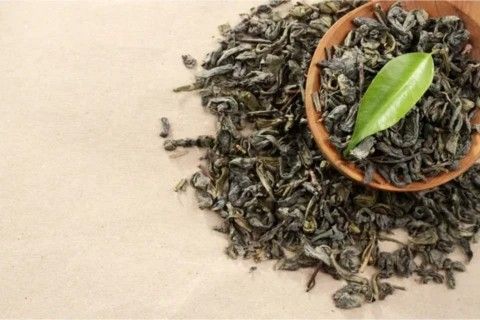
Green tea is often touted as a natural hangover remedy, and with good reason: It contains catechins, specifically EGCG, powerful antioxidants that counteract the oxidative stress generated when the body processes alcohol. These compounds support faster and smoother recovery by preventing free-radical accumulation and protecting the liver cells.
Green tea also offers a nice dosage of L-theanine, an amino acid renowned for making one feel calm and clear-headed. Paired with the tea’s gentle caffeine, this has the effect of lifting grogginess without bringing on jitters or adding to dehydration, as coffee sometimes does.
This is further thought to be because some antioxidants found in green tea may support liver enzymes that process alcohol and thereby help the body clear acetaldehyde (the toxin responsible for many hangover symptoms) more efficiently.
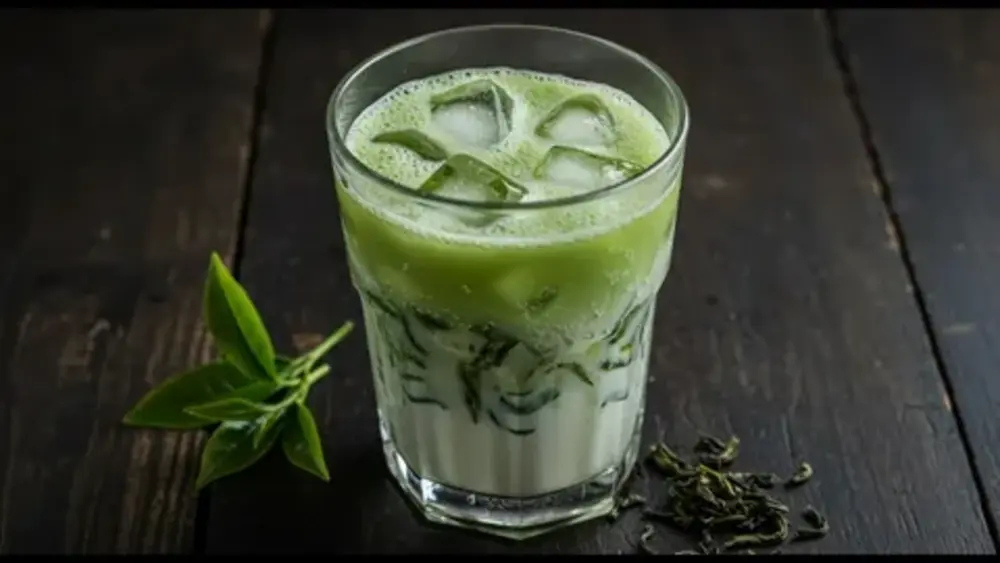
Although not a cure in itself, the inclusion of green tea for hangover relief into one’s routine provides hydration, antioxidant support, and mild energy-all of which can make the process of recovery noticeably smoother.
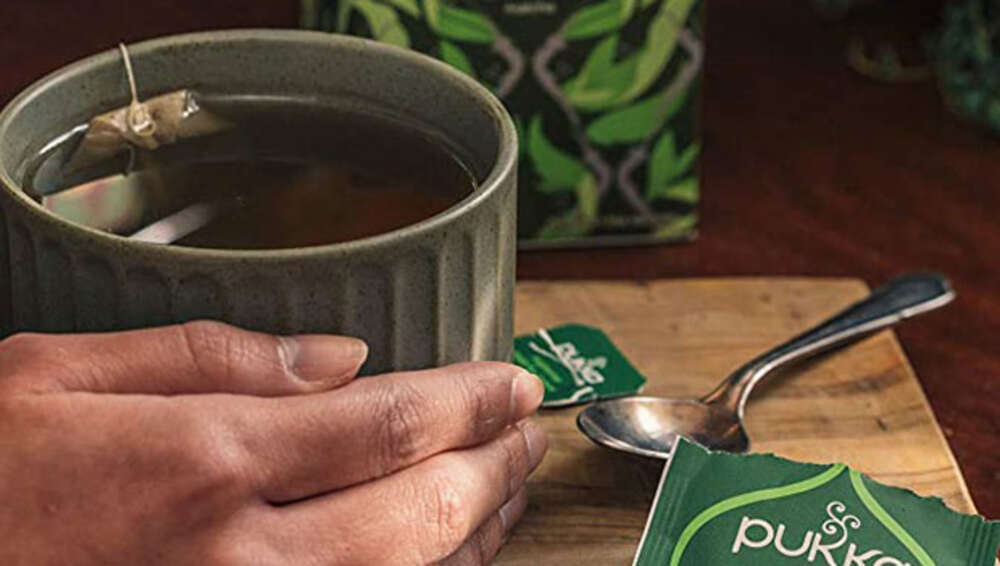
Scientific Studies & Evidence Supporting Green Tea for Hangover Relief
Scientific evidence increasingly supports what traditional wellness practices have long known: green tea for hangover relief may indeed provide real advantages. Much of this is due to the potent antioxidant action it possesses. Studies in animals indicate that green tea catechins lower liver cell damage as a result of alcohol by neutralizing free radicals and lessening oxidative stress. Laboratory studies emphasize the capability of EGCG to improve the levels of antioxidant enzymes, which may ensure the body clears acetaldehyde-the toxic breakdown product responsible for most of the hangover signs-faster.
Human studies are still scant but promising. Those who consume green tea regularly often have lower markers of liver inflammation and overall improved antioxidant status. It’s also important to distinguish brewed green tea from high-dose extracts, which may cause side effects.
In general, green tea seems to promote recovery through the alleviation of oxidative stress, support for the liver, and mild anti-inflammatory effects.
How to Use Green Tea for Hangover Relief
| Step / Tip | Why It Helps | How to Do It |
|---|---|---|
| Use quality green tea | Better flavor & higher antioxidant content | Choose loose leaf or reputable tea bags |
| Proper water temperature | Protects catechins; avoids bitterness | 175–185°F (80–85°C) |
| Correct steeping time | Ensures optimal antioxidant release | Steep for 2–3 minutes |
| Drink 1–2 cups | Provides mild energy & antioxidants | Best consumed in the morning |
| Hydrate alongside tea | Replenishes fluids lost to alcohol | Pair with water or electrolytes |
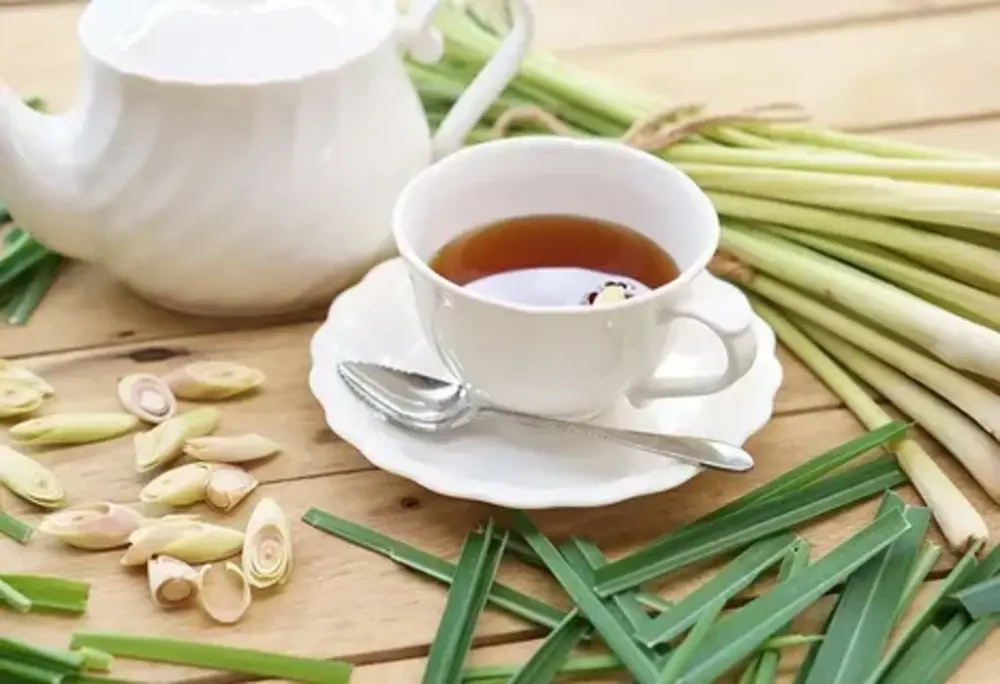
| Add lemon or honey | Supports detox & soothes nausea | Add 1 lemon slice or 1 tsp honey |
| Avoid overconsumption | Prevents caffeine jitters or stomach irritation | Limit to 2–3 cups daily |
| Combine with rest & meals | Enhances overall recovery | Light meals + sleep + hydration |
Risks & Precautions When Using Green Tea for Hangover
Green tea is generally safe to take for hangover recovery but should be used judiciously. The mild caffeine in it increases energy, but having too much may result in jitters, dehydration, or disturbed sleep. If you’re sensitive to caffeine, start off with one cup and see how your body reacts to it.
Avoid high-dose green tea extracts because they have a greater potential for liver irritation. Brewed tea is a much safer choice. Green tea can also interact with medications such as blood thinners, beta-blockers, or stimulants, and any person on prescription drugs should consult a health care provider before using them.
People with certain conditions like low levels of iron, liver issues, or pregnancy should show caution because tannins may interfere with iron absorption, and caffeine might impose risks.
Green tea for hangover works best in moderation, taken with hydration, rest, and balanced meals.
Green Tea vs Other Hangover Remedies
Among the remedies for hangovers, green tea stands out because it offers a combination of antioxidants, L-theanine, and mild caffeine. While water is important for rehydration, green tea is in a class of its own because of its support on two other fronts: reducing oxidative stress and supporting the liver while it’s processing alcohol. Electrolyte drinks replenish lost minerals but don’t have anti-inflammatory or antioxidant properties.
Herbal teas like ginger or chamomile do offer some stomach soothing and can help reduce nausea, but they will lack the catechins and EGCG that are so important in green tea for minimizing alcoholic cellular stress. The caffeine boost may be greater from coffee, but this generally exacerbates dehydration and tends to irritate the stomach, making green tea a much more gentle option.
Overall, green tea brings hydration, antioxidants, and mild energy together—making it a well-rounded option for natural recovery, though no remedy completely eliminates a hangover.

FAQ:
- Does green tea cure hangovers?
No, green tea doesn’t completely cure a hangover, but it can make recovery easier. It helps reduce the oxidative stress, aids in the processing of alcohol by the liver, and provides light hydration with energy-things that ease headaches, fatigue, and nausea.
- Can I drink a lot of green tea when hungover?
It’s best, in this case, to stick to moderation. One or two cups are normally effective for hangover relief; too much may result in caffeine jitters or an upset stomach. Any concentrated green tea extracts should be avoided, as they are tougher on the body. 3. Which is better for hangover: green tea or coffee? In many cases, yes. Green tea gives a gentle energy boost without the dehydration or stomach irritation that coffee can cause. 4. Can green tea damage my liver? Brewed green tea, in usual quantities, is not harmful to the majority of people. Generally speaking, problems are associated with high-dose supplements or extracts, not normal tea. Conclusion Green tea for hangover is a mild, natural remedy that may help alleviate some of the common symptoms after alcohol consumption. The antioxidants in it—mainly EGCG—combined with L-theanine and light caffeine, act synergically in liver detoxification, reduction of oxidative stress, and light hydration. It will not cure the hangover but noticeably lessen headache, fatigue, and nausea. It pays to prepare it correctly, consume it in moderation, and balance it with ample water, rest, and proper nutrition. If you are caffeine-sensitive or have certain medical conditions, avoid concentrated extracts. All in all, green tea provides an easy and accessible method to help your body recover and make you feel better sooner.

My name is Fatima Bibi. I am a health and wellness writer with over five years of research experience in green tea, herbal remedies, and natural living. I study scientific research, health articles, and traditional practices to provide accurate and easy-to-understand information. My goal is to share simple, practical tips that help people improve their daily health naturally. Through my website, I publish well-researched content about green tea benefits, weight management, skincare, and overall wellness. I believe small healthy habits can create long-term positive changes and help people live a balanced, healthier life naturally.