
Worried about lead in matcha? Find out what science says, safe daily limits, and how to pick the purest, tested Japanese matcha.
Introduction
Matcha green tea has captured global attention for its vibrant green color, smooth earthy flavor, and wide range of health benefits from boosting metabolism to enhancing focus. But as matcha’s popularity rises, so do concerns about lead contamination.
Unlike regular green tea, where you steep and discard the leaves, matcha is made by whisking the whole powdered leaf into water. This means you’re consuming everything including any trace elements absorbed from the soil, such as lead.
What Is Matcha Green Tea?
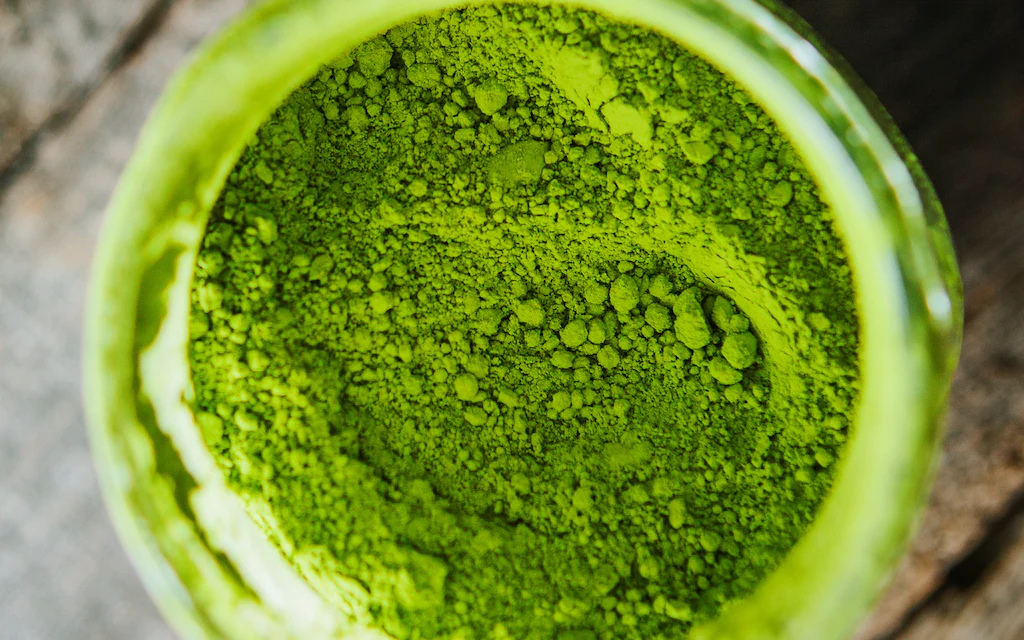
Matcha green tea is a finely ground powder made from specially grown leaves of the Camellia sinensis plant the same plant used for regular green and black teas. What makes matcha unique is its cultivation process. The leaves are shaded before harvest to boost chlorophyll and amino acids like L-theanine, giving matcha its vibrant green color and smooth flavor.
Unlike regular tea, where only the infusion is consumed, matcha involves drinking the entire powdered leaf. This makes it richer in nutrients and antioxidants like EGCG but also means any environmental contaminants, such as lead, are ingested too.
Why Lead Contamination in Matcha Is a Concern
One of the main concerns about matcha green tea is its potential to contain traces of lead. Tea plants naturally absorb minerals and sometimes heavy metals — from the soil and air. If the soil is even slightly contaminated, those elements can end up in the leaves. Since matcha is made by whisking the entire powdered leaf into your drink, any lead present isn’t filtered out like it is with regular steeped tea.
Scientific Research on Matcha Green Tea and Lead Levels
| Source / Study | Key Findings | Lead Transfer / Levels | Notes / Region |
|---|---|---|---|
| Environmental Pollution (2014) | Tea plants can absorb lead from soil and air. | Only 10–20% of lead transfers into brewed tea; matcha may contain slightly more since the whole leaf is consumed. | General global data on tea; applies to both green and black teas. |
| ConsumerLab Research | Tested matcha from various origins. | Minimal to undetectable lead in high-quality Japanese matcha. | Clean regions include Uji, Nishio, and Shizuoka. |
| Journal of Toxicology | Analyzed heavy metal content in different matcha samples. | Confirmed low or negligible lead levels in Japanese matcha. | Reinforces the safety of teas from Japan’s clean-growing regions. |
| Low-grade teas from polluted areas | May have higher trace metals. | Above recommended limits in some samples. | Often found in non-Japanese or industrial regions. |
| FDA & WHO Guidelines | Set maximum safe levels for lead exposure. | Most Japanese matcha falls far below safety limits. | Trusted, lab-tested brands ensure safe consumption. |
How to Choose Safe Matcha Lead Free & Lab Tested Options
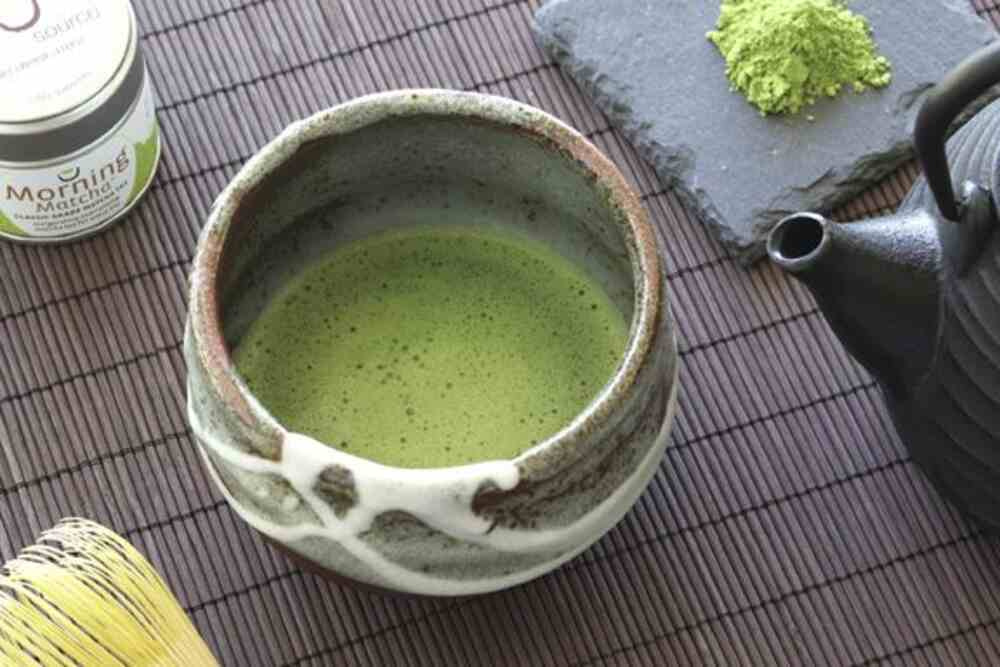
If you love matcha but worry about lead contamination, the good news is you can easily reduce the risk by choosing the right brand. Not all matcha is created equal, and small details like where it’s grown or how it’s tested can make a big difference in safety and quality. Here’s how to pick matcha you can trust:
1. Choose Japanese-Grown Matcha
When it comes to purity, Japanese matcha is your best bet. Regions like Uji, Shizuoka, and Nishio are known for their clean soil and strict farming regulations. Matcha from these areas typically contains lower lead levels and delivers that smooth, vibrant flavor Japan is famous for.
2. Look for Third-Party Lab Testing
Trusted brands don’t just claim their matcha is safe they prove it. Always check if the brand provides independent lab test results, preferably from well-known labs such as Eurofins or ConsumerLab. These reports confirm the matcha is free from heavy metals and other contaminants.
3. Go Organic, But Double-Check
Organic certification (like USDA Organic or JAS) means fewer pesticides, but it doesn’t automatically guarantee a lead-free product.
4. Avoid Cheap, Unverified Matcha
It might be tempting to grab the cheapest matcha online, but low prices often come at a cost. Some inexpensive brands skip quality checks or use older tea leaves, which naturally absorb more lead from the soil. Investing in a reputable brand ensures both safety and flavor.
How Much Matcha Is Safe Per Day Managing Lead Exposure
| Category | Details |
|---|---|
| Recommended Daily Intake | 1–2 servings per day (about 1–2 grams of matcha powder) |
| Safety Level | Within limits set by WHO and FDA for lead exposure |
| Average Lead Content | Less than 0.1 microgram per serving in high-quality Japanese matcha |
| Best Matcha Sources | Japanese brands from Uji, Nishio, or Shizuoka with lab verification |
| Why Moderation Matters | Even natural products may contain trace minerals — balance prevents buildup |
| Comparison with Everyday Foods | Foods like spinach, carrots, and tap water also contain trace amounts of lead |
| Who Should Limit Intake | Pregnant women, nursing mothers, and children should consume less frequently |
| Safety Tip | Choose lab-tested, certified Japanese matcha for the cleanest and safest option |
FAQs
1. Does matcha contain lead?
Yes — but only in tiny trace amounts. High-quality, Japanese-grown matcha usually contains lead levels that are well below safety limits set by the FDA and WHO. If you choose lab-tested brands, there’s no need to worry about contamination.
2. Is organic matcha completely lead-free?
Not necessarily. The term “organic” means the tea was grown without pesticides, but it doesn’t guarantee it’s free from metals like lead. To be sure your matcha is truly clean, look for brands that share independent lab test results confirming their product’s purity.
3. Can I drink matcha every day?
Yes, you can! Having 1–2 servings of matcha daily is considered safe for most healthy adults — as long as it comes from a reliable, lab-tested source. If you drink a lot of other teas, though, it’s a good idea to balance your total intake..
Conclusion
Concerns about lead in matcha green tea are understandable — but in reality, they’re often overstated. Research shows that high-quality, lab-tested Japanese matcha contains lead levels far below the safety limits set by health authorities. The secret to safe enjoyment comes down to moderation and mindful sourcing.

My name is Fatima Bibi. I am a health and wellness writer with over five years of research experience in green tea, herbal remedies, and natural living. I study scientific research, health articles, and traditional practices to provide accurate and easy-to-understand information. My goal is to share simple, practical tips that help people improve their daily health naturally. Through my website, I publish well-researched content about green tea benefits, weight management, skincare, and overall wellness. I believe small healthy habits can create long-term positive changes and help people live a balanced, healthier life naturally.