“Explore Mao Feng green tea: top 7 picks, expert brewing tips, and health benefits for a flavorful and refreshing daily tea ritual.”
Introduction
If you love green tea and have explored the basics, you’re ready for something more refined — enter mao feng green tea, a classic Chinese green tea celebrated for its elegant flavor and refreshing character. This tea is prized by tea drinkers around the world for its delicate floral notes, smooth mouthfeel, and subtle sweetness. What sets mao feng green tea apart is not just its taste but the craftsmanship behind the leaves — only the youngest buds and tender leaves are picked early in the season to create a tea that’s fresh, nuanced, and aromatic. In this article, you’ll learn what makes mao feng green tea unique, how to brew it perfectly, and why it deserves a place in your daily tea ritual.
What is Mao Feng Green Tea?
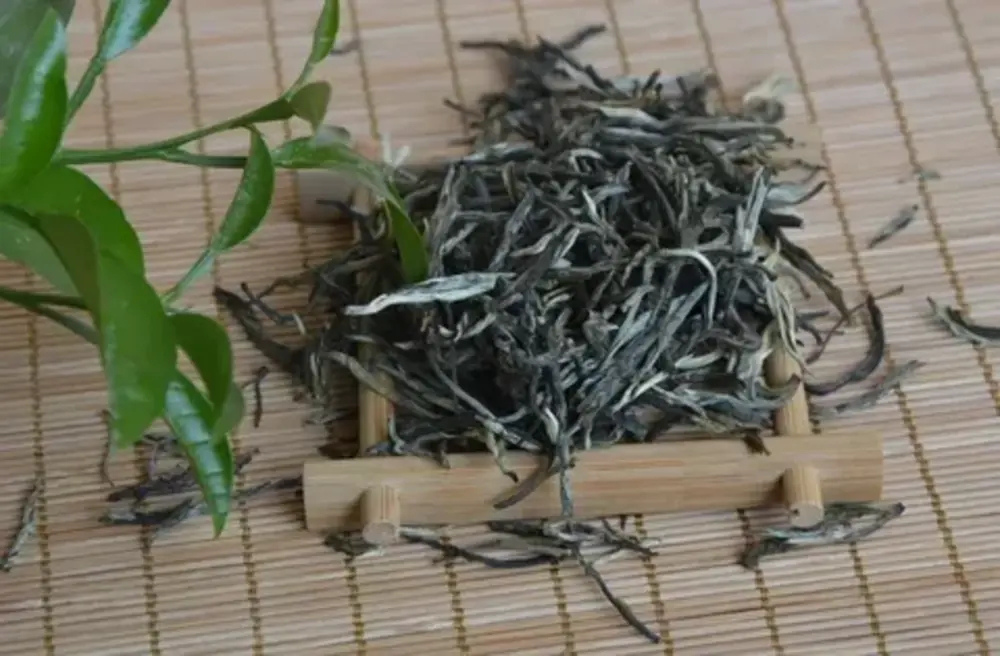
Mao feng green tea is a traditional Chinese green tea named for its appearance — “mao” meaning hair and “feng” meaning peak — referring to the fine downy hairs and the peak‑like shape of the processed leaves. This name highlights the tea’s visual charm and careful processing. Unlike some other teas that are pan‑fried during production, mao feng green teas typically focus on preserving the delicate character of young tea shoots.
One of the most famous versions is Huangshan Mao Feng, originating from the Yellow Mountain region in Anhui, China. This tea is known for its slender, slightly twisted leaves covered with silvery fuzz and a pale green‑gold liquor that brews into floral and vegetal notes. Some mao feng teas from different regions, like Yunnan or Mengding, vary slightly in style, but all retain the hallmark of tender buds and light, refreshing flavor.
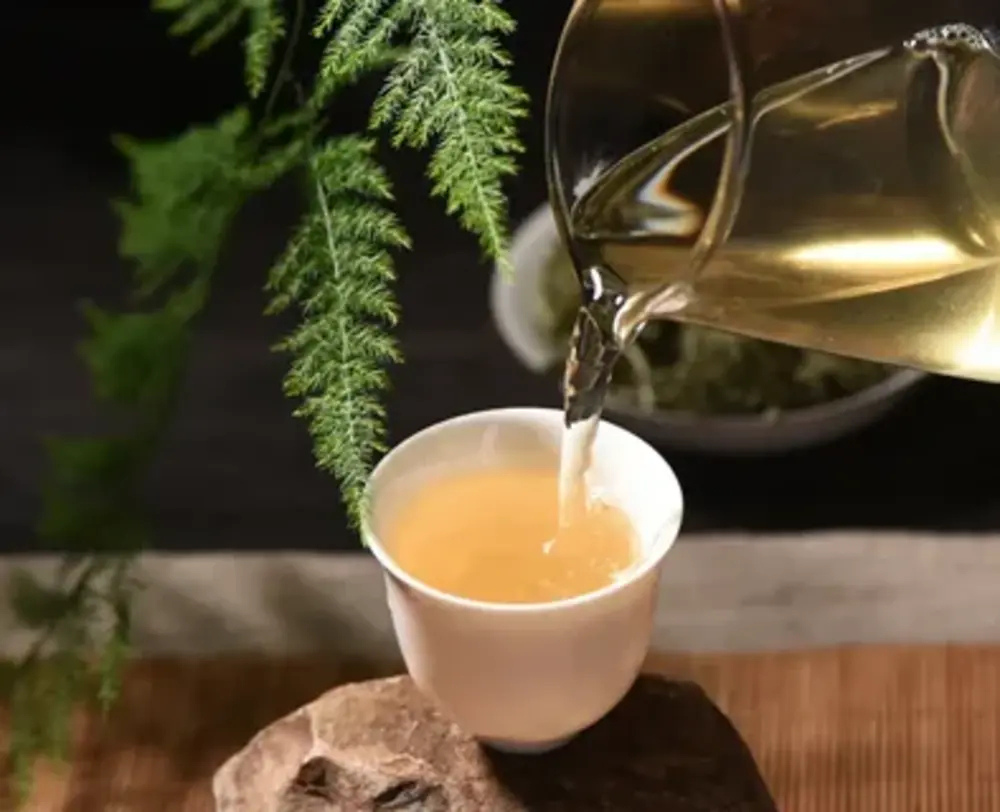
In the cup, mao feng green tea offers a gentle floral aroma with hints of orchard blossoms, soft grassiness, and a clean, smooth finish that makes it ideal for both new and experienced tea drinkers alike.
History & Origins
The reputation of mao feng green tea stretches back hundreds of years, with several key tea‑growing regions in China contributing to its legacy. One of the most well‑known varieties, Huangshan Mao Feng, comes from the slopes of the Yellow Mountain (Huangshan) in Anhui Province, an area with a rich tea culture and ideal mountainous climate for cultivating tender green tea leaves.
In Huangshan, the high altitude, frequent mist, and fertile soil all play into the tea’s nuanced flavor profile, creating conditions where the young buds develop slowly and accumulate more aromatic compounds. Harvesting typically happens in early spring, often before the Qingming Festival, which tea experts consider the best time for gathering the newest and most flavorful shoots.
Other regions, such as Mengding Mountain in Sichuan or parts of Yunnan, also produce mao feng green tea styles that emphasize local terroir — from grassy and herbaceous profiles in Mengding to robust, earthy nuances in Yunnan.
Across regions, the emphasis remains the same: harvest young leaves and buds early, process them carefully, and preserve the tea’s fresh green qualities. This commitment to quality explains why mao feng green tea is widely appreciated and featured among China’s classic green teas.
Flavor Profile & Aroma
One of the first things people notice about mao feng green tea is its inviting and layered flavor. Whether you’re sipping Huangshan Mao Feng or a Yunnan variation, the tea presents a light green liquor with a floral, slightly fruity aroma that’s both crisp and soothing.
The flavor profile of mao feng green tea tends to lean toward fresh floral notes, delicate orchard‑like sweetness, and subtle vegetal undertones. Many drinkers describe the aroma as reminiscent of orchard blossoms, young bamboo, or the scent of fresh spring grass. The taste is smooth, with a mild sweetness that lingers on the palate without any heavy bitterness or sharp astringency.
Depending on where it’s grown, mao feng green tea can also exhibit nuances of chestnut, light stone fruit, or floral perfume, making each infusion a subtly different experience. High‑quality mao feng teas are known for their clarity in both aroma and taste, which makes them enjoyable for multiple steeps.
Overall, the flavor and scent of mao feng green tea offer a balance between gentle sweetness, floral elegance, and refreshing vegetal brightness — characteristics that make it a favorite among those who prefer refined green teas.
Health Benefits Explained
Like other high‑grade green teas, mao feng green tea is rich in antioxidants and beneficial compounds that support overall wellness. Green tea contains polyphenols, including catechins like EGCG, which are known to help neutralize free radicals and promote cellular health. These antioxidants may support heart health by helping maintain healthy cholesterol levels and improving blood vessel function.
In addition to cardiovascular support, the catechins in green tea can help with metabolism and fat oxidation, making mao feng green tea a popular choice for those seeking natural weight management support. The presence of L‑theanine — an amino acid found in green tea — can also help promote calm focus without the jittery effect of stronger caffeinated drinks. Because mao feng green tea is typically crafted from young buds and leaves, it often contains higher levels of these beneficial components compared with lower‑grade green teas.
Moderate consumption of green tea is also associated with better cognitive function and reduced inflammation. While green tea should not replace medical advice or treatment, enjoying a daily cup of mao feng green tea can be part of a balanced lifestyle aimed at supporting energy levels, immune health, and overall well‑being.
How to Brew Mao Feng Green Tea
| Step / Element | Details |
|---|---|
| Water Temperature | 75–85°C (167–185°F) – zyada garam pani leaves ko jala sakta hai aur harsh taste deta hai |
| Tea Quantity | 2–3 grams (1 teaspoon) per 250 ml (8 oz) water |
| Steeping Time (1st Infusion) | 2–3 minutes |
| Stronger Flavor Option | Baad wali infusions mein 30 seconds zyada steep kar sakte hain |
| Number of Infusions | 3–4 brews common hain |
| Flavor Control (Light) | Short steeping time, fresh floral notes |
| Flavor Control (Full) | Thori zyada leaves ya thora zyada steep time |
| Recommended Teaware | Glass teapot ya gaiwan (leaves ko unfurl hote dekhne ke liye) |
| Important Tip | Boiling water avoid karein taake delicate aroma aur flavor preserve rahe |
Mao Feng vs Other Green Teas
While mao feng green tea shares some characteristics with other Chinese green teas, it has distinct differences. For example, Longjing (Dragon Well) often delivers a nutty, toasted flavor, whereas mao feng focuses on floral sweetness and bright vegetal notes. Another comparison, Bi Luo Chun, is known for intense spring fragrance and lively aroma, while mao feng remains more balanced and subtle.
Additionally, processing styles vary: some mao feng teas are pan‑fried gently to stop oxidation and preserve freshness, while others like certain Mengding versions are steamed, resulting in greener, grassier profiles.
These differences mean mao feng green tea suits drinkers who want elegant, refined flavor without overwhelming boldness.
Common Mistakes in Brewing
A common mistake when brewing mao feng green tea is using water that’s too hot — this can make the tea taste bitter or overly grassy. Another error is steeping too long on the first infusion; shorter steeps preserve the tea’s subtle floral and sweet notes. Avoid adding milk or sugar, as these mask the delicate flavors. Finally, reuse good quality leaves for multiple steeps, but don’t over‑infuse after the third or fourth brew to keep the taste crisp and enjoyable.
FAQs
Q1: What does “mao feng” mean?
The term translates as “fur peak,” referring to the fine hairs and peak‑like shape of the young tea leaves used in this style of green tea.
Q2: Is mao feng green tea caffeinated?
Yes, like most green teas, it contains moderate caffeine levels — enough for a gentle energy boost without the intensity of coffee.
Q3: How many times can you steep mao feng green tea?
High‑quality mao feng green teas can often be steeped 3–4 times, with later infusions revealing softer floral or vegetal notes.
Q4: Can mao feng help with weight management?
The antioxidants and catechins in mao feng green tea may support metabolism and energy use, but it’s best enjoyed as part of a balanced diet and lifestyle.
Q5: What’s the best time to drink mao feng green tea?
Many people enjoy it in the morning or early afternoon when the gentle caffeine can support focus without disturbing sleep.
Q6: Is mao feng green tea good for beginners?
Absolutely — its balanced, gentle flavor makes it an excellent choice for newcomers to green tea.
Conclusion
Mao feng green tea is a delightful expression of Chinese tea craftsmanship — combining delicate floral notes, smooth sweetness, and a refreshing finish that appeals to both new and seasoned drinkers. Whether sipped slowly in quiet moments or shared with friends, this tea invites mindfulness and appreciation for subtle flavor. Its gentle caffeine lift, antioxidant content, and elegant aroma make it a wonderful addition to daily routines. With proper brewing and respect for its delicate nature, mao feng green tea can transform ordinary tea time into a soothing ritual that celebrates tradition and taste.