
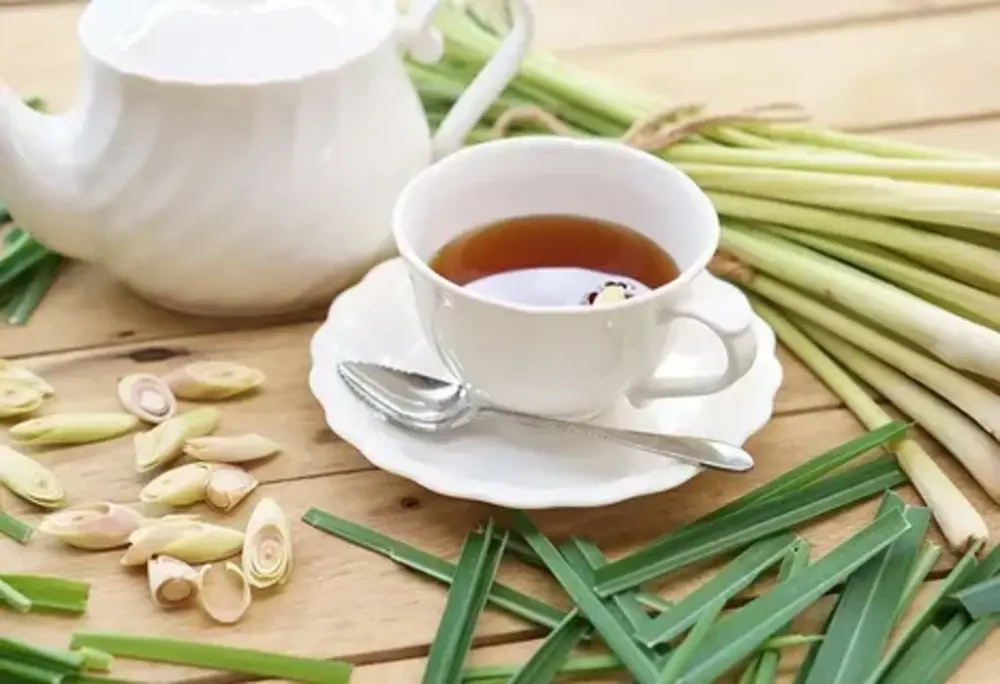
“Lemongrass and Green Tea Benefits” include boosting immunity, aiding digestion, reducing stress, supporting weight loss, and enhancing overall wellness.
What Lemongrass and Green Tea Are & Why This Blend Matters
Lemongrass and green tea benefits have become a topic of interest in the health and wellness world because both ingredients are loaded with antioxidants and plant compounds that support overall well‑being. Lemongrass is a fragrant herb with citrusy notes traditionally used in teas and herbal remedies for centuries, prized for its calming and digestive properties. Green tea, on the other hand, is one of the most widely studied beverages in the world, known for its rich catechin content and multiple health advantages.
When combined, the warming, slightly citrus flavor of lemongrass melds beautifully with the earthy, smooth taste of green tea to create a refreshing beverage that not only tastes good but can also be part of a balanced wellness routine.

What Makes Lemongrass Healthy?
Lemongrass is more than just a flavoring herb. Its natural compounds — including citronellal, isoorientin, and chlorogenic acid — give it antioxidant, anti‑inflammatory, and antimicrobial properties. These compounds help the body counter oxidative stress, which is linked to aging and chronic disease risk. Regularly consuming lemongrass tea has been associated with neutralizing harmful free radicals that can damage cells and DNA over time.
One of the notable traditional uses of lemongrass is in digestion support. Many people drink lemongrass tea to help soothe bloating, indigestion, and mild stomach discomfort. Some research suggests it may even protect the stomach lining against damage from irritants.
Lemongrass is also valued for its calming effect — the aroma alone can relax the nervous system and help reduce mental stress. While more rigorous human trials are needed, existing studies and folk use suggest that sipping lemongrass tea may help with mild anxiety and promote a sense of calm.
Other possible benefits include supporting heart health by promoting healthy blood pressure levels, acting as a natural diuretic that helps flush excess fluid, and aiding detoxification by encouraging waste removal through enhanced urine output.
Why Green Tea Is a Superfood
Green tea has been consumed for thousands of years across Asia for its refreshing taste and impressive health profile. What sets green tea apart is its rich content of catechins, especially epigallocatechin gallate (EGCG) — plant antioxidants known for their disease‑fighting potential. These compounds help protect cells from oxidative stress and may reduce the risk of chronic conditions like heart disease and certain cancers.
Multiple studies suggest that regular green tea consumption supports heart health by promoting healthy cholesterol levels and supporting blood vessel function. These factors are linked with a reduced risk of heart attack and stroke when combined with a balanced lifestyle.
Another area where green tea shines is metabolism support and weight management. Research shows that green tea can help boost fat oxidation and energy expenditure, especially when paired with physical activity.
Green tea also contains a small amount of natural caffeine combined with L‑theanine, an amino acid that can improve focus and calm alertness without causing the jittery feeling some people get from coffee. This makes it a popular drink for improving cognitive performance and daily alertness.
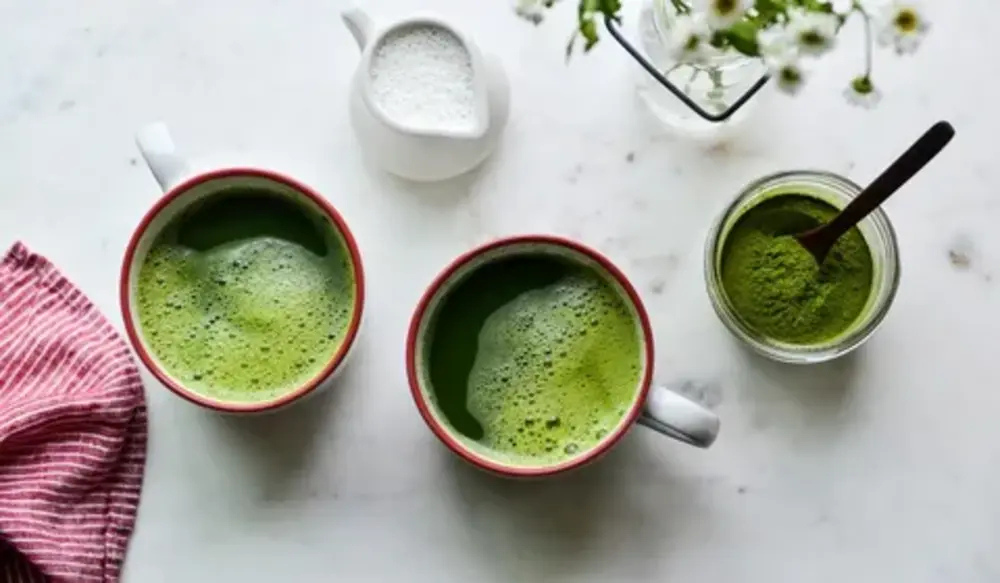
Combined Benefits of Lemongrass and Green Tea
When lemongrass and green tea are combined, their benefits don’t just add up — they often synergize in ways that can enhance overall wellness. Both are rich in antioxidants that help the body fight oxidative stress and inflammation. Inflammation is a common underlying factor in many modern chronic diseases, including cardiovascular issues and metabolic disorders.
One of the most compelling combined effects is digestion support. Lemongrass has long been used to soothe the digestive tract and relieve bloating, while green tea’s catechins can enhance metabolic processes. Together, they create a soothing blend that helps food move more comfortably through the digestive system.
Another major area of the combined benefits includes heart health. Lemongrass’s diuretic properties help reduce water retention and support healthy blood pressure levels, while green tea’s antioxidants may help manage cholesterol and support arterial health.
There’s also increasing interest in how this combination may help with stress relief and mental clarity. The aroma and calming properties of lemongrass can help reduce tension, and green tea’s L‑theanine provides a calming focus. Together, they can promote a state of relaxed yet clear thinking — perfect for afternoon tea breaks or mindful routines.
Both ingredients may also support immune function. Lemongrass’s antimicrobial properties help defend against certain bacteria and fungi, while green tea’s high antioxidant levels support the immune system’s ability to respond to threats.
Finally, some folks use this blend as a gentle detox tea. The diuretic effect of lemongrass encourages waste removal, and when paired with green tea’s metabolism‑boosting compounds, it can be a refreshing part of a wellness routine.
How to Prepare Lemongrass and Green Tea
Making a delicious and healthful cup of lemongrass and green tea at home is simple. Start with fresh or dried lemongrass pieces and high‑quality green tea leaves or tea bags. Add one teaspoon of green tea and a tablespoon of lemongrass per cup of hot water. Steep for about 3–4 minutes — avoid boiling water to preserve the delicate antioxidants in green tea.
For stronger flavor, you can lightly bruise the lemongrass before steeping to help release its essential oils. Some people like to add a slice of lemon or a touch of raw honey for sweetness without overwhelming the natural flavors.
If you prefer a chilled version, brew the tea as above, let it cool, and serve over ice with a wedge of citrus for a refreshing twist in warmer weather.
Side Effects and Safety Tips
While lemongrass and green tea benefits are extensive, it’s important to use them responsibly. Lemongrass can act as a diuretic, increasing urination and potentially affecting fluid balance if consumed in excess. People with low blood pressure or taking certain medications should consult a healthcare provider before regular consumption. Pregnant or breastfeeding individuals should also seek medical advice before adding lemongrass tea to their routine.
Green tea contains natural caffeine, which may cause mild jitteriness or sleep disturbances if consumed late in the day or in very high amounts. Individuals with caffeine sensitivity should moderate intake accordingly. Overall, enjoying this tea in moderation — one to three cups daily — is generally considered safe for most adults.
FAQs
Q: Can lemongrass and green tea help with weight loss?
A: Yes — the diuretic properties of lemongrass and metabolism‑supporting catechins in green tea can help support weight management when part of a healthy diet.
Q: Is drinking this tea good for digestion?
A: Many people report reduced bloating and improved digestion after drinking lemongrass and green tea thanks to their soothing plant compounds.
Q: Can it help lower blood pressure naturally?
A: Some research suggests lemongrass and green tea may support healthy blood pressure levels over time, but always consult a doctor if you have cardiovascular conditions.
Q: Does it have caffeine?
A: Green tea contains a small amount of natural caffeine; lemongrass is caffeine‑free. Adjust your intake if you’re sensitive to caffeine.
Q: How often can I drink this tea?
A: 1–3 cups per day is a common guideline for overall wellness without overdoing caffeine or diuretic effects.
Conclusion:
Lemongrass and green tea benefits make this blend a compelling choice for anyone seeking a gentle, natural approach to wellness. From antioxidant support and heart health to digestion, stress relief, and detoxification, this aromatic tea offers multiple advantages that fit well into a balanced lifestyle. With easy preparation and a delightful flavor, it’s a beverage that can become a nourishing part of your daily routine.