Green Tea in Thailand
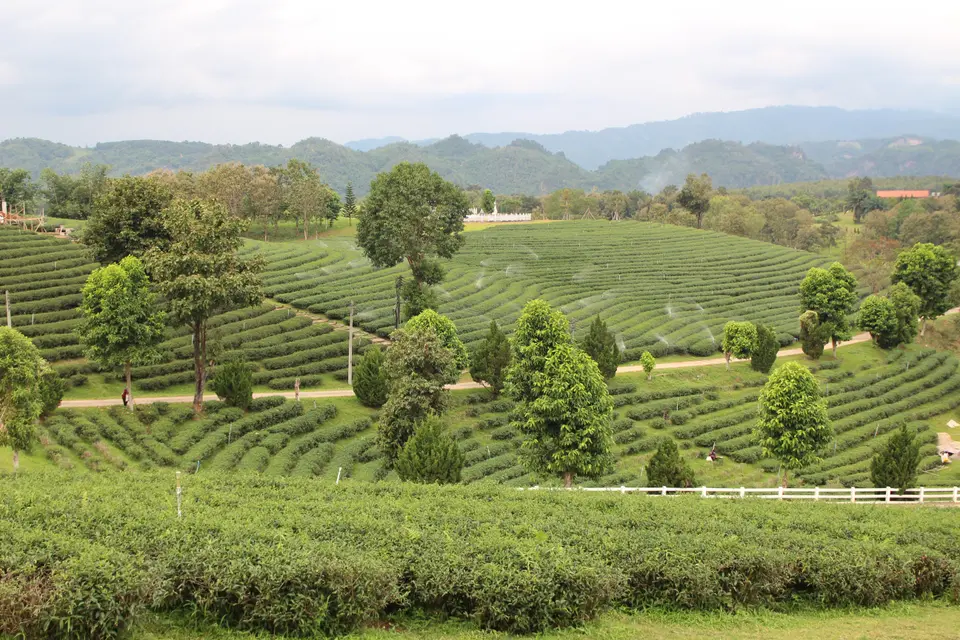
Yes, Thailand grows tea, mainly in the mountainous north. A tea program there began in 1975 with Taiwan's help, and oolong leads, with some green tea. Bottled green tea is popular too: a 2016 Thai report named Oishi and Ichitan the two largest bottled-tea players.
On this page
Thailand grows tea, mostly in its mountainous north, and bottled green tea is a familiar drink there. Here’s what we could confirm from published sources, and where the record runs thin.
Is green tea grown in Thailand?
Yes, in the mountainous north. Tea plants grow wild there too: a 2026 study describes wild tea collected from highland forests and slopes in six northern provinces, including Chiang Mai and Chiang Rai.
Cultivated tea got a big push in the 1970s. STiR Coffee and Tea Magazine, citing a handbook from Thailand’s Department of Agriculture, reports that a tea planting program began in 1975 along the border with Myanmar, as a measure against widespread opium poppy growing. The Taiwanese government supported it with hybrid seeds and experts.
The best-documented growing area is Doi Mae Salong, a mountain on the Myanmar border northwest of the city of Chiang Rai. The 2022 STiR article reports that:
- Oolong No. 12 and No. 17, both developed in Taiwan, are the only tea varieties grown commercially there.
- Oolong makes up the bulk of the tea.
- Green tea is made from the same Taiwanese plants, and output has been rising with demand.
- Smaller batches of white tea, red tea and specialty teas are made too.
- Most of the tea is exported, mainly to Taiwan and China.
A 2024 study from Taiwan’s Tea and Beverage Research Station backs up the oolong link. It lists Thailand among the countries that produce Taiwanese-style oolong.
That is one region, not the whole country. STiR notes there is no reliable reporting system for crop data on Doi Mae Salong, and we didn’t find an official national production figure, so we don’t quote one.

Is Thai tea all green tea?
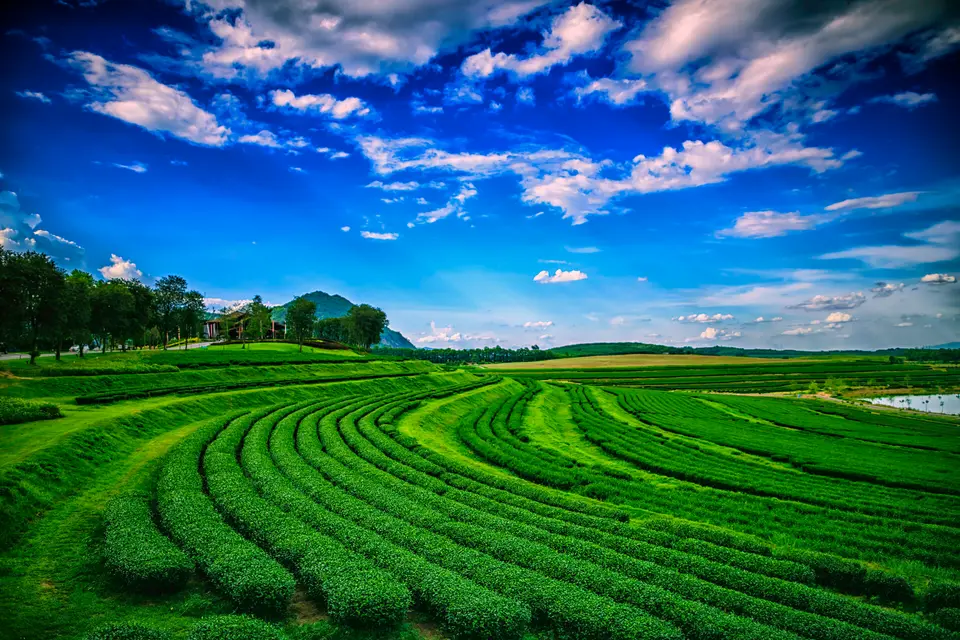
No. Oolong leads in Doi Mae Salong. Northern Thailand also has miang, a traditional fermented tea made from Assam tea leaves with lactic acid bacteria and yeast, according to a Chiang Mai University study. It’s fermented, so it isn’t green tea. For how green tea differs from other teas, see our guide to green tea vs white tea or the types of green tea hub.
What is Thai bottled green tea?
Ready-to-drink green tea is sold widely in Thailand. In 2016, The Nation described Ichitan Group and Oishi Group as the two largest players in the country’s bottled tea market. In its 2019 results, Ichitan called mainstream green tea its core product.
Market shares and sales change from year to year, and the figures we found are several years old, so we don’t quote them as current. See our green tea brands hub for other brands.
Is Thai green tea healthy, and does it have caffeine?
Brewed green tea has caffeine, about 29 mg in 8 oz according to the Mayo Clinic. The National Center for Complementary and Integrative Health (NCCIH) reports no safety concerns for green tea as a beverage in adults, though definite conclusions can’t yet be reached for most uses.
That doesn’t automatically cover a bottle. NCCIH’s summary is about green tea and its extracts, not sweetened or flavored bottled drinks. The sources we checked didn’t give a caffeine figure for Oishi or Ichitan bottles, so check the label for caffeine and sugar. For a US bottled example, see is Arizona green tea healthy.
Is Thai Nguyen tea from Thailand?
No. Thai Nguyen is a province in Vietnam known for its green tea, according to Vietnam Economic News. If that’s what you were searching for, read our Vietnamese green tea guide.
More on types & origins
See the full types & origins guideSources
- Doi Mae Salong: Thailand's Best Kept Tea Origin Secret, STiR Coffee and Tea Magazine
- Assessment of the Genetic Diversity and Population Structure of a Wild Tea Germplasm Collection in Thailand Using SSR Markers, Plants
- Development and industrial application of geographical origin identification for Taiwanese oolong tea, Journal of Food and Drug Analysis
- Nutritional biotransformation in traditional fermented tea (Miang) from north Thailand and its impact on antioxidant and antimicrobial activities, Journal of Food Science and Technology
- Ichitan, Oishi pursue different strategies in Bt15-bn tea market, The Nation Thailand
- ICHI posts a whopping 829.4% rise in 2019 net profit with dividend payment of 0.35 baht/share, domestic green tea market still promising, Ichitan Group
- Thai Nguyen, the cradle of Vietnamese green tea, Vietnam Economic News
- Green Tea: Usefulness and Safety, National Center for Complementary and Integrative Health
- Caffeine content for coffee, tea, soda and more, Mayo Clinic