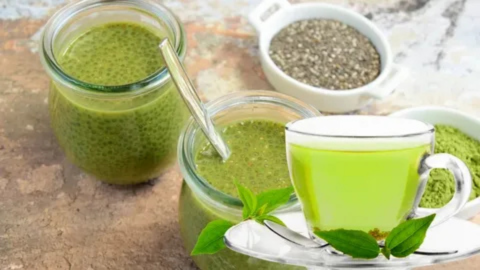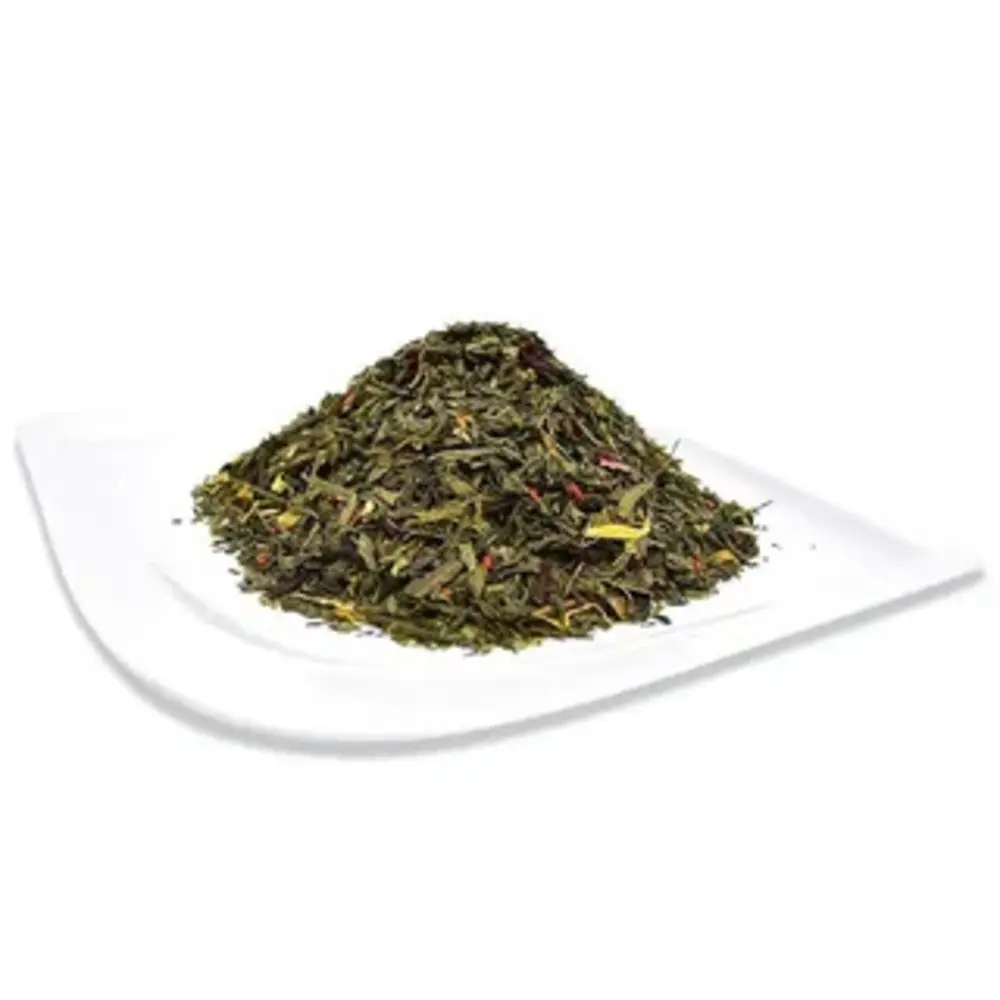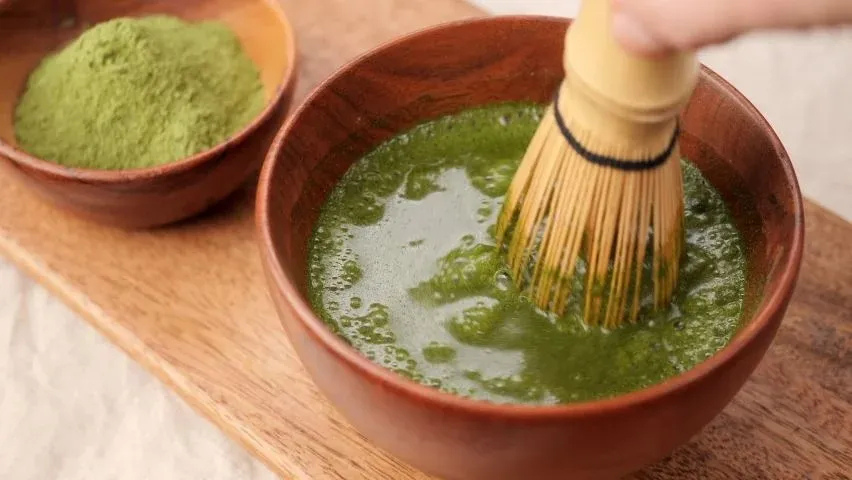

Discover how green tea may help with yeast infections. Learn its antifungal benefits, usage tips, and natural ways to support Candida prevention.
Green Tea and Yeast Infections
Yeast infections, most commonly caused by Candida overgrowth, are very common and can create uncomfortable symptoms such as itching, burning, and irritation. Many people turn to natural remedies, and that is why the connection between green tea and yeast infections has become a topic of interest.
Green tea is known for its polyphenols and antioxidants, which provide anti-inflammatory and antifungal benefits. It not only supports immunity but may also help naturally inhibit the growth of Candida.
In this article, we will explore how green tea affects Candida and yeast infections, what scientific studies say, and how it can be used safely.
What Is a Yeast Infection & Its Common Causes
A yeast infection occurs when the fungus Candida albicans grows excessively in the body. It mostly develops in warm, moist areas such as the vagina, mouth, or skin folds. Symptoms include itching, burning, redness, and abnormal discharge.
Common causes of yeast infections include:
- Antibiotic use
- Hormonal changes (pregnancy, birth control)
- High-sugar diet
- Weakened immunity
- Stress
- Poor hygiene
People often turn to natural remedies because they minimize side effects and support immunity. In this context, the role of green tea and yeast infections becomes important because green tea’s antifungal properties may naturally inhibit Candida growth.
Green Tea – Key Compounds & Antifungal Potential
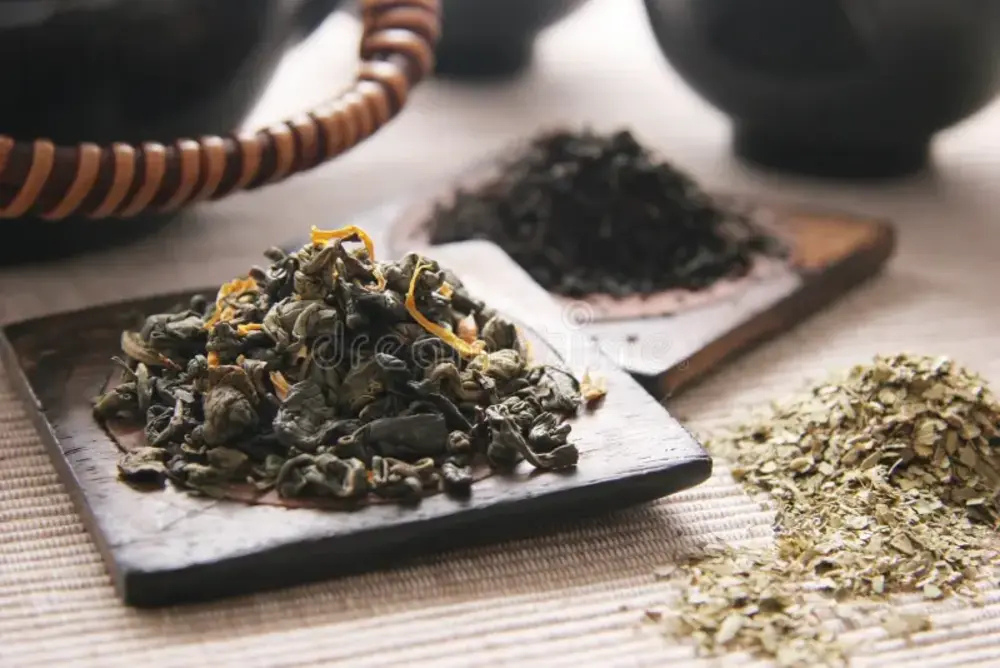
Green tea is rich in powerful compounds, especially polyphenols, with catechins being the most prominent. These compounds provide antioxidant and anti-inflammatory benefits that boost overall health and immunity.
Research suggests that the polyphenols in green tea have antifungal properties and may inhibit the growth of Candida albicans. These compounds can damage fungal cell walls and slow down the spread of infection. Green tea also has mild antimicrobial effects, which may help prevent yeast infections.
Regular green tea consumption strengthens the immune system, helping the body fight fungal infections naturally. This is why many people explore the combination of green tea and yeast infections as a natural preventive approach.

Scientific Evidence – Green Tea vs. Candida
Multiple studies have shown that green tea compounds—especially epigallocatechin gallate (EGCG) and catechins—can inhibit the growth of Candida albicans. Laboratory research shows these compounds damage fungal cell walls, helping control yeast infections naturally.
Although animal and in-vitro studies show positive results, human clinical trials are still limited. Some research also indicates that green tea can prevent biofilm formation, which is a major cause of fungal resistance and recurring infections.
This means green tea may potentially help reduce yeast infection recurrence.
Along with antifungal benefits, green tea provides immune-boosting and anti-inflammatory support, helping the body fight infections naturally. While promising, green tea should not be considered a replacement for standard medical treatment.
Possible Benefits of Green Tea for Yeast Infections
Regular consumption of green tea may provide several potential benefits for those dealing with yeast infections or Candida overgrowth.
| Benefit | Description |
|---|---|
| 1. Antifungal Properties | Catechins and EGCG in green tea inhibit fungal growth and may naturally reduce yeast infection symptoms. |
| 2. Immune Support | Antioxidants and anti-inflammatory compounds strengthen the immune system, helping the body fight fungal infections. |
| 3. Preventing Recurrence | Green tea may help reduce biofilm formation, which is a major cause of recurring yeast infections. |
| 4. Holistic Wellness | Supports overall wellness, including improved digestion and reduced inflammation. |
| 5. Safe & Accessible | Drinking 1–2 cups daily is generally safe and acts as a natural Candida-support remedy. |
These benefits make many people interested in using green tea for yeast infections, especially those who prefer natural remedies.

How to Use Green Tea for Yeast Infections
Incorporating green tea into your daily routine for yeast infection prevention or support is quite simple.
1. Brewed Green Tea
Drink 1–2 cups of brewed green tea daily. It provides antioxidants and antifungal compounds that support the body.
2. Green Tea Extract
If you prefer a stronger dose, green tea extract capsules offer concentrated antifungal support against Candida.
3. Consistency
Natural remedies work slowly, so consistent daily use is important.
4. Complementary Measures
Balanced diet, probiotics, and reduced sugar intake enhance green tea’s effectiveness in preventing yeast infections.
5. Topical Use (Optional)
Some research suggests mild green tea washes or diluted topical applications may offer local relief, but medical consultation is recommended before trying this.
In this way, the combination of green tea and yeast infections becomes a practical and natural strategy with minimal risks and safe benefits.

Limitations, Risks, and Unknowns
While green tea and yeast infections seem like a promising combination, there are some limitations and risks to consider:
1. Limited Human Studies
Most research is based on laboratory or animal studies. Human trials are still limited, so results cannot be guaranteed.
2. Not a Replacement for Medication
Green tea is a supportive remedy, not a treatment. Severe or recurring infections require antifungal medications.
3. Caffeine Sensitivity
Green tea contains caffeine, which may cause sleep issues, jitteriness, or heart palpitations in some individuals.
4. Medication Interactions
People taking blood thinners or stimulant medications should consume green tea cautiously.
5. Individual Response Varies
Some people may benefit more than others. Effects are not the same for everyone.
Considering these limitations, green tea is best used as a preventive and supportive measure
FAQs (Frequently Asked Questions)
Q1: Can I drink green tea daily to prevent yeast infections?
Yes, drinking 1–2 cups daily is generally safe and provides antifungal benefits. Excessive intake may cause caffeine-related issues.
Q2: Is green tea a treatment for yeast infections?
No. It is a supportive natural remedy, but for severe infections, medical antifungal treatment is necessary.
Q3: Which compounds in green tea help fight Candida?
Polyphenols, catechins, and EGCG are the primary compounds that inhibit fungal growth.
Q4: Is green tea safe for topical use?
Mild green tea washes may provide local relief, but always consult a doctor first.
Q5: Are diet changes important along with green tea?
Yes. Reducing sugar and adding probiotics enhances the effectiveness of green tea in preventing yeast infections.
Conclusion
The combination of green tea and yeast infections is a promising natural approach that may help support the body in fighting Candida overgrowth. Green tea’s polyphenols and catechins offer antifungal benefits, while its antioxidants and immune-boosting properties enhance overall wellness.
It can be used as a preventive strategy, for symptom support, and to reduce recurrence—but it is not a substitute for medical treatment in severe or persistent cases.
Drinking 1–2 cups of green tea daily, along with a balanced diet and probiotics, can be a safe and practical natural remedy. Consulting a healthcare professional is always recommended for proper guidance.

My name is Fatima Bibi. I am a health and wellness writer with over five years of research experience in green tea, herbal remedies, and natural living. I study scientific research, health articles, and traditional practices to provide accurate and easy-to-understand information. My goal is to share simple, practical tips that help people improve their daily health naturally. Through my website, I publish well-researched content about green tea benefits, weight management, skincare, and overall wellness. I believe small healthy habits can create long-term positive changes and help people live a balanced, healthier life naturally.