Discover the key difference between matcha and green tea, from nutrition and caffeine to taste and preparation, to choose the right tea for your lifestyle.
Introduction
Green tea has long been praised for its health benefits, but in recent years, matcha has gained massive popularity as a premium alternative. Many people assume matcha and green tea are the same, but that’s not entirely true. While both come from the same plant, Camellia sinensis, the difference between matcha and green tea lies in how they are grown, processed, consumed, and how they affect the body. Understanding this difference can help you choose the right tea based on your health goals, lifestyle, and taste preferences.
What Is Green Tea?
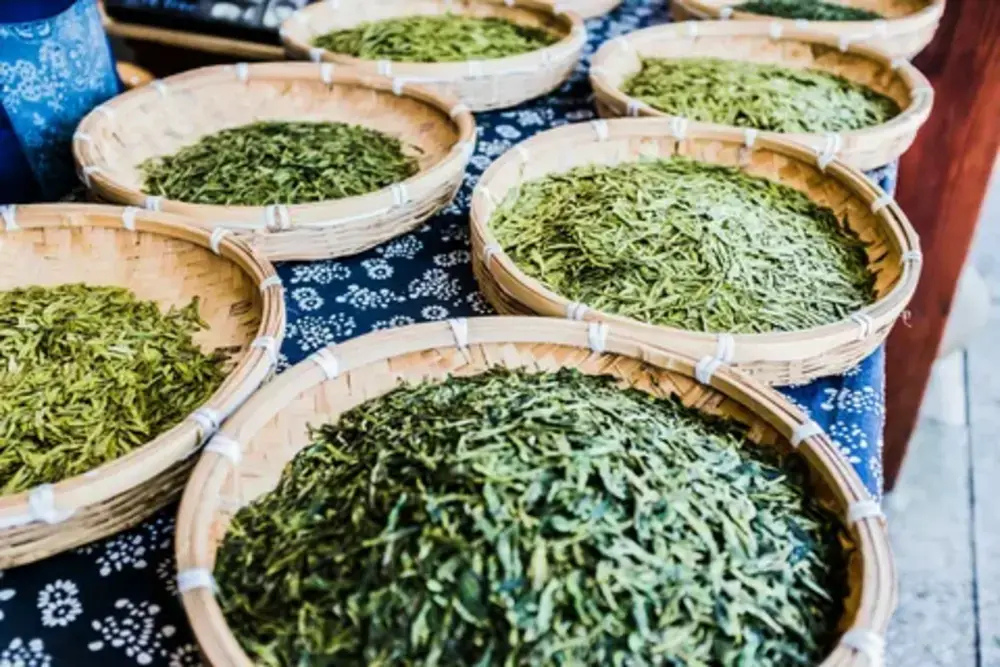
Green tea is one of the oldest beverages in the world, traditionally consumed in China and Japan. It is made by harvesting tea leaves, lightly steaming or pan-firing them, and then drying them. This minimal processing helps preserve antioxidants while preventing oxidation.
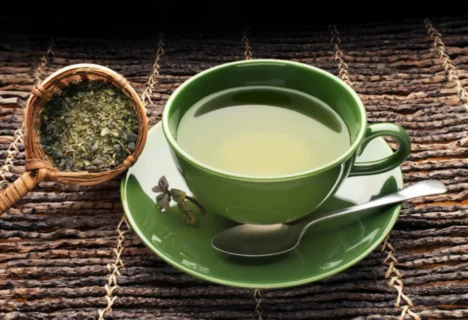
There are several popular types of green tea, including sencha, bancha, gunpowder, and dragon well. Green tea is typically brewed by steeping whole or crushed leaves in hot water, then discarding the leaves before drinking.
In terms of nutrition, green tea contains antioxidants called catechins, especially EGCG, which support heart health, metabolism, and overall wellness. It has moderate caffeine levels, making it a gentle energy booster suitable for daily consumption.
What Is Matcha?
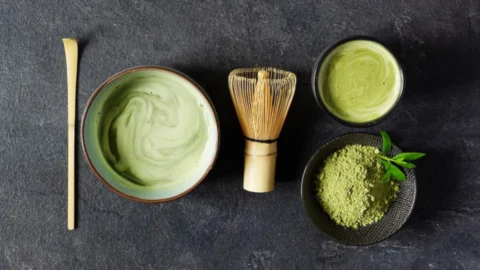
Matcha is a specific type of green tea, but it is grown and processed very differently. Matcha tea plants are shade-grown for about three to four weeks before harvest. This increases chlorophyll and amino acid content, giving matcha its vibrant green color and rich nutrient profile.
After harvesting, the leaves are dried and ground into a fine powder using stone mills. Unlike green tea, where leaves are steeped and removed, matcha involves consuming the entire leaf in powdered form mixed with water.
This is one of the most important points when discussing the difference between matcha and green tea.
Difference Between Matcha and Green Tea
Processing Method
The biggest difference between matcha and green tea is processing. Green tea leaves are steeped and discarded, while matcha leaves are powdered and fully consumed. This alone explains most nutritional differences.
Nutritional Value
Matcha contains higher levels of vitamins, minerals, and antioxidants because the entire leaf is ingested. Green tea offers benefits too, but in lower concentrations.
Antioxidant Levels
Matcha has significantly more EGCG than green tea. These antioxidants help fight free radicals, reduce inflammation, and support cellular health.
Caffeine Content
Matcha has more caffeine than green tea, but it is released slowly due to L-theanine, providing calm and sustained energy. Green tea offers a lighter caffeine boost.
Taste and Texture
Green tea tastes light, grassy, or slightly bitter. Matcha has a rich, creamy, umami flavor with a thicker texture. Taste preference plays a big role when choosing between the two.

Health Benefits Comparison
Both teas are healthy, but the difference between matcha and green tea becomes clear when comparing benefits. Matcha supports focus, mental clarity, and metabolism due to higher caffeine and L-theanine. It is popular among professionals and athletes.
Green tea is gentler on the stomach and ideal for hydration, digestion, and long-term heart health. Both teas aid weight loss, improve cholesterol levels, and support detoxification, but matcha delivers faster and stronger effects due to higher nutrient density.
Which Is Better – Matcha or Green Tea?
Neither tea is objectively better—it depends on your needs. If you want a powerful antioxidant boost, better focus, and don’t mind a stronger taste, matcha is the better choice. If you prefer a mild flavor, lower caffeine, and a budget-friendly option, green tea is ideal.
For beginners, green tea is often easier to start with. Matcha suits people looking for performance, productivity, and premium nutrition.
FAQs
1. Is matcha healthier than green tea?
Yes, matcha is more nutrient-dense, but green tea is still very healthy.
2. Does matcha have more caffeine than green tea?
Yes, matcha contains more caffeine, but it provides calm energy.
3. Can I drink matcha every day?
Yes, 1–2 cups daily
4. Is matcha just powdered green tea?
No. Matcha is shade-grown and specially processed, making it unique.
Conclusion
The difference between matcha and green tea comes down to processing, nutrition, caffeine, and overall experience. Both teas offer impressive health benefits, but matcha provides a more concentrated and energizing effect, while green tea offers a gentler, more traditional approach to wellness. Choosing the right one depends on your lifestyle, taste, and health goals. Either way, adding these teas to your routine is a smart step toward better health.

My name is Fatima Bibi. I am a health and wellness writer with over five years of research experience in green tea, herbal remedies, and natural living. I study scientific research, health articles, and traditional practices to provide accurate and easy-to-understand information. My goal is to share simple, practical tips that help people improve their daily health naturally. Through my website, I publish well-researched content about green tea benefits, weight management, skincare, and overall wellness. I believe small healthy habits can create long-term positive changes and help people live a balanced, healthier life naturally.