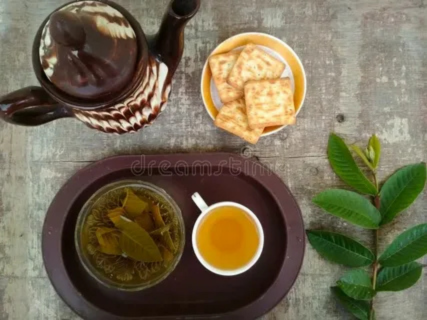

“Discover if Can Drinking Green Tea Cause Kidney Stones. Learn 5 key facts, risks, and tips to enjoy tea safely without harming your kidneys.”
Introduction
Many people love green tea for its antioxidant properties and mild caffeine boost. But you might be wondering: can drinking green tea cause kidney stones? This concern isn’t uncommon because tea contains compounds called oxalates, which are often linked to stone formation. However, the science isn’t as simple as black tea being bad and green tea being harmless. In fact, multiple research studies show conflicting effects of tea on kidney stone risk — and green tea often fares better than other types. Let’s explore the science, break down how kidney stones form, and separate facts from myths so you can enjoy your daily cup without worry.
What Are Kidney Stones?
Kidney stones are hard mineral deposits that form in the kidneys when certain substances — like calcium and oxalate — become concentrated in the urine. The most common type is calcium oxalate stones, created when calcium bonds with oxalate. These stones can cause sharp pain, nausea, or urinary discomfort when passing.
Stone formation depends on several factors:
- Oxalate levels: Oxalates are natural compounds found in many foods and tea. When too much oxalate ends up in the urine, stones can form.
- Hydration: Low fluid intake concentrates urine, increasing crystal formation risk.
- Calcium balance: Although calcium is part of stones, dietary calcium can paradoxically reduce stone risk by binding oxalate in the gut.
- Urinary pH and citrate levels: These influence how easily stones form.
Understanding stones helps us examine whether green tea’s oxalate content truly makes it risky — or whether other mechanisms counterbalance that risk.
Does Green Tea Cause Kidney Stones?
So, does drinking green tea cause kidney stones? The short answer is probably not for most people. Unlike black tea, which tends to have higher oxalate content, green tea is lower in oxalates and often does not increase stone risk in normal consumption amounts.
Research Evidence
A European cross‑sectional study involving individuals prone to stones found no significant increase in urinary oxalate or other major stone risk factors among daily green tea drinkers compared to non‑drinkers. In fact, some stone types were less common in female green tea drinkers, suggesting a potentially protective effect.
Similarly, a broader review of dietary studies reported that tea in general—especially green tea—was linked with a lower risk of stone formation rather than causing stones. This may be due to tea’s fluid and phytochemical content, which helps dilute the urine and can alter stone chemistry.
Oxalate Levels Matter
While green tea isn’t entirely oxalate‑free, the amount is significantly lower than in black tea or foods like spinach, nuts, or chocolate. This means that moderate green tea consumption by itself is unlikely to push someone past the threshold for stone formation unless other dietary risks are present.

Oxalate, Hydration & Risk Factors
The idea that green tea could cause kidney stones mainly comes from concerns about oxalates. Oxalates can bind with calcium in the kidneys and form crystals — but context matters greatly.
| Factor | Explanation |
|---|---|
| Oxalate in Green Tea | Green tea contains oxalate, but usually in low to moderate amounts compared with other oxalate‑rich foods. |
| Fluid Intake | Drinking fluids — especially avoiding dehydration — is one of the strongest protective factors against stones. Tea contributes to fluid intake and can help dilute urine. |
| Calcium and Diet Balance | Adequate calcium intake can prevent oxalate absorption in the gut, meaning less oxalate reaches the kidneys to form stones. |
| Metabolic Factors | Age, genetics, salt intake, and other lifestyle factors often influence stone risk more than beverages like green tea. |
So while green tea contains oxalate, it generally doesn’t appear to raise regular stone risk when consumed in moderation and with good hydration. If you already have a history of stones, discuss personalized dietary guidance with a healthcare provider.
Can Green Tea Actually Help Prevent Stones?
Some research suggests that green tea may help reduce the risk of kidney stones rather than cause them.
Possible Protective Mechanisms
- Fluid and Diuretic Effects: Tea increases urinary volume, helping flush out minerals that could form stones.
- Polyphenols and Crystal Formation: Certain green tea compounds may alter calcium oxalate crystal shape and prevent large stone formation, making them easier to pass.
- Antioxidants: The high antioxidant content in green tea might reduce inflammation in the urinary tract, indirectly supporting kidney health.
Large cohort data from population studies also show that people who drink multiple cups of tea — and specifically green tea — may have a reduced incidence of stone formation over time compared to non‑drinkers.
These results don’t prove causation, but they add weight to the idea that green tea is neutral or potentially beneficial when it comes to stone risk — especially compared with other beverages like sugary sodas or high‑oxalate drinks.

How Much Green Tea Is Safe?
| Topic | Explanation / Recommendation |
|---|---|
| Moderation | Most research on tea and kidney stone risk involves typical consumption levels — about 1–3 cups per day. In this range, green tea doesn’t show an increased risk of stones and may help with hydration. |
| Excessive Intake | Drinking very large amounts (more than 5–6 cups daily) could increase oxalate load without providing equivalent hydration benefit, especially if you aren’t drinking enough water alongside. |
| Tea Extract Supplements | These contain concentrated compounds and much higher oxalate and antioxidant levels. Some reports link high doses of green tea extract with liver strain and other side effects, though this isn’t common with brewed tea. Clinical consult is recommended. |
| Takeaway | Moderate green tea consumption with adequate hydration is generally safe for kidney health and unlikely to cause stones in most people. |
Practical Tips to Reduce Stone Risk
Here are evidence‑based ways to enjoy green tea without worrying about stones:
- Hydrate Well: Always drink additional water throughout the day. Adequate urine output helps prevent mineral crystals from settling.
- Balance Calcium Intake: Include calcium from food to bind oxalate in the gut.
- Moderate Tea Intake: Stick to regular brewed green tea rather than highly concentrated cold brews or supplements.
- Limit High‑Oxalate Foods: Foods like spinach, nuts, and beets can contribute oxalate load if consumed excessively.
- Watch Added Sugars: Sweetened iced teas can increase metabolic risk factors that indirectly influence stone formation.
- Monitor Symptoms: If you have a history of stones, consider periodic urine testing and discuss tea intake with your doctor.
FAQ
Q: Can drinking green tea directly cause kidney stones?
A: No strong evidence supports that moderate green tea consumption directly causes stones. Its oxalate content is low compared with higher‑risk foods and drinks.
Q: Should people with a stone history avoid green tea?
A: Not necessarily. Many people with stones can still enjoy green tea if balanced with hydration and dietary guidance. Consult a nephrologist for personalized advice.
Q: Is black tea worse than green tea for stones?
A: Yes — black tea typically contains higher oxalates and may slightly raise stone risk when consumed in excess.
Q: Does green tea help prevent stones?
A: Some studies suggest green tea’s polyphenols may change crystal formation and reduce stone size, possibly lowering the risk of large stone development.
Q: How many cups a day is safe?
A: Around 1–3 cups per day is widely considered moderate and unlikely to increase stone risk when paired with enough water.
Conclusion
In summary, the available evidence does not support the idea that drinking green tea causes kidney stones in most people. While green tea contains some oxalate, its levels are relatively low, and research suggests neutral or even protective effects when consumed in moderation with proper hydration. As with many dietary questions, individual factors — like genetics, fluid intake, overall diet, and medical history — play a large role in stone risk. If you’re concerned about stones or have a history of recurrent stones, talk with a healthcare provider before making significant changes to your diet or tea habits.

My name is Fatima Bibi. I am a health and wellness writer with over five years of research experience in green tea, herbal remedies, and natural living. I study scientific research, health articles, and traditional practices to provide accurate and easy-to-understand information. My goal is to share simple, practical tips that help people improve their daily health naturally. Through my website, I publish well-researched content about green tea benefits, weight management, skincare, and overall wellness. I believe small healthy habits can create long-term positive changes and help people live a balanced, healthier life naturally.