
Lavender green tea offers powerful benefits for relaxation, sleep, digestion, and wellness. Learn uses, brewing tips, and side effects.
Introduction
Imagine a warm cup that not only warms your senses but also sets your whole body into a state of calm. That’s exactly what lavender green tea offers — a delightful blend of green tea’s antioxidants and lavender’s soothing floral aroma. Whether you’re looking for a natural way to sleep better, improve your digestion, or simply enjoy a more mindful tea experience, this fusion drink has something to offer. In recent wellness communities, lavender green tea has become widely favored not just for its taste but also for its potential health benefits, including stress relief and immune support. In this guide, you’ll learn what makes lavender green tea special, how to brew it like a pro, and how to make it part of your daily routine.
What Is Lavender Green Tea?
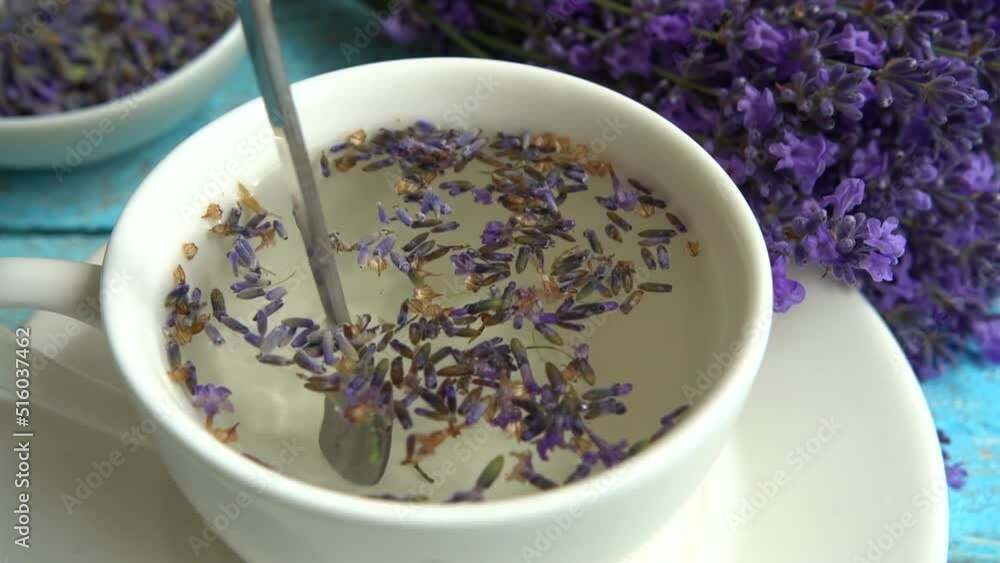
Lavender green tea is a herbal tea blend made by combining dried lavender flowers with green tea leaves. Green tea itself is celebrated worldwide for its high levels of antioxidants, particularly catechins, which help protect cells from oxidative stress. When paired with lavender — a Mediterranean herb known for its calming scent — you get a tea that’s both refreshing and soothing.
The floral essence of lavender complements the earthy, slightly grassy taste of green tea, creating a fragrant brew that’s enjoyable hot or iced. While some blends use only lavender buds and green tea, others may include mint or other gentle herbs for added flavor. Whatever the blend, the core idea is simple: combine the soothing powers of lavender with the health-supportive qualities of green tea for a wellness beverage that engages all your senses.
Health Benefits of Lavender Green Tea
Promotes Relaxation & Better Sleep
One of the biggest reasons people reach for lavender green tea is its calming effect. Lavender naturally interacts with the nervous system in ways that may help reduce anxiety and stress. Its fragrant compounds, like linalool, have mild sedative properties that can support more restful sleep when enjoyed before bed.
Rich in Antioxidants
Green tea is packed with antioxidants, particularly catechins and polyphenols, which help fight free radicals in the body. These molecules are powerful allies for immune support and general wellness. Combining green tea’s antioxidants with lavender’s natural compounds enhances the antioxidant potential of every cup.
Digestive Support
Lavender flowers have mild antispasmodic and anti-inflammatory properties that can help ease occasional bloating, nausea, or digestive discomfort. When added to green tea, which also supports gut health, the blend becomes a gentle digestive aid.
Stress & Mood Management
Regularly sipping lavender green tea may help lower feelings of stress and promote a calm mindset. Lavender has been used traditionally in aromatherapy for mood support, while green tea naturally contains L-theanine, a compound associated with improved brain function and relaxation.
Immune Support
Lavender’s anti-inflammatory and antimicrobial constituents can help support immunity and overall health, especially during seasonal changes or times of stress.

How to Brew Lavender Green Tea
Brewing lavender green tea correctly makes all the difference between a bitter cup and one that’s floral, smooth, and calming.
Step-by-Step Guide
| Step | Instructions |
|---|---|
| Measure | Use about 1 teaspoon (≈2g) of lavender green tea per cup |
| Heat Water | Heat water to 80–85°C (avoid boiling to preserve flavor) |
| Steep | Pour hot water over tea and steep for 2–3 minutes |
| Strain & Sip | Remove tea leaves or bag and enjoy immediately |
Optional Enhancers
Add a teaspoon of honey or a squeeze of lemon for a hint of sweetness and brightness.
Cold Brew Option
For hot weather, cold brew lavender green tea. Use about 3 tablespoons of loose tea per liter of cold water and refrigerate for 6–8 hours for a naturally smoother taste.
Best Time & Rituals to Enjoy Lavender Green Tea
Timing your tea can amplify its impact. A cup in the early morning can gently wake your senses while supporting antioxidant intake, whereas sipping it in the evening — 30–60 minutes before bed — helps signal your body that it’s time to relax and unwind.
Making tea part of a daily ritual enhances its benefits. Try pairing your cup with a short meditation, a journaling session, or simply sitting in quiet reflection. The act of slowing down, combined with lavender’s calming aroma and green tea’s nurturing warmth, creates a mindful moment of wellness.
Flavor, Pairings & Variations
Lavender green tea naturally offers a floral, subtly sweet, and earthy flavor profile. Some people enjoy it plain, while others pair it with complementary herbs like mint or chamomile to enhance its taste and benefits.
| Ingredient | Benefit |
|---|---|
| Mint | Adds refreshing coolness and enhances aroma |
| Lemon / Citrus | Brightens flavor and supports digestion |
| Honey | Provides natural sweetness and soothes the throat |
You can also explore herbal variations like lavender-mint green tea or combine lavender with chamomile for extra relaxation support.
Potential Side Effects & Precautions
While lavender green tea is generally safe for most adults, you should be aware of a few considerations:
- Caffeine Sensitivity: Green tea contains caffeine, which may affect sleep if consumed too late or in large quantities.
- Allergies: Some individuals may be sensitive to lavender or herbal infusions. Always start with a small amount.
- Pregnancy & Medical Conditions: If you’re pregnant, breastfeeding, or have medical issues, consult a healthcare provider before frequent consumption, especially if you drink tea for therapeutic benefits.
FAQs
1. Is lavender green tea good for sleep?
Yes. Lavender’s calming compounds combined with green tea’s gentle L-theanine can promote relaxation and support better sleep when consumed before bedtime.
2. How often should I drink lavender green tea?
You can enjoy 1–2 cups daily. Too much may lead to caffeine effects for people sensitive to stimulants.
3. Can I brew it cold?
Absolutely. Cold brewing creates a smoother, less bitter tea that’s refreshing on warm days.
4. Does lavender green tea help with digestion?
Lavender’s anti-inflammatory and carminative properties may support digestion, helping reduce bloating and discomfort.
Conclusion
“Lavender green tea is not just a simple beverage; it’s a complete wellness experience. The powerful antioxidants of green tea combined with the calming properties of lavender make this tea an option that supports both the body and the mind. Whether you want to reduce stress, are looking for better sleep, or simply want to add a healthy habit to your daily routine, lavender green tea fits perfectly into every situation.”

My name is Fatima Bibi. I am a health and wellness writer with over five years of research experience in green tea, herbal remedies, and natural living. I study scientific research, health articles, and traditional practices to provide accurate and easy-to-understand information. My goal is to share simple, practical tips that help people improve their daily health naturally. Through my website, I publish well-researched content about green tea benefits, weight management, skincare, and overall wellness. I believe small healthy habits can create long-term positive changes and help people live a balanced, healthier life naturally.