Yerba mate vs green tea compared for caffeine, antioxidants, health benefits, weight loss, and energy. Find out which one fits your lifestyle best.
Introduction
The debate around yerba mate vs green tea has grown as more people look for natural ways to boost energy, improve focus, and support long-term health. Both drinks come from plants with centuries of cultural use, and both are praised for antioxidants, caffeine, and metabolic benefits. Yet, they deliver noticeably different experiences.
If you’re trying to decide between yerba mate vs green tea for daily energy, weight management, or overall wellness, understanding the differences matters. This guide breaks down caffeine levels, nutritional value, health benefits, and potential drawbacks so you can choose what actually fits your lifestyle.
What Is Yerba Mate? Origins, Taste, and Use
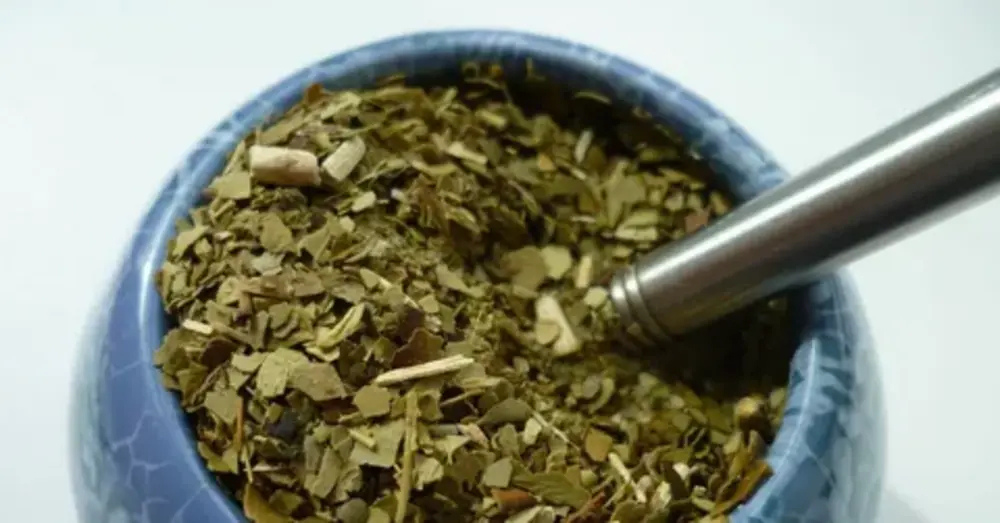
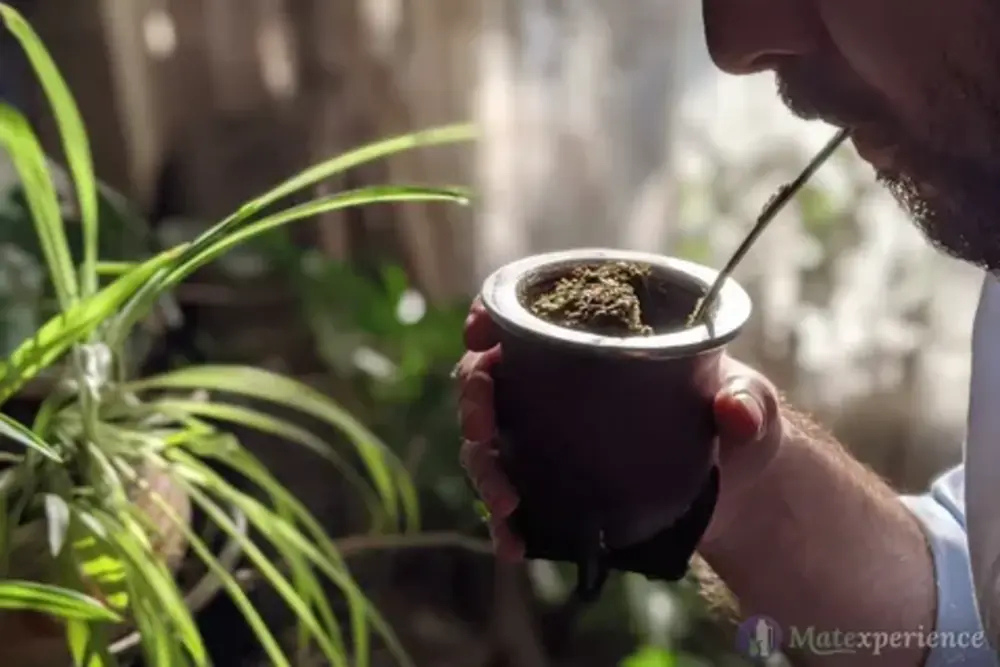
Yerba mate is made from the dried leaves of Ilex paraguariensis, a plant native to South America. For centuries, people in Argentina, Uruguay, Paraguay, and Brazil have consumed yerba mate as a social and cultural ritual. Traditionally, it’s steeped in hot water and sipped through a metal straw called a bombilla.
When comparing yerba mate vs green tea, taste is one of the first noticeable differences. Yerba mate has a bold, earthy, slightly smoky flavor that some describe as grassy or bitter. Modern versions now include tea bags, bottled drinks, and flavored blends, making yerba mate more accessible than ever.
Yerba mate is often chosen for its reputation as a “clean energy” drink—stronger than green tea but smoother than coffee.

What Is Green Tea? Origins, Taste, and Use
Green tea comes from the Camellia sinensis plant and has deep roots in China and Japan. Unlike black tea, green tea leaves are minimally oxidized, preserving their delicate flavor and antioxidant content.
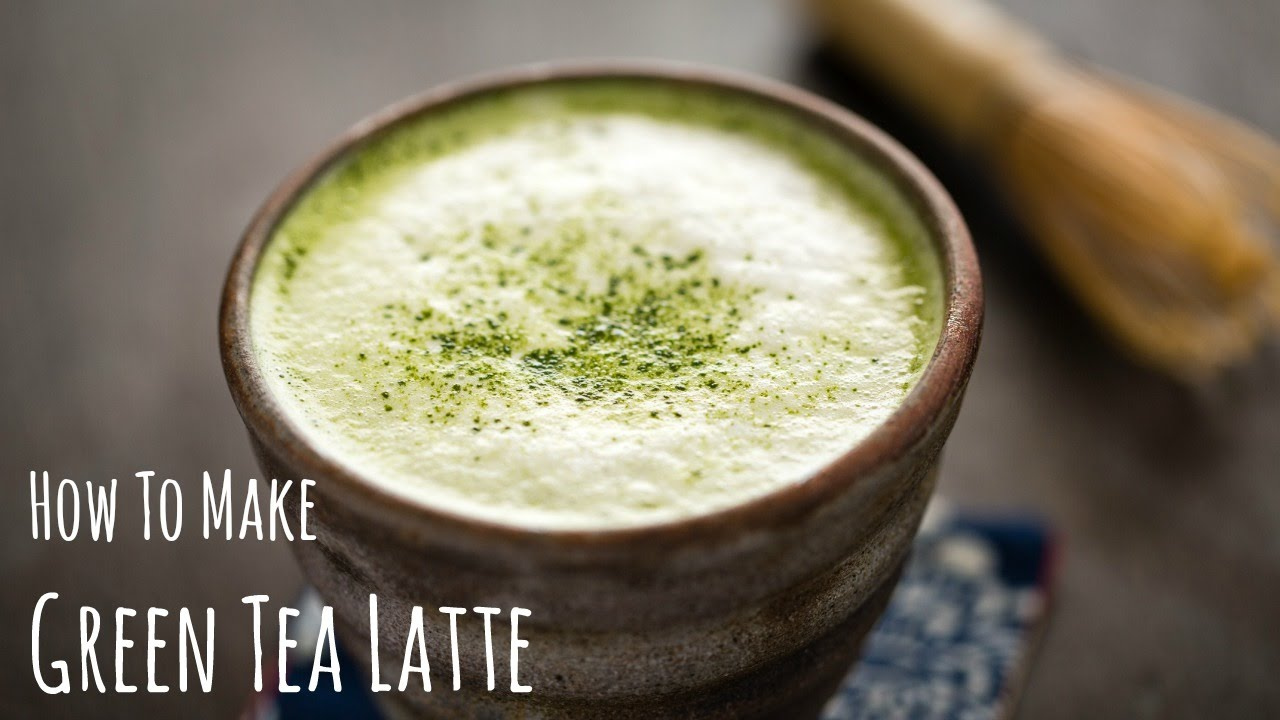
In the yerba mate vs green tea discussion, green tea is usually favored for its mild taste and gentle stimulation. It has a light, slightly vegetal flavor that varies depending on the variety, such as sencha, matcha, or jasmine green tea.
Green tea is commonly consumed for relaxation, longevity, and daily wellness. Its widespread availability and ease of preparation make it a staple in many households worldwide.
Yerba Mate vs Green Tea: Caffeine Content and Energy Effects
| Factor | Yerba Mate | Green Tea |
|---|---|---|
| Average Caffeine (per cup) | 70–85 mg | 30–50 mg |
| Energy Effect | Zyada strong aur long-lasting energy | Halka aur steady energy |
| Extra Compounds | Theobromine aur theophylline | L-theanine |
| Energy Feel | Sustained energy, kam crash | Calm focus, bina jitters |
| Mental Impact | Productivity aur mental drive ko boost karta hai | Relaxed alertness aur concentration |
| Best For | Long work hours, endurance, focus-heavy tasks | Anxiety-sensitive log, daily gentle stimulation |
Yerba Mate vs Green Tea: Nutritional Profile and Antioxidants
Both drinks are rich in antioxidants, but their profiles differ. In yerba mate vs green tea, green tea is famous for catechins like EGCG, which are linked to reduced inflammation and improved heart health.
Yerba mate contains polyphenols, saponins, and xanthines. These compounds contribute to immune support, cholesterol regulation, and oxidative stress reduction. Yerba mate also provides small amounts of potassium, magnesium, and B vitamins.
When comparing antioxidant diversity, yerba mate offers a broader range, while green tea delivers higher concentrations of specific antioxidants. The choice between yerba mate vs green tea depends on whether you value variety or potency.
Health Benefits: Yerba Mate vs Green Tea
The health benefits debate is central to yerba mate vs green tea.
| Health Aspect | Green Tea Benefits | Yerba Mate Benefits |
|---|---|---|
| Heart Health | Cardiovascular health ko improve karta hai | Lipid profiles ko better karta hai (cholesterol support) |
| Inflammation | Inflammation ko reduce karta hai | Mild anti-inflammatory effects |
| Cancer Protection | Potential cancer-protective properties | Antioxidants se cellular protection |
| Blood Sugar Control | Insulin sensitivity ko enhance karta hai | Blood sugar stability mein madad |
| Mental Health | Calm focus aur stress reduction | Mental clarity aur alertness boost |
| Appetite Control | Mild metabolism support | Appetite regulation aur hunger control |
| Physical Performance | Daily wellness ke liye acha | Physical endurance aur stamina support |
Research suggests both drinks support heart health and metabolism. However, yerba mate appears more effective for appetite control and sustained energy, while green tea excels in calming focus and long-term disease prevention.
In the yerba mate vs green tea comparison, neither is objectively “better”—they simply support health differently.
Weight Loss and Metabolism Support
Weight management is another reason people compare yerba mate vs green tea. Green tea is well known for boosting fat oxidation, especially during exercise. Its catechins support metabolic efficiency over time.
Yerba mate may reduce hunger and delay gastric emptying, which can lead to lower calorie intake. Some studies show yerba mate improves fat metabolism while preserving lean muscle mass.
If your goal is appetite control and energy, yerba mate may have the edge. If you prefer gradual metabolic support, green tea may be more sustainable.
Potential Side Effects and Safety Considerations
Moderation matters in the yerba mate vs green tea discussion. Excessive consumption of either can lead to caffeine-related side effects such as jitteriness, insomnia, or digestive discomfort.
Yerba mate should not be consumed extremely hot or in excessive quantities over many years, as this may increase certain health risks. Green tea is generally gentler but can still cause issues for those sensitive to caffeine or tannins.
Listening to your body is key when choosing between yerba mate vs green tea.
Taste, Brewing, and Lifestyle Fit
Taste and convenience often determine long-term habits. Yerba mate requires more preparation and has a strong flavor, making it ideal for social drinking or focused work sessions.
Green tea is quick, light, and adaptable. In the yerba mate vs green tea choice, green tea suits relaxed routines, while yerba mate fits active or high-energy lifestyles.
FAQ:
Is yerba mate stronger than green tea?
Yes. In yerba mate vs green tea, yerba mate generally contains more caffeine and produces stronger energy effects.
Which is better for anxiety?
Green tea is better due to its L-theanine content, which promotes calm focus.
Can you drink both daily?
Yes. Many people rotate yerba mate vs green tea depending on energy needs.
Which is healthier long term?
Both are healthy. The best choice in yerba mate vs green tea depends on personal tolerance and goals.
Conclusion
When deciding yerba mate vs green tea, there’s no universal winner—only the right choice for you. Yerba mate delivers robust energy and appetite control, while green tea supports gentle stimulation and powerful antioxidant protection. Both drinks offer meaningful health benefits when consumed mindfully.
If you haven’t already, try a week of each: start your mornings with green tea for calm focus, and use yerba mate in the afternoon when you need an energy lift without a coffee crash. Track how your body responds. Over time, you may even develop a personalized routine that blends the best of both.

My name is Fatima Bibi. I am a health and wellness writer with over five years of research experience in green tea, herbal remedies, and natural living. I study scientific research, health articles, and traditional practices to provide accurate and easy-to-understand information. My goal is to share simple, practical tips that help people improve their daily health naturally. Through my website, I publish well-researched content about green tea benefits, weight management, skincare, and overall wellness. I believe small healthy habits can create long-term positive changes and help people live a balanced, healthier life naturally.