“Discover mango green tea benefits: 5 top health perks, expert tips, and how this antioxidant-rich tea supports weight, immunity, and wellness.”
Introduction
If you love tropical flavors and wellness drinks, mango green tea benefits are something worth exploring. Combining the refreshing taste of mango with the proven health advantages of green tea creates a drink that’s not only uplifting in flavor but also rich in nutrition and wellness potential. What makes this unique infusion exciting is how the natural antioxidants and vitamins from mango work hand‑in‑hand with green tea’s powerful catechins — plant compounds known to support overall health.
Unlike sugary fruit drinks or sugary iced teas that offer little beyond taste, mango green tea provides hydration, nutrients, and potential benefits without excess calories or additives. From supporting your heart and immune system to enhancing digestion and even aiding weight management, this tea delivers a broad spectrum of benefits backed by the properties of its ingredients.
In this guide, we’ll break down the top mango green tea benefits, explain how each component contributes to your wellbeing, and walk you through expert tips on how to brew and enjoy this drink daily for optimal results. Whether you’re just discovering mango green tea or looking to deepen your understanding, this article covers it all.
What Is Mango Green Tea?
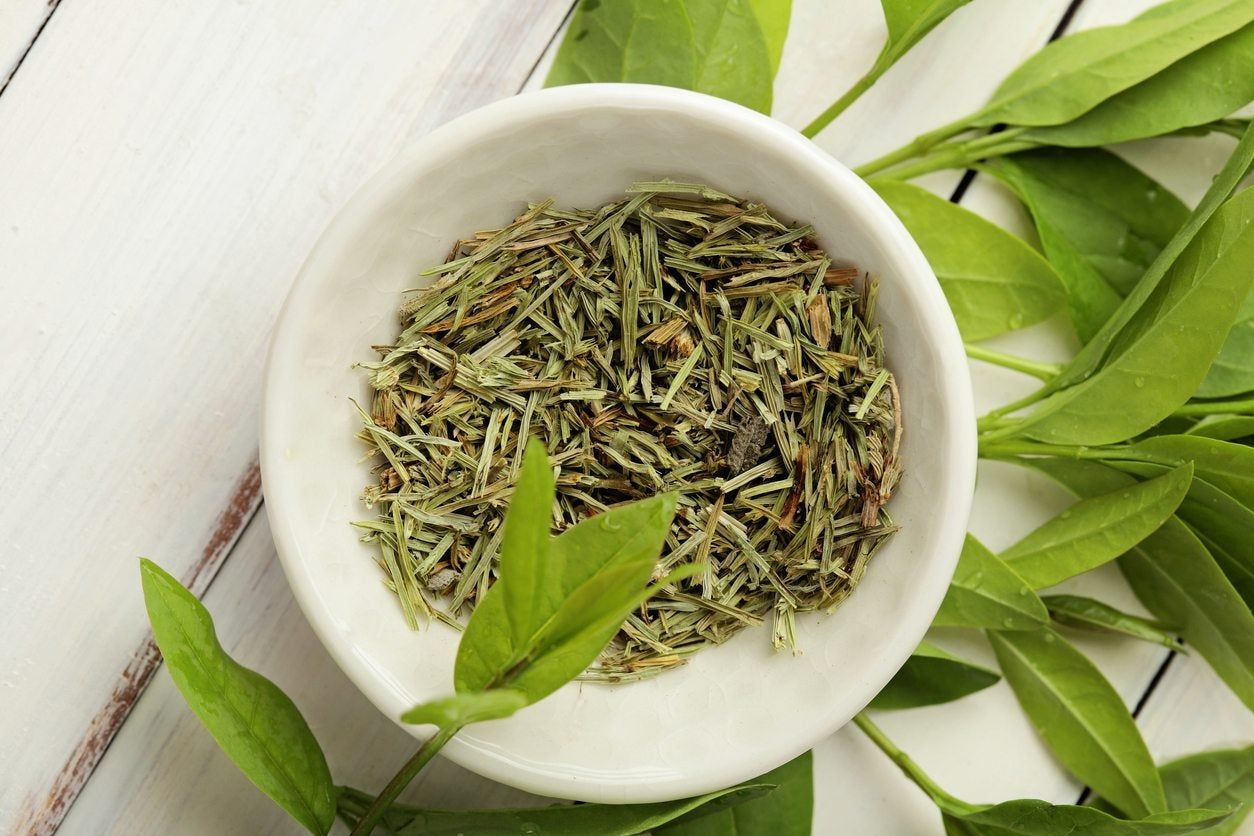
Mango green tea is a delicious fusion of high‑quality green tea leaves and fruity mango flavoring or real mango pieces. The result is an aromatic, slightly sweet, and refreshing beverage that retains the health benefits inherent to green tea while adding the tropical goodness of mango. Many commercial blends use mango extract, dried mango pieces, or natural mango flavor to create this infusion, but regardless of the specific blend, the foundational element is always green tea — a plant‑based drink renowned for its antioxidants.
Green tea itself has been consumed for centuries for its myriad benefits, largely due to compounds known as catechins, which act as powerful antioxidants in the body. These catechins, especially EGCG (epigallocatechin gallate), are frequently studied for their potential to protect cells, support heart health, and encourage metabolic balance.
When mango is added to green tea, you not only enjoy its sweet tropical notes but also benefit from additional vitamins A and C, dietary fiber, and beneficial plant compounds present in the fruit. Mangoes are rich in polyphenols and carotenoids — plant chemicals associated with antioxidant activity and immune support in the body.
Together, mango and green tea offer a drink that tastes delightful yet still delivers nutrition and wellness support, making it more than just a flavorful refreshment.

Nutritional Power of Mango + Green Tea
One of the major reasons people turn to mango green tea benefits is the combined nutritional strength of mango and green tea.
Green Tea’s Nutrients
Green tea on its own is rich in polyphenols — especially catechins like EGCG — which are compounds known for antioxidant activity. These antioxidants help neutralize harmful molecules known as free radicals, protecting cells from oxidative stress and supporting long‑term health.
Mango’s Contributions
Mango is naturally rich in vitamin C, a potent antioxidant that supports immune system function and collagen production. While the exact mango content in tea blends varies, even mango flavorings or extracts contribute some level of nutrients and phytonutrients associated with the fruit’s benefits. In real mango fruit, the presence of beta‑carotene, vitamin A, and dietary fiber has been linked with better skin health, immune defense, and digestive support.
Synergy Between Mango & Green Tea
When combined, mango and green tea bring together different types of antioxidants — catechins from the tea and vitamins from mango — creating a broader range of protective nutrients. These compounds help fight oxidative stress, support the immune system, support heart health, and aid digestion.
Together, the polyphenols, flavonoids, and vitamins promote better well‑being by supporting the body’s natural defense systems and metabolic processes. This is why many encourage drinking mango‑infused green tea as part of a balanced wellness routine.
10 Key Mango Green Tea Benefits
Here are the top 10 confirmed and potential benefits associated with drinking mango green tea regularly.
1. Rich in Antioxidants
Both mango and green tea are rich sources of antioxidants. Green tea catechins like EGCG help neutralize free radicals, reducing cellular stress and potentially lowering the risk of chronic disease over time. Mango also contains polyphenolic compounds that add to this antioxidant pool, helping protect lipids and proteins from oxidative damage.
2. Immune System Support
Vitamin C from mango is an essential nutrient for immune system health. It contributes to immune cell production and function. When combined with the antioxidant effect of green tea, this mix supports a more resilient immune response. Many mango green tea blends are marketed specifically for this benefit.
3. Heart Health Benefits
Green tea has been studied for supporting a healthy heart by improving circulation and helping reduce bad cholesterol levels. Mango’s antioxidants also contribute to cardiovascular health by fighting oxidative stress and potentially aiding in maintaining healthy blood pressure. Recent studies show that green tea’s antioxidants may help relax blood vessels and support heart function.
4. Supports Weight Management
Drinks like mango green tea can be a valuable addition to a weight management plan. Green tea’s catechins help support metabolism and fat oxidation, while mango’s natural sweetness helps satisfy sugar cravings without extra calories. While no beverage alone causes major weight loss, combined with a healthy diet, it can support metabolic boost and reduce appetite.
5. Aids Digestion
Green tea is known to soothe the digestive tract and support healthy gut function. Mango adds fiber and natural enzymes, helping ease digestion and reduce bloating after meals. A mug after eating can feel calming on your stomach and promote smoother digestion.
6. Blood Sugar Balance
Some studies suggest components found in mango leaves and teas made from mango leaf extracts can help improve how the body handles sugar and insulin, which may support blood sugar balance over time.
7. Healthy Skin & Radiance
Vitamin C is critical for collagen production — a protein that supports skin elasticity and firmness. Drinking mango green tea regularly adds hydration and antioxidants that help reduce oxidative stress on skin cells, potentially promoting a natural glow.
8. Mental Focus & Brain Function
Green tea contains L‑theanine, an amino acid that promotes alert focus without caffeine jitters. When consumed with mango, the flavonoids may also support cognitive function and help protect neurons from oxidative damage.
9. Hydration & Detox Support
Tea is an excellent way to stay hydrated, and mango green tea doubles as a flavorful alternative to plain water. Hydration, combined with antioxidant support, helps the body’s natural detoxification pathways work efficiently.
10. Metabolic Support
With antioxidants and vitamins working together, mango green tea supports natural metabolic processes — from energy production to nutrient absorption — helping you feel energized throughout the day without sugar spikes.
How to Brew Mango Green Tea for Maximum Benefits
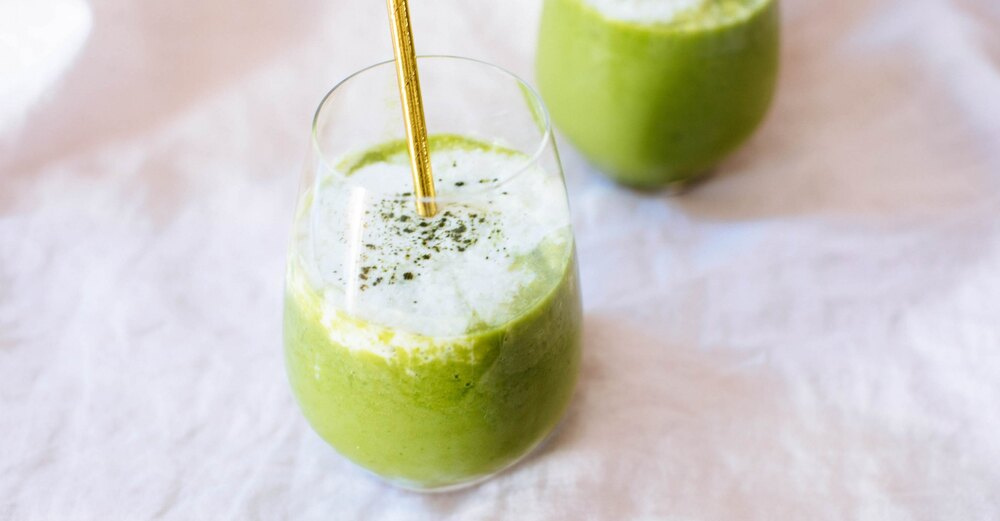
To get the most out of your mango green tea benefits, brewing it correctly matters.
| Step | Instructions |
|---|---|
| Ingredients | 1 teaspoon of green tea leaves (or 1 tea bag), 150–200 ml hot water, optional: fresh mango slices or honey |
| Heat Water | Warm water to 75–80°C (167–176°F). Avoid boiling water to prevent bitterness |
| Steep Leaves | Place tea leaves or tea bag in a teapot or cup and pour warm water over them |
| Steep Time | Let it steep for 2–3 minutes. Longer steeping intensifies flavor and antioxidants |
| Optional Enhancements | Add a slice of fresh mango or ½ teaspoon honey for natural sweetness |
| Enjoy Hot or Cold | Drink warm or cool for iced tea by letting it cool and pouring over ice |
Brewing with the right temperature preserves green tea’s delicate catechins while bringing out the bright, tropical notes of mango, delivering a refreshing cup every time.
Who Should Be Cautious
While mango green tea benefits are substantial, some individuals should drink it with awareness:
| Caution | Details |
|---|---|
| Sensitive to Caffeine | Green tea contains caffeine — typically less than coffee, but enough to affect sleep if consumed late in the day. |
| Iron Absorption | Green tea catechins can inhibit iron absorption, so people with anemia should monitor intake or separate tea from iron‑rich meals. |
| Blood Sugar or Blood Pressure Conditions | If you have diabetes or hypertension and are on medication, consult a healthcare provider before adding daily green tea, as interactions may occur. |
| Allergies | While rare, some individuals may be allergic to mango or tea proteins. Discontinue use if any allergic symptoms develop. |
These cautions are about drinking tea responsibly and not a reason to avoid it entirely. For most healthy adults, mango green tea is safe and beneficial as part of a balanced diet.
Frequently Asked Questions
Q1: What exactly is mango green tea?
Mango green tea is a blend of green tea and mango flavor or real mango pieces, combining the health benefits of green tea with the sweet, tropical taste and nutrients of mango.
Q2: How often should I drink mango green tea?
Most experts recommend 1–2 cups daily to enjoy benefits while avoiding excessive caffeine or potential nutrient absorption issues.
Q3: Does it help with weight loss?
Mango green tea does not cause weight loss alone, but its antioxidants — especially EGCG — help support metabolism, and the natural sweetness can reduce cravings, which may contribute to weight management when paired with a healthy lifestyle.
Q4: Can kids or pregnant women drink it?
Children and pregnant women should consult healthcare professionals before regular consumption due to caffeine content.
Q5: Does mango green tea affect blood sugar?
Some research suggests ingredients in mango leaves and green tea may help support blood sugar balance, but it’s not a substitute for medical treatment.
Q6: How is it different from regular green tea?
The main difference is the addition of mango — providing flavor, nutrients like vitamin C, and extra antioxidants — while regular green tea remains pure leaves without added fruit.
Conclusion
The mango green tea benefits extend far beyond its delicious tropical taste. By combining green tea’s powerful antioxidants with mango’s vitamins and phytonutrients, this infusion becomes more than a beverage — it’s a refreshing wellness drink that supports immunity, heart health, digestion, metabolism, and overall well‑being.
Whether you enjoy it hot on a cool morning or iced on a warm afternoon, mango green tea can be a great addition to your daily routine. Its natural ingredients work together to provide hydration, energy, and essential nutrients without excess calories or artificial additives.