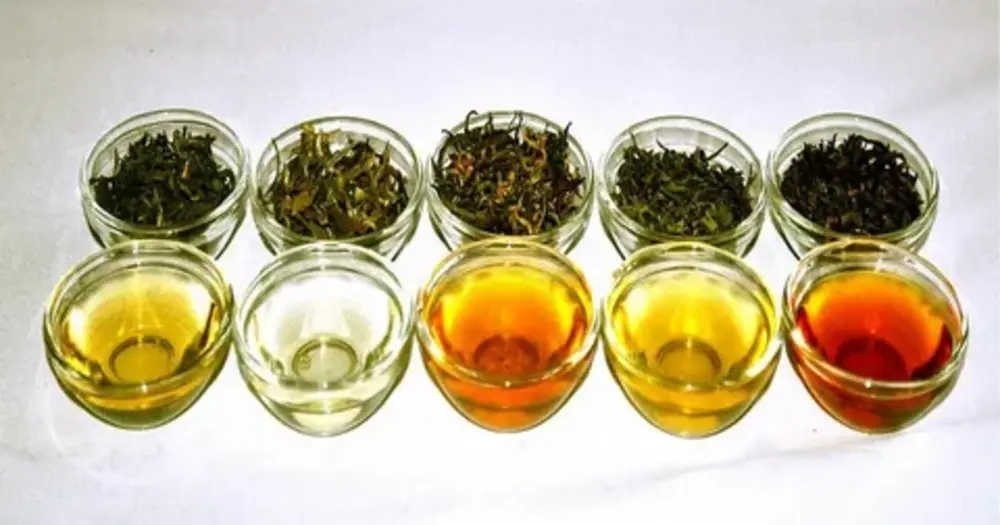
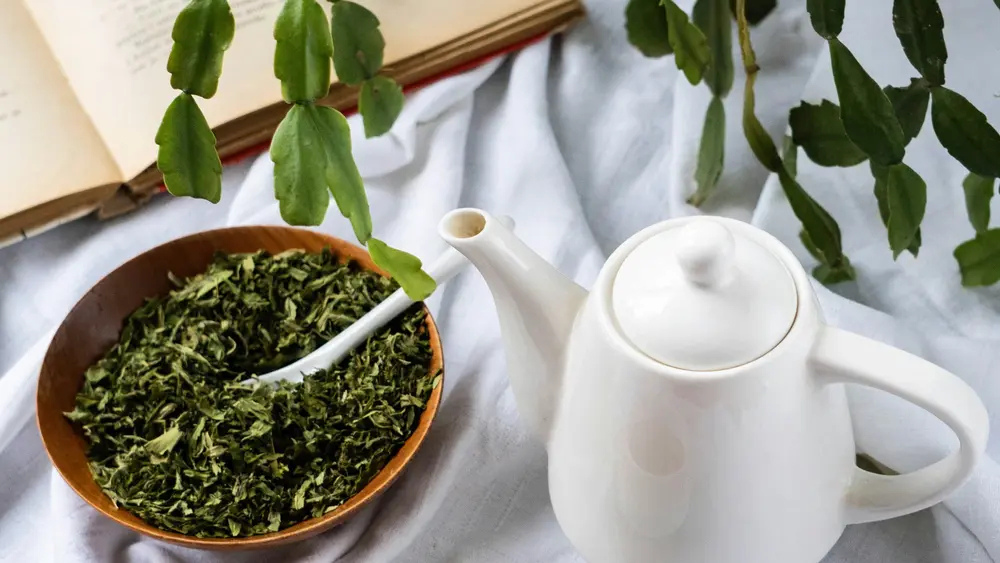
Green and white tea offer 9 proven health benefits, including antioxidants, better metabolism, and heart support. Learn how green.
Introduction
Green and white tea are two of the most celebrated beverages worldwide for their distinct flavors and remarkable health benefits. Both teas come from the same plant — Camellia sinensis — but tiny differences in how they are harvested and processed create unique characteristics and benefits. People often ask whether green tea or white tea is better, which offers more antioxidants, or how to choose based on personal goals like weight management, heart health, or stress relief. In this expert guide, we’ll break down the key differences, explore the science-backed benefits of green and white tea, explain how to brew each perfectly, and provide practical tips so you can enjoy both with confidence and knowledge.
What Are Green and White Tea?
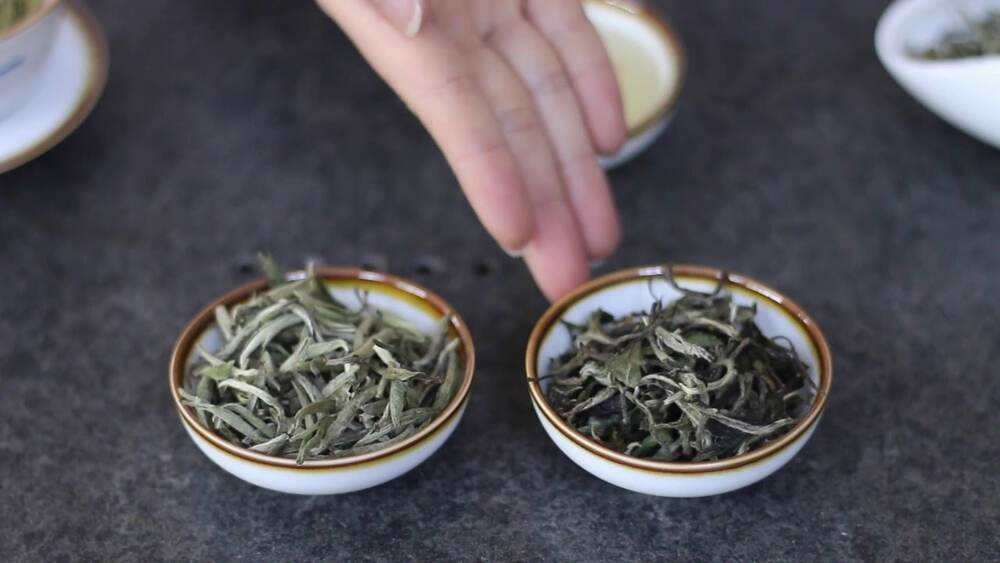
At their core, green and white tea originate from the same plant — Camellia sinensis — but the way the leaves are handled after picking makes all the difference. Green tea is made from leaves that are gently steamed or pan-fried shortly after harvesting to prevent oxidation. This process preserves many of the fresh, grassy compounds and nutrients in the leaves. White tea, on the other hand, undergoes even less processing: the leaves and buds are simply withered and dried, preserving more of their natural chemical components but resulting in a lighter flavor and gentler aroma.
Because white tea is less processed than even green tea, it often retains higher levels of natural polyphenols and antioxidants — plant compounds linked with health benefits. Meanwhile, green tea tends to contain a higher concentration of specific catechins, especially EGCG (epigallocatechin gallate), which has been studied extensively for its powerful activity in the body.

How They’re Made: Processing Differences
The biggest difference between green and white tea is in the processing:
- White Tea:
White tea is harvested early in the season and left to dry in minimal processing conditions. This gentle handling preserves delicate compounds and creates a nuanced, floral flavor profile that many tea lovers prefer. Because the leaves aren’t heated or rolled, the natural chemical structure remains largely intact — which can result in a high antioxidant count. - Green Tea:
Green tea leaves are quickly steamed or pan-fired after picking to stop oxidation. This step helps lock in beneficial compounds like EGCG and gives green tea its characteristic fresh, vegetal character. Because of this treatment, green tea has a slightly stronger flavor than white tea and slightly higher levels of certain catechins.
Brewing temperature and technique also differ because the delicate nature of each tea affects how flavors and nutrients are released. We’ll cover that more in the brewing section.
Nutritional Comparison: Antioxidants & Compounds
Both green and white tea are best known for their antioxidant profiles — powerful molecules that help neutralize free radicals and support long-term health.
Green Tea Nutrients
Green tea is rich in catechins, particularly EGCG, which has been studied for potential effects on heart health, metabolism, and even cognitive function. Many of green tea’s benefits are attributed to these compounds that remain stable due to early heat treatment in processing.
White Tea Nutrients
White tea also has high levels of antioxidants, including polyphenols and flavonoids. Because it is the least processed of the teas, white tea can sometimes retain a broader range of these compounds than green tea — especially those that are heat sensitive. This contributes to its reputation as one of the “purest” teas in terms of antioxidant activity.
Caffeine Levels
Both teas contain caffeine, but the amount varies. Green tea typically contains slightly more caffeine on average than white tea — making it a good choice if you want a gentle energy boost without the jitters. White tea’s lower caffeine can be perfect for late afternoons or sensitive individuals.
Overall, both teas provide valuable bioactive compounds. The choice comes down to taste preferences and health goals.
Health Benefits of Green and White Tea
Both green and white tea offer impressive health benefits, thanks to their rich content of antioxidants, polyphenols, and plant-based nutrients.
Heart Health Support
Studies show that people who drink antioxidant-rich teas regularly may have lower LDL (“bad”) cholesterol and better blood vessel function — which contributes to heart health. Both green and white tea contribute to this effect, but green tea’s EGCG has been studied more extensively for cardiovascular benefits.
Weight Management
Green tea has a well-deserved reputation for supporting metabolism. Research suggests that compounds like catechins and caffeine in green tea may slightly increase calorie burning and fat oxidation when combined with a healthy diet and exercise. White tea also supports weight management, and some lab research indicates it may help inhibit the formation of new fat cells.
Antioxidant & Anti-Inflammatory Protection
Both teas help reduce oxidative stress and inflammation, factors linked with aging and chronic disease. White tea — because it is minimally processed — often retains a high level of polyphenols that support cellular protection. Green tea’s catechins have also been associated with reduced markers of inflammation.
Brain Function & Focus
Caffeine and L-theanine — an amino acid found naturally in tea — work together to enhance focus and cognitive function without the overstimulation associated with coffee. This benefit applies to both green and white tea.
Immune System Benefits
The antioxidants in these teas help support immune defenses, potentially lowering the risk of certain illnesses when consumed regularly.
How to Brew Green and White Tea
Proper brewing ensures you get the best flavor and maximum benefit from both tea types.
| Tea Type | Water Temperature | Steep Time | Brewing Tip |
|---|---|---|---|
| Green Tea | 70–80°C (158–176°F) | 2–3 minutes | Avoid boiling water — it can make green tea taste bitter |
| White Tea | 80–85°C (176–185°F) | 4–5 minutes | Slightly cooler than boiling preserves delicate flavor and antioxidants |
Always start with fresh, filtered water and adjust steep times to your taste — some people enjoy multiple infusions from the same leaves.
Who Should Drink Which Tea
Both green and white tea are generally safe for most adults, but consider a few things:
- If you’re sensitive to caffeine or want tea later in the day, white tea’s lower caffeine might be preferable.
- People with acid reflux or stomach sensitivity might find moderate tea intake better than strong coffee — but excess tea can sometimes worsen symptoms. (consult a healthcare provider).
- Pregnant or breastfeeding individuals should discuss caffeine intake with a healthcare professional, as even tea contains stimulants.
- Some medications and supplements interact with tea compounds (especially iron absorption), so spacing tea consumption apart from iron-rich meals is wise.
Tea is best enjoyed as part of a balanced lifestyle with nutritious food and exercise.
FAQ
Q: Is green tea or white tea healthier?
Both are healthy. White tea often contains a broader antioxidant range due to minimal processing, while green tea has higher levels of certain catechins like EGCG.
Q: How many cups should I drink daily?
2–4 cups per day are typical for health benefits, but listen to your body and adjust if you’re sensitive to caffeine.
Q: Can tea help with weight loss?
Tea can support metabolism and calorie burning when combined with a healthy lifestyle. It’s not a magic solution, but it’s a helpful tool.
Q: Can children drink green and white tea?
Because of caffeine, tea isn’t recommended for very young children. Speak with a pediatrician for guidance.
Q: Does adding lemon or honey reduce benefits?
No — lemon can enhance absorption of antioxidants, and honey adds flavor. Just use moderation for sugar.
Conclusion
Green and white tea are both excellent choices for anyone seeking a healthy, flavorful beverage. Whether you prefer the more vegetal depth of green tea or the delicate floral notes of white tea, both offer antioxidant power, potential heart and brain benefits, and enjoyable ritual. Start with your taste preference, enjoy them regularly, and let your wellness goals guide your choice. A thoughtful tea habit can be a gentle yet effective addition to your overall health routine.