
“Boost focus with green tea for ADHD. Natural support for concentration and calmness. Learn how green tea can help daily.
What is ADHD and Why Lifestyle & Diet Matter
it can make concentrating on tasks difficult, create restlessness, interrupt sleep, and impair learning or work performance. Because ADHD influences brain function and self‑regulation, many experts believe that managing ADHD effectively calls for a combination of approaches — not only prescribed medication or therapy, but also lifestyle choices, diet, sleep, and stress management.
In recent years, there’s rising interest in whether natural dietary options — such as green tea — might offer supportive benefits for ADHD. That’s where the idea of “green tea ADHD” comes in: could a simple daily beverage help add calm, focus, or other cognitive support alongside conventional strategies?

Green Tea 101: What’s Inside a Cup
Green tea is more than just a soothing beverage — it’s packed with compounds that may influence brain function and attention. The most studied ingredients include L‑theanine, an amino acid known for promoting relaxed alertness; EGCG (epigallocatechin gallate), a powerful antioxidant; and a modest amount of caffeine, which can enhance focus without the jittery effect common in coffee. Together, these compounds may create a unique balance of calm and mental clarity, which is why researchers are exploring green tea’s potential in managing ADHD symptoms.
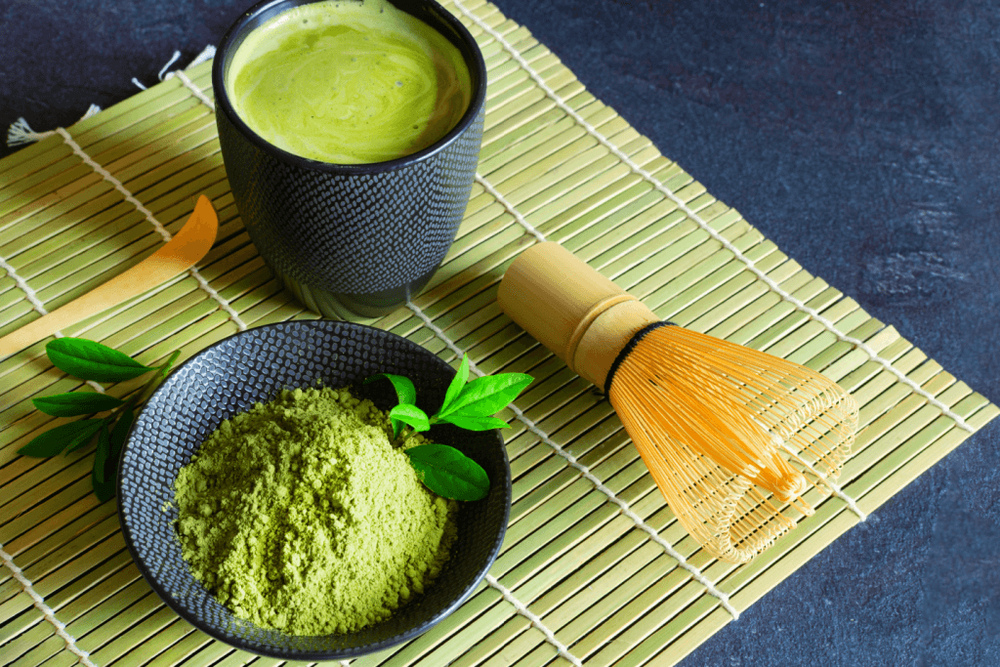
For people curious about green tea ADHD support, it’s helpful to note that not all green teas are created equal. Matcha, for example, contains concentrated levels of L‑theanine and catechins, while standard brewed green tea delivers milder amounts. Incorporating green tea into your daily routine could offer subtle cognitive and mood benefits, though it should complement, not replace, conventional ADHD treatments.
Evidence for Green Tea ADHD: What Studies Show
Research on green tea ADHD is still emerging, but early findings are promising. Several observational studies suggest that regular green tea consumption may be linked to improved attention and reduced hyperactivity. While these studies don’t prove causation, they highlight a potential role for compounds like L‑theanine and EGCG in supporting focus and calm.
Small clinical trials have explored L‑theanine supplementation, either alone or combined with caffeine, showing improvements in working memory, reaction time, and stress reduction — all relevant for managing ADHD symptoms. For example, participants often report a state of “relaxed alertness,” which may help counteract the impulsivity and restlessness seen in ADHD.
Animal studies also provide insights: antioxidants in green tea appear to protect neurons from oxidative stress, support neurotransmitter balance (dopamine, GABA, serotonin), and promote brain health. These mechanisms offer a plausible explanation for why green tea ADHD could have subtle cognitive and behavioral benefits.
Although more rigorous, large-scale human studies are needed, the combination of antioxidant, neuroprotective, and calming effects positions green tea as a potentially helpful natural ADHD aid — especially when incorporated alongside conventional therapies.

How Green Tea Might Help ADHD: Underlying Mechanisms
So how could green tea ADHD benefits actually work? The answer lies in the unique combination of bioactive compounds in green tea. L‑theanine is particularly noteworthy: it promotes a calm, focused state by increasing levels of GABA and dopamine, neurotransmitters essential for attention and emotional regulation. This may help reduce hyperactivity and impulsivity, two hallmark symptoms of ADHD.
Meanwhile, caffeine, present in moderate amounts, can enhance alertness and mental clarity without the overstimulation often associated with coffee. When combined with L‑theanine, caffeine’s effects are balanced, leading to “relaxed alertness” — a state that can support both focus and emotional control.
Another key compound, EGCG, is a potent antioxidant. Antioxidants protect neurons from oxidative stress and support brain health, potentially enhancing memory, attention, and overall cognitive function. Catechins in green tea also appear to modulate neurotransmitter activity, further supporting mental clarity.
Beyond these chemical effects, green tea ADHD benefits may extend to stress and anxiety reduction. Regular consumption has been linked to lower cortisol levels and improved mood, which can indirectly improve concentration and task completion.
While green tea is not a replacement for standard ADHD treatments, its combination of neurotransmitter support, antioxidant protection, and calming alertness offers a compelling, natural complement for managing ADHD symptoms.
How to Use Green Tea If You Have ADHD: Practical Tips
| Aspect | Guidance / Details |
|---|---|
| Daily Intake | 2–3 cups per day suggested to get beneficial L‑theanine and EGCG without excessive caffeine. |
| Concentrated Dose | Matcha powder offers higher L‑theanine because the whole leaf is consumed. |
| Timing | Morning or early afternoon to enhance focus; avoid late evening to prevent sleep disruption. |
| Brewing | Steep for 2–3 minutes at 175–185°F (80–85°C) to preserve L‑theanine and antioxidants without bitterness. |
| Lifestyle Pairing | Combine with balanced diet, adequate sleep, and structured routines to maximize potential ADHD benefits. |
| Important Note | Green tea is complementary, not a replacement for prescribed medications or therapy. |
What We Don’t Know Limitations & Cautions
While research on green tea ADHD is promising, there are important limitations to consider. Most studies so far are small, short-term, or observational, meaning they can show associations but not definitive cause-and-effect. Large-scale clinical trials specifically examining green tea’s impact on ADHD symptoms are still lacking.
Individual responses can vary. Some people may be sensitive to caffeine, experiencing jitters, insomnia, or increased heart rate. Green tea can also affect iron absorption, which is particularly important for children and adolescents. Additionally, the optimal dosage of L‑theanine and catechins for ADHD support is not yet established.
It’s crucial to view green tea as a complementary approach, not a replacement for standard ADHD treatment, therapy, or prescribed medications. Consulting with a healthcare professional before adding daily green tea, especially for children, ensures safety and supports an effective, holistic ADHD management plan.
FAQ
Q: Can drinking green tea cure ADHD?
A: No. While green tea ADHD benefits may support attention, calmness, and focus, it cannot replace prescribed treatments or behavioral therapy. Think of it as a complementary tool.
Q: How many cups per day are safe and effective?
A: Most research suggests 2–3 cups daily or 1–2 servings of matcha. This provides L‑theanine and EGCG while keeping caffeine moderate. Individual tolerance may vary.
Q: Can children with ADHD drink green tea?
A: Children can consume small amounts, but caffeine sensitivity must be considered. Always consult a pediatrician before regular consumption.
Q: Is matcha better than regular green tea for ADHD?
A: Matcha contains higher levels of L‑theanine and catechins since the whole leaf is consumed. It may provide stronger green tea ADHD benefits, but caffeine content is also higher.
Q: Are there any risks or side effects?
A: Side effects are rare but may include sleep disruption, jitteriness, or reduced iron absorption. Moderation is key.
Conclusion
Green tea offers a unique blend of compounds — L‑theanine, EGCG, and caffeine — that may support calmness, focus, and overall brain health, making it a promising complementary approach for green tea ADHD management. Evidence suggests it can help improve attention, reduce restlessness, and promote relaxed alertness, though it’s not a substitute for prescribed medications or therapy.
Practical use is straightforward: 2–3 cups per day, ideally earlier in the day, or a serving of matcha, combined with a balanced lifestyle and structured routines. While research continues, incorporating green tea thoughtfully may provide subtle cognitive and emotional benefits for both children and adults with ADHD, helping them navigate daily challenges with greater focus and calm.

My name is Fatima Bibi. I am a health and wellness writer with over five years of research experience in green tea, herbal remedies, and natural living. I study scientific research, health articles, and traditional practices to provide accurate and easy-to-understand information. My goal is to share simple, practical tips that help people improve their daily health naturally. Through my website, I publish well-researched content about green tea benefits, weight management, skincare, and overall wellness. I believe small healthy habits can create long-term positive changes and help people live a balanced, healthier life naturally.