Discover 7 amazing benefits of good Chinese green tea, from antioxidants and heart support to boosting metabolism. Learn how to enjoy this healthy tea daily.
Introduction
Known for its delicate flavor, subtle aroma, and powerful health benefits, it has been enjoyed for centuries. From ancient tea ceremonies to modern wellness routines, good Chinese green tea holds a special place in tea culture. Unlike generic green teas, high-quality Chinese green tea is carefully cultivated, harvested, and processed to preserve nutrients and natural flavors. People often wonder how to choose the best tea, which varieties are worth trying, and how to brew it perfectly to enjoy both taste and benefits. In this guide, we will explore what makes green tea truly good, highlight the top Chinese green tea varieties, explain health benefits backed by research, provide expert brewing tips, and answer common questions. By the end, you’ll know exactly how to select, brew, and savor your cup of authentic Chinese green tea.
What Is Good Chinese Green Tea?
Good Chinese green tea comes from the Camellia sinensis plant and is minimally processed to preserve natural compounds. What sets it apart from lower-quality teas is the meticulous attention given to cultivation, picking, and processing. The best teas are harvested at the right time, usually early spring, when the leaves are tender and packed with nutrients.
Key characteristics of good Chinese green tea include:
- Fresh Aroma: High-quality leaves emit a natural, grassy, or floral fragrance without musty notes.
- Vibrant Color: Leaves are bright green with a glossy finish.
- Smooth Taste: The flavor is delicate, slightly sweet, and free from bitterness.
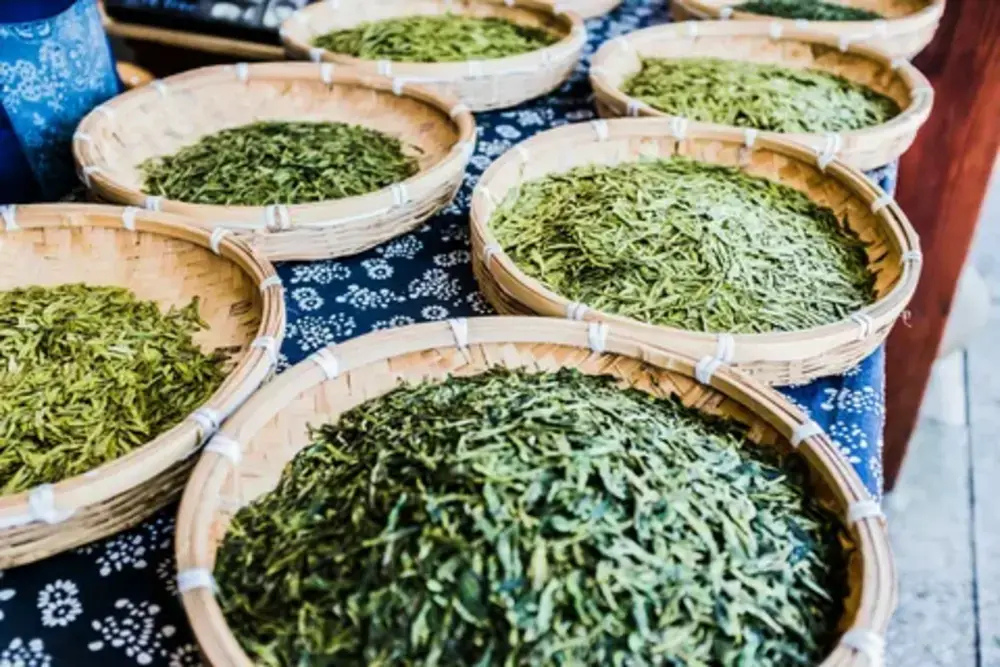
- Loose Leaf Form: Whole leaves generally indicate quality, while broken or powdered leaves are often inferior.
Examples of premium Chinese green teas include Longjing (Dragon Well), Bi Luo Chun, and Mao Feng. Each has unique flavors and aromas, reflecting the region, altitude, and cultivation techniques. Understanding these traits helps tea lovers differentiate genuine products from mass-produced alternatives.
High-quality Chinese green tea also contains higher levels of catechins and antioxidants, making it beneficial for health and wellness.
Top Types of Chinese Green Tea
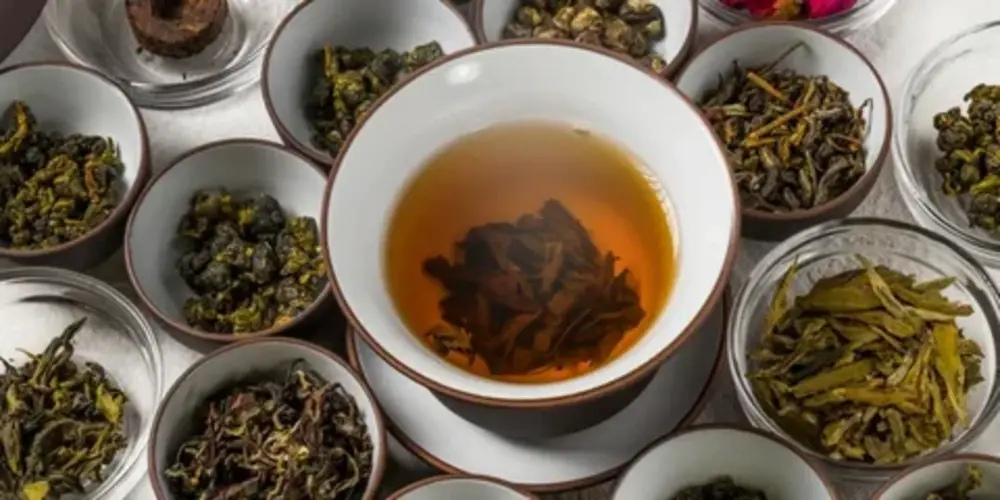
China is home to hundreds of green tea varieties, each with distinct characteristics. Here are some of the most popular and highly regarded types:
- Longjing (Dragon Well Tea):
Originating from Hangzhou, Zhejiang, Longjing is pan-fried to produce a flat, smooth leaf. It has a fresh, nutty flavor and is rich in antioxidants. - Bi Luo Chun:
Known as “Green Snail Spring,” Bi Luo Chun comes from Jiangsu province. Its tightly rolled leaves have a floral aroma and a refreshing, slightly sweet taste. - Mao Feng:
Grown in Huangshan, Mao Feng has large, tender leaves with a light, mellow flavor. It is harvested early in spring, making it highly prized. - Huangshan Maofeng:
Similar to Mao Feng, this tea features delicate buds with a subtle fruity aroma and refreshing taste. - Lu An Gua Pian:
Grown in Anhui, this tea has broad leaves without buds. Its sweet, smooth flavor is perfect for those who prefer less astringency.
Each tea variety reflects its local terroir, and selecting the right type depends on personal taste preferences and intended use — whether for daily drinking, meditation, or ceremonial enjoyment.
How to Identify High-Quality Tea
Choosing good Chinese green tea requires paying attention to several factors:
- Leaf Appearance: Whole, unbroken leaves are ideal. Avoid teas with many stems or dust.
- Aroma: High-quality tea smells fresh, not stale. The scent should be bright, floral, or grassy.
- Taste Test: Brew a small portion. Premium tea has a smooth, slightly sweet flavor without bitterness.
- Origin: Authentic teas usually list their origin and region, which indicates proper cultivation.
- Harvest Date: Early spring teas are generally more tender and flavorful.
By carefully evaluating these characteristics, tea lovers can ensure they’re investing in a premium product that provides both superior taste and maximum health benefits.
Health Benefits of Good Chinese Green Tea
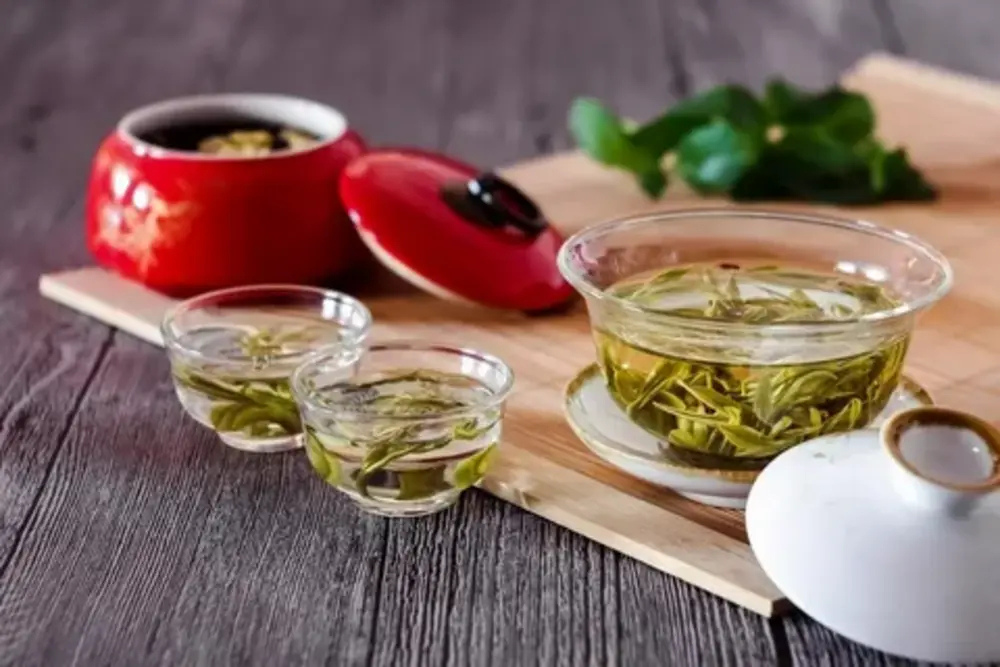
Good Chinese green tea offers numerous health advantages, thanks to its high content of antioxidants, polyphenols, and bioactive compounds:
- Rich in Antioxidants:
Catechins, particularly EGCG, help neutralize harmful free radicals, reducing oxidative stress and supporting overall wellness. - Heart Health:
Regular consumption may help reduce LDL cholesterol and improve blood vessel function, lowering the risk of cardiovascular disease. - Weight Management:
Green tea may enhance metabolism and support fat oxidation when combined with a healthy diet and exercise routine. - Cognitive Benefits:
L-theanine and caffeine in green tea improve focus, alertness, and cognitive performance without causing jitteriness. - Immune Support:
Polyphenols and vitamins in good Chinese green tea help strengthen immunity and may reduce the severity of colds and infections. - Blood Sugar Regulation:
Studies suggest green tea may support healthy blood sugar levels, making it beneficial for people with glucose management concerns. - Skin Health:
Antioxidants in green tea protect against skin aging and inflammation, promoting a healthier complexion. - Detoxification:
The natural compounds in green tea support liver function and help the body eliminate toxins efficiently.
6. How to Brew Chinese Green Tea Perfectly
Brewing good Chinese green tea requires precision:
General Tips:
- Use fresh, filtered water.
- Avoid boiling water; it can scorch delicate leaves.
- Measure tea accurately — usually 2 grams per 150 ml water.
Brewing Temperature & Time Table:
| Tea Type | Water Temperature | Steep Time | Brewing Tip |
|---|---|---|---|
| Longjing | 75–80°C (167–176°F) | 2–3 minutes | Use flat leaves gently; avoid oversteeping to prevent bitterness |
| Bi Luo Chun | 80°C (176°F) | 2–3 minutes | Tight rolled leaves open gradually; multiple infusions possible |
| Mao Feng | 80–85°C (176–185°F) | 3–4 minutes | Maintain delicate aroma; avoid boiling water |
| Huangshan Maofeng | 80°C (176°F) | 2–3 minutes | Light, tender buds release flavor quickly |
| Lu An Gua Pian | 80–85°C (176–185°F) | 3 minutes | Brew carefully for smooth, sweet taste |
Brewing Method:
- Warm the teapot or cup.
- Add tea leaves.
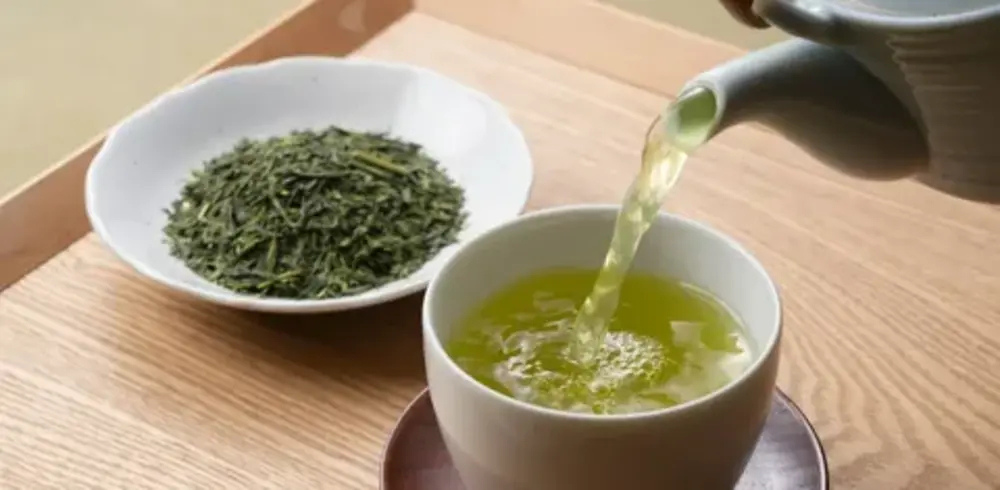
- Pour water at correct temperature.
- Steep for recommended time.
- Pour and enjoy; multiple infusions are common for premium teas.
Tips for Storing Chinese Green Tea
Proper storage maintains flavor and nutrients:
- Keep away from light: Store in opaque containers.
- Avoid moisture: Tea absorbs humidity easily.
- Maintain cool temperature: Store in a dry, cool place, not in the fridge.
- Air-tight containers: Protect against oxygen to preserve aroma.
- Separate from strong odors: Tea absorbs surrounding smells, which can affect flavor.
Common Mistakes When Brewing
Avoid these pitfalls:
- Using boiling water — scorches leaves, creates bitterness.
- Oversteeping — releases too many tannins, harsh taste.
- Using old or poorly stored tea — flavor and benefits degrade.
- Adding sugar or milk — can mask delicate flavors and reduce antioxidant absorption.
- Reusing water that has boiled repeatedly — reduces oxygen content, affecting infusion quality.
FAQ
Q: What makes Chinese green tea “good”?
A: High-quality leaves, fresh aroma, smooth flavor, proper harvesting, and minimal processing.
Q: How many cups per day are ideal?
A: 2–4 cups is typical for health benefits. Avoid excessive intake due to caffeine.
Q: Can green tea help with weight loss?
A: Yes, it supports metabolism and fat oxidation, but results require a healthy lifestyle.
Q: Can I brew the same leaves multiple times?
A: Yes, premium teas like Longjing can be infused 2–3 times, with flavor gradually changing.
Q: Does adding lemon or honey affect benefits?
A: Lemon can enhance antioxidant absorption, honey adds flavor — moderate use is fine.
Conclusion
Good Chinese green tea is more than just a beverage — it’s a tradition, a wellness tool, and a sensory delight. From Longjing to Bi Luo Chun, each variety offers unique flavors and health benefits. Proper brewing and storage ensure the maximum taste and nutrient content. Incorporating high-quality Chinese green tea into your daily routine can boost immunity, support heart and brain health, aid in weight management, and provide a calming ritual. By selecting premium leaves, following brewing guidelines, and enjoying tea mindfully, you’ll experience why this ancient drink remains a global favorite.