
Does Twinings green tea have caffeine? Discover how much caffeine is in each cup and tips for brewing the perfect cup.
Introduction
Are you wondering: does Twinings green tea have caffeine? It’s a common question, especially if you’re thinking of swapping coffee for tea, trying to cut down on stimulants, or simply curious about what’s in your cup. Some people assume green tea is caffeine‑free because it feels gentler than coffee. In this article, we’ll walk you through what caffeine level to expect in a cup of Twinings green tea, how it compares to coffee or black tea, and whether it suits your lifestyle or dietary needs. By the end, you’ll have a clear, evidence‑based answer — no guesswork.
What is Twinings Green Tea?
Twinings is an established tea brand offering a wide range of teas — including green teas derived from the leaves of the Camellia sinensis plant. Green tea differs from black tea in its processing: leaves are harvested, quickly heated or steamed, and dried, limiting oxidation. This minimal processing helps retain more of the natural antioxidants and preserves a lighter, more delicate flavor. Because of this lighter processing, green tea has a different chemical profile than black tea — including its caffeine content, taste, and antioxidant properties. Twinings’ green tea blends are popular worldwide for those seeking a balanced, milder alternative to coffee or strong black tea.
Does Twinings Green Tea Contain Caffeine?
Yes, Twinings green tea does contain caffeine, though in a gentler amount compared to coffee or black tea. All green teas naturally have caffeine because they come from the Camellia sinensis plant, which produces this natural stimulant. While some people assume green tea is caffeine-free due to its subtle flavor and calming effect, it still provides a mild boost in alertness and focus.
The exact caffeine content can vary depending on the blend, the tea leaves’ origin, and the preparation method. Twinings openly lists caffeine in some of its products, showing that even green tea bags contain enough to give you a moderate energy lift without the jitteriness often associated with coffee. If you’re sensitive to caffeine, it’s important to note that drinking multiple cups throughout the day can add up, so monitoring your intake is wise.
How Much Caffeine Is in a Cup of Twinings Green Tea?
| Topic | Details |
|---|---|
| Caffeine in a Cup of Twinings Green Tea | ~30–40 mg per 200 ml cup (varies by blend, leaf quality, and brewing method) |
| Comparison with Coffee | 8 oz cup of coffee: 80–120 mg caffeine → Green tea is milder and gentler |
| Factors Affecting Caffeine Content | – Steeping time (longer = more caffeine)- Water temperature (hotter = more caffeine)- Loose leaf vs. tea bag (bagged tea releases caffeine faster)- Cup size (larger cup may dilute caffeine) |
| Variation by Blend | Flavored or sencha blends may have slightly more or less caffeine |
| Benefits of Moderate Caffeine | Provides alertness, antioxidants, improved focus without jitters or overstimulation compared to coffee |
How Brewing Method
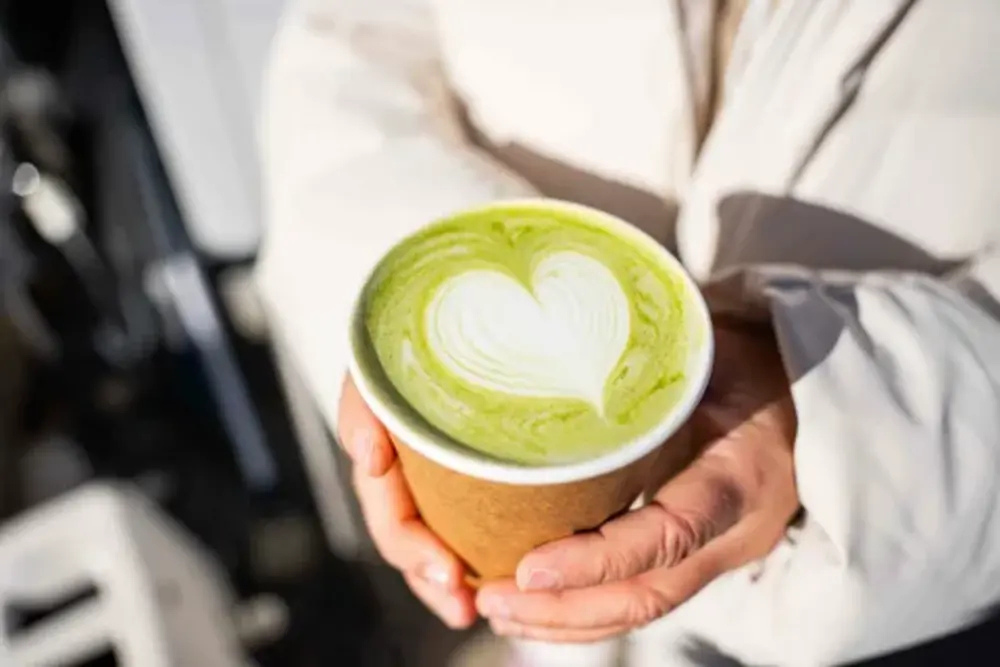
The caffeine level in your cup of Twinings green tea isn’t fixed—it depends heavily on how you brew it. Several key factors influence how much caffeine ends up in your tea
| Factor | Effect on Caffeine Content |
|---|---|
| Steeping Time | Longer steeping releases more caffeine; 1–2 min = less caffeine, 4–5+ min = more caffeine |
| Water Temperature | Hotter water extracts more caffeine but can make the flavor bitter; ideal is 70–80°C (158–176°F) |
| Leaf Form | Bagged tea (finely crushed) releases caffeine faster; loose leaf releases it more gradually |
| Amount of Tea Used | Using more tea per cup increases caffeine content |
| Cup Size | Larger cups dilute caffeine per volume; smaller cups concentrate it |
Understanding these variables helps you control your caffeine intake without switching to decaf. If you’re watching your caffeine levels or enjoy multiple cups a day, adjusting steep time or water temperature is a simple, effective way to fine-tune your intake while enjoying the rich flavor and antioxidants Twinings green tea offers.
Green Tea vs Other Beverages: How Caffeine Compares
When it comes to caffeine, Twinings green tea falls comfortably between mild and moderate levels, making it an ideal alternative for those who want a gentle energy boost. On average, a cup of Twinings green tea contains 30–40 mg of caffeine, whereas black tea generally ranges from 40–70 mg per cup, depending on the blend and brewing time. Coffee, by comparison, is significantly stronger, with 80–120 mg of caffeine per 8 oz cup, making green tea a milder, less stimulating choice.
This difference explains why many people find green tea calming despite its caffeine content. Energy drinks, which can contain 80–200 mg of caffeine per serving, far exceed the levels found in a cup of Twinings green tea. For those sensitive to caffeine, green tea offers a balanced option that provides alertness without the jitteriness, headaches, or rapid heart rate that can sometimes accompany coffee or energy drinks.
If you’re looking for a moderate, health-conscious source of caffeine, Twinings green tea delivers both flavor and function. Its combination of caffeine and antioxidants supports mental focus and overall well-being, making it a practical choice for daily consumption.

Who Should Watch Their Caffeine Intake: Health & Lifestyle Considerations
While Twinings green tea contains moderate caffeine, certain individuals may need to monitor their intake. People sensitive to caffeine—those who experience jitters, insomnia, or increased heart rate—should limit consumption or choose decaf options. Pregnant or breastfeeding individuals are also advised to watch caffeine levels, as excessive intake can affect both mother and baby.
Additionally, people with certain medical conditions, like heart arrhythmias or anxiety disorders, may benefit from moderating caffeine intake. Even though green tea has lower caffeine than coffee, drinking multiple cups throughout the day can accumulate, sometimes exceeding recommended daily limits. The general guideline for healthy adults is up to 400 mg of caffeine per day, meaning about 10 cups of green tea could approach that upper limit.
FAQ
1. Is Twinings green tea caffeine-free?
No, Twinings green tea contains naturally occurring caffeine. A standard cup typically has 30–40 mg, less than coffee but enough to provide a gentle energy boost.
2. How many cups of Twinings green tea can I drink per day?
Most healthy adults can safely consume up to 10 cups per day, but moderation is key, especially if you also drink coffee or other caffeinated beverages.
3. Does steeping longer increase caffeine?
Yes, longer steeping times and hotter water extract more caffeine from the tea leaves. A shorter steep produces a milder cup.
4. Is green tea safer than coffee for sensitive people?
Generally, yes. Green tea has less caffeine and contains calming compounds like L-theanine, which help reduce jitteriness.
Conclusion
In summary, does Twinings green tea have caffeine? Yes—it contains moderate amounts, typically 30–40 mg per cup, providing a gentle boost without the intensity of coffee or energy drinks. Brewing methods, steep time, and leaf type can influence the exact caffeine content, so you can adjust your cup to suit your needs. For those sensitive to caffeine or seeking a completely caffeine-free option, Twinings’ decaf and herbal teas offer excellent alternatives without sacrificing flavor or enjoyment.

My name is Fatima Bibi. I am a health and wellness writer with over five years of research experience in green tea, herbal remedies, and natural living. I study scientific research, health articles, and traditional practices to provide accurate and easy-to-understand information. My goal is to share simple, practical tips that help people improve their daily health naturally. Through my website, I publish well-researched content about green tea benefits, weight management, skincare, and overall wellness. I believe small healthy habits can create long-term positive changes and help people live a balanced, healthier life naturally.