
Differences between black tea and green tea explained with 5 must-know health benefits, antioxidants, and wellness advantages.
Differences Between Black Tea and Green Tea
Whether it’s a fresh start to the morning or a relaxing moment in the evening, tea has become an essential part of many cultures. Both black tea and green tea come from the Camellia sinensis plant, yet there are significant differences in their taste, color, processing methods, and health benefits. In this article, we will explain the differences between black tea and green tea in detail to help you choose the best option for your lifestyle.

Difference in Processing Method
The biggest difference between black tea and green tea lies in how they are processed.
Black tea leaves are first withered, then rolled, and fully oxidized. This oxidation process gives black tea its dark color and strong, bold flavor.
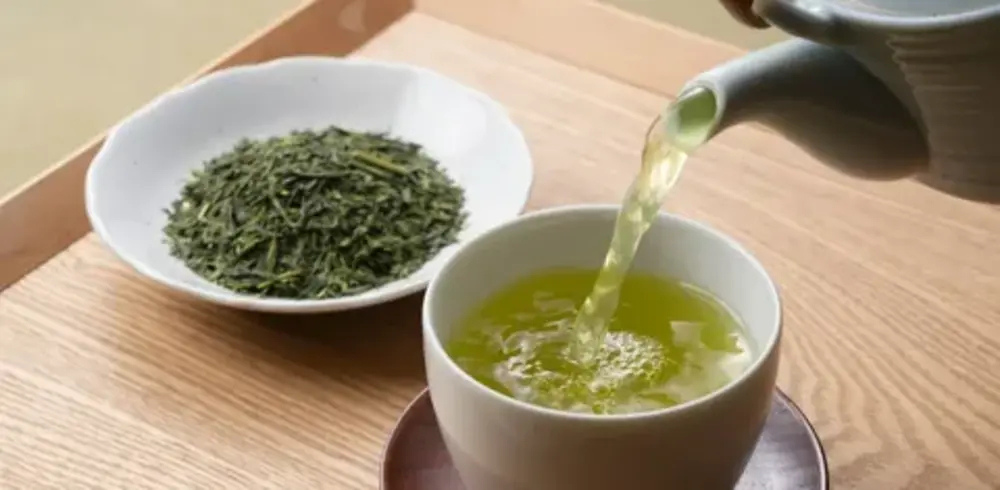
In contrast, green tea undergoes minimal oxidation. The leaves are quickly heated either by steaming (Japanese style) or pan-frying (Chinese style) to stop oxidation. As a result, green tea retains its light green color and fresh, delicate taste.
Difference in Taste and Flavor
Black tea has a strong, bold, and sometimes slightly bitter taste. This is why many people prefer to add milk, sugar, or lemon to black tea.
Green tea, on the other hand, has a milder, earthy, and refreshing flavor. At first, it may taste a bit plain to some people, but over time, many grow to appreciate its natural and clean taste.
If you enjoy strong and robust tea, black tea is a better choice. For a light and refreshing drink, green tea is ideal.

Caffeine Content
| Tea Type | Caffeine Content (per cup) | Best For |
|---|---|---|
| Black Tea | 40–70 mg | Morning energy boost |
| Green Tea | 20–40 mg | Limiting caffeine intake |
Antioxidants and Health Benefits
Green tea is well known for its high antioxidant content. It contains catechins, especially EGCG (Epigallocatechin gallate), which help improve metabolism and support fat burning.
Black tea also contains powerful antioxidants, such as theaflavins and thearubigins. These compounds are beneficial for heart health and help regulate cholesterol levels.
Both teas support the immune system, but green tea is often preferred for weight loss and detox purposes.
Weight Loss and Metabolism
Green tea is especially popular for weight loss. Its antioxidants help boost metabolism and support the body in burning calories more efficiently.
Black tea can also aid in weight management by improving gut health and digestion. However, if your main goal is weight loss, green tea is generally considered more effective.
Heart Health Benefits
According to research, both black tea and green tea are beneficial for heart health.
Black tea helps regulate blood pressure and reduce bad cholesterol (LDL).
Green tea helps relax blood vessels and reduce inflammation, which supports long-term heart health.
Which Tea Is Better?
The answer depends on your personal preferences and health goals.
If you prefer a strong taste and higher caffeine content, black tea is the better choice.
If you are looking for detox benefits, weight loss support, and lower caffeine, green tea is the best option.
Conclusion
To summarize the differences between black tea and green tea, both types of tea offer unique benefits. The main differences lie in their processing methods, taste, caffeine levels, and health advantages. Black tea is ideal for energy and heart health, while green tea is popular for weight loss and its rich antioxidant content.
In the end, the best tea is the one that suits your taste and lifestyle. You can even include both black tea and green tea in your daily routine and enjoy the benefits of each

My name is Fatima Bibi. I am a health and wellness writer with over five years of research experience in green tea, herbal remedies, and natural living. I study scientific research, health articles, and traditional practices to provide accurate and easy-to-understand information. My goal is to share simple, practical tips that help people improve their daily health naturally. Through my website, I publish well-researched content about green tea benefits, weight management, skincare, and overall wellness. I believe small healthy habits can create long-term positive changes and help people live a balanced, healthier life naturally.