Whole green tea leaves offer better flavor and health benefits. Discover how to brew, store, and choose the best tea leaves easily.
What is Whole Green Tea Leaves
Unlike tea bags that usually contain broken particles or dust, whole leaves preserve the natural structure, flavor, and nutrients of the tea plant. For anyone serious about tea quality, switching to whole green tea leaves can make a noticeable difference.
The experience goes beyond taste. From the moment you open the package, you’ll notice a fresh aroma that signals quality. When brewed properly, whole green tea leaves deliver a smoother, more balanced cup without bitterness. Whether you’re new to tea or upgrading your daily routine, understanding whole green tea leaves can help you get the most out of every cup.
What Are Whole Green Tea Leaves?
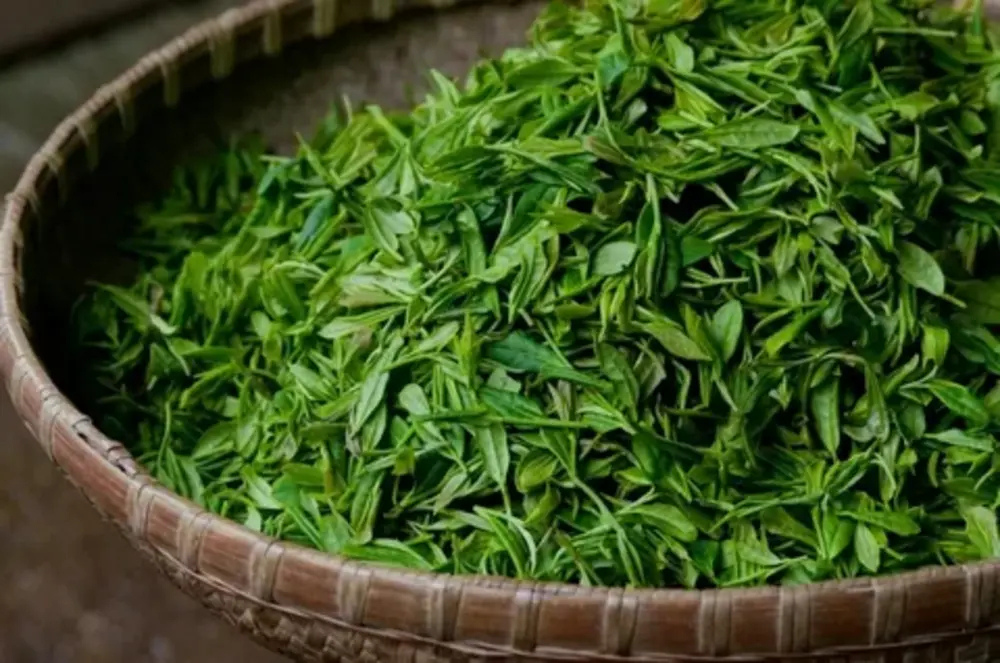
Whole green tea leaves are exactly what the name suggests—tea leaves that remain intact after processing. Unlike crushed or powdered tea, these leaves are carefully handled to maintain their natural shape. This preservation plays a key role in both flavor and quality.
The production process involves minimal oxidation. After harvesting, the leaves are quickly heated—usually through steaming or pan-firing—to lock in their green color and fresh characteristics. Because the leaves are not broken down, they retain more essential oils and antioxidants.
Whole leaf tea is often associated with premium green tea varieties. It allows the leaves to unfurl during brewing, releasing layers of flavor gradually. This results in a more complex and enjoyable tea-drinking experience compared to standard tea bags.
Why Choose Whole Green Tea Leaves Over Tea Bags?
Choosing whole green tea leaves over tea bags comes down to quality and experience. Tea bags often contain smaller particles known as “dust” or “fannings.” These brew quickly but usually lack depth and can taste bitter.
In contrast, whole green tea leaves provide a slower, more controlled infusion. As the leaves open up in hot water, they release flavor in stages. This creates a richer and more balanced taste. You’re also more likely to enjoy multiple infusions from the same leaves, making them cost-effective in the long run.
Another advantage is transparency. With whole leaf tea, you can see the quality of the leaves—something you don’t get with tea bags. This makes it easier to judge freshness and authenticity.
From a health perspective, whole green tea leaves retain more nutrients, making them a better choice for those seeking the full benefits of green tea leaves.
Flavor Profile and Aroma
Whole green tea leaves offer a clean and refreshing flavor profile. The taste is typically mild, with subtle vegetal notes and a hint of natural sweetness. Some varieties may also have nutty or floral undertones.
Fresh tea leaves produce a light, grassy scent that feels natural and inviting. Unlike processed tea, the fragrance is not overpowering.
Because the leaves are intact, the flavor develops gradually during brewing. This layered taste is what makes whole leaf tea appealing to tea enthusiasts. Each sip feels balanced and smooth, making it suitable for daily consumption.
Health Benefits of Whole Green Tea Leaves
Whole green tea leaves are rich in antioxidants, particularly catechins.Drinking antioxidant rich tea regularly may contribute to better immune function.
One of the key benefits is improved metabolism. Many people drink green tea to support weight management, as it may help the body burn calories more efficiently.
Whole green tea leaves are also known for their calming effect. Thanks to L-theanine, they promote focus and relaxation at the same time.
In addition, green tea leaves benefits include potential support for heart health.
Because whole leaves retain more nutrients than broken tea, they offer a more complete health profile. Incorporating whole green tea leaves into your routine is a simple way to support long-term wellness.
How to Brew Whole Green Tea Leaves Properly
| Step | Details |
|---|---|
| Water Temperature | Use water between 75–85°C. Avoid boiling water as it can damage the leaves and cause bitterness. |
| Tea Quantity | Add about one teaspoon of loose leaf green tea per cup. |
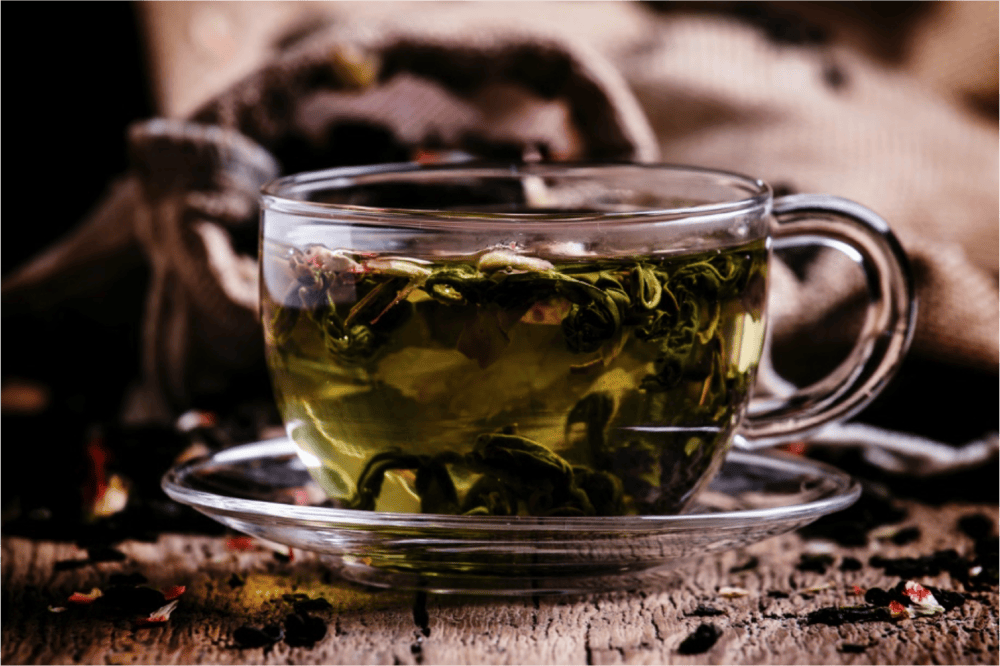
| Brewing Method | Place the leaves in a teapot or infuser, then pour hot water over them. |
| Re-steeping | Whole leaf tea can be re-steeped multiple time |
How to Choose High-Quality Whole Green Tea Leaves
When selecting whole green tea leaves, look for leaves that are intact and uniform in size. Avoid products with too many broken pieces, as this may indicate lower quality.
Color is another important factor. High-quality leaves should appear vibrant green. Dull or brownish tones may suggest old or poorly stored tea.
Freshness matters. Always check the harvest or packaging date when possible. Fresh tea offers better flavor and aroma.
Packaging should be airtight and light-resistant to protect the leaves. Buying from reputable sellers also increases your chances of getting premium green tea.
Storage Tips for Freshness
Store whole green tea leaves in an airtight container away from light, heat, and moisture.
Avoid storing tea near strong odors, as it can absorb smells easily. Proper storage helps preserve both flavor and nutritional value for a longer time.
FAQ
Q1: Are whole green tea leaves better than tea bags?
Yes, they offer better flavor, aroma, and nutritional value.
Q2: How long do whole green tea leaves last?
Typically 6–12 months if stored properly.
Q3: Can I reuse whole green tea leaves?
Yes, high-quality leaves can be steeped multiple times.
Q4: Do whole green tea leaves contain caffeine?
Yes, but usually less than coffee.
Q5: Are they good for daily use?
Yes, moderate daily consumption is beneficial.

My name is Fatima Bibi. I am a health and wellness writer with over five years of research experience in green tea, herbal remedies, and natural living. I study scientific research, health articles, and traditional practices to provide accurate and easy-to-understand information. My goal is to share simple, practical tips that help people improve their daily health naturally. Through my website, I publish well-researched content about green tea benefits, weight management, skincare, and overall wellness. I believe small healthy habits can create long-term positive changes and help people live a balanced, healthier life naturally.