Learn about Vietnamese green tea, its unique taste, health benefits, main varieties, and easy brewing tips for daily use.
What Is Vietnamese Green Tea?
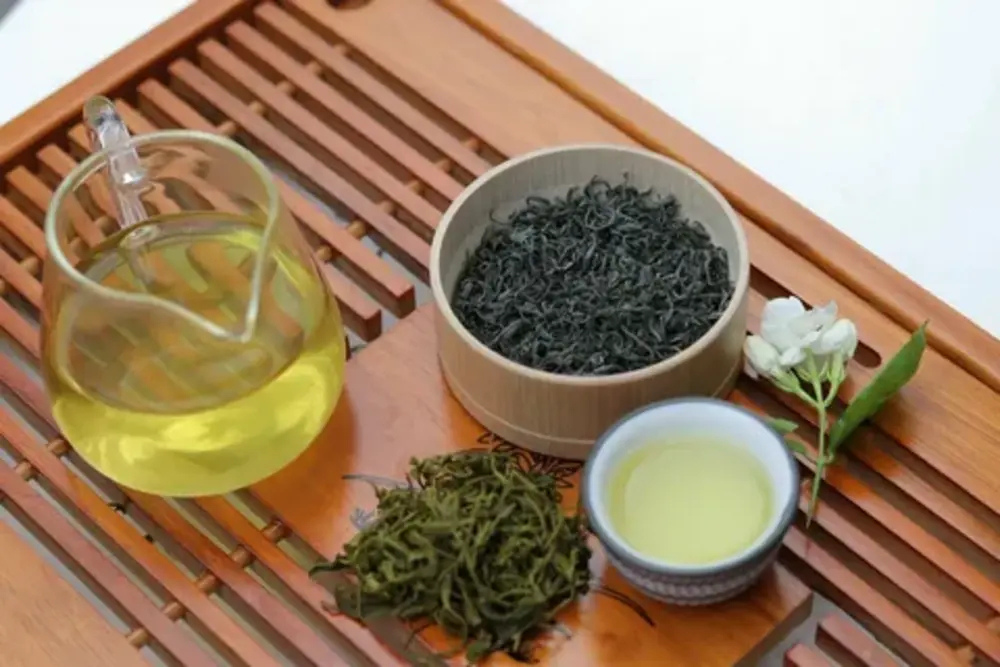
Vietnamese green tea is more than just a beverage — it’s a cultural emblem of Vietnam’s ancient tea heritage. Unlike most commercial teas, Vietnamese green tea is traditionally grown in mountain regions, often hand-picked at peak freshness before minimally processing to preserve its vibrant color and nutrients.
In Vietnam, green tea (locally called chè xanh) is one of the most popular types of tea consumed daily. It’s enjoyed in family homes, at traditional ceremonies, and as a refreshment offered to guests. Vietnamese green tea has been gaining international recognition for its unique flavor profile — fresh, slightly grassy, and sometimes floral or sweet — that stands apart from other Asian green teas like Japanese matcha or Chinese Long Jing.
Whether you’re sipping a cup by yourself in the morning, sharing a pot with friends, or exploring Vietnamese tea culture during travel, Vietnamese green tea offers both taste and tradition in every sip.
History & Cultural Roots
Vietnam’s tea culture stretches back centuries, with tea drinking originally associated with meditative and scholarly pursuits. Historically, tea was more than just a daily drink — it was a social ritual linked with poetry, hospitality, and relaxation.
Vietnam’s oldest tea trees are believed to be over 1,000 years old, still standing in highland regions and producing some of the richest leaves in the world. Over time, regions such as Thái Nguyên, Lâm Đồng, and Hà Giang became renowned for their distinctive green teas.
Traditional Vietnamese tea customs involve serving green tea during family gatherings and festivals, especially Lunar New Year (Tết). Offering a cup of green tea to guests is considered a sign of respect and a gesture of friendship. Even today, while coffee culture grows in Vietnam, green tea remains deeply rooted in daily life, cherished by both older and younger generations alike.
This deep cultural history gives Vietnamese green tea its character — an authentic, mindful beverage born from both tradition and nature.
Main Types of Vietnamese Green Tea
Vietnam’s diverse geography produces several popular types of Vietnamese green tea, each with its own taste and character:
Thái Nguyên Green Tea
Grown in northern Vietnam, Thái Nguyên tea is perhaps the country’s most famous green tea. It’s known for a full-bodied flavor with a balance of mild bitterness and sweet aftertaste.
Lotus Tea (Trà Sen)
One of the most iconic Vietnamese teas is lotus tea (trà sen). This tea involves scenting green tea leaves with real lotus flowers — sometimes using thousands of blossoms per kilogram — to infuse a delicate floral aroma. Lotus tea is often enjoyed during special occasions or as a ceremonial drink due to its subtle fragrance and calming taste.
Jasmine-Infused Green Tea
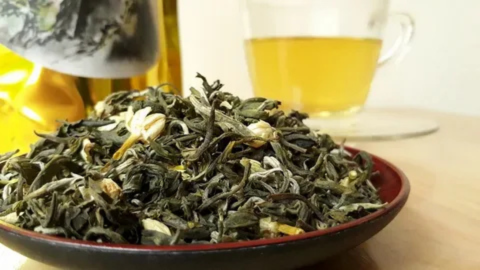
Aromatic jasmine green tea is another beloved variation. Here, fresh jasmine flowers are layered with green tea so the leaves absorb their scent, resulting in a soft floral note that enhances the tea’s natural sweetness.
Regional & Specialty Varieties
Other Vietnamese green teas include high-mountain varieties with unique terroir, Pekoe and Orange Pekoe leaf grades, and organically grown blends from isolated highlands. These teas range from light and floral to bold and earthy, offering a rich exploration for tea lovers.
Each type captures a distinct aspect of Vietnam’s tea heritage — from field to cup — showcasing the country’s rich biodiversity and artisanal tea craftsmanship.
Health Benefits of Vietnamese Green Tea
One of the biggest reasons Vietnamese green tea has attracted global interest is its health benefits. Packed with natural antioxidants and beneficial compounds, this tea is not only delicious but very good for your body.
Antioxidants & EGCG
Green tea — including Vietnamese green tea — contains high levels of catechins such as epigallocatechin-3-gallate (EGCG), powerful antioxidants that help neutralize harmful free radicals in the body.
Heart Health
Research suggests that drinking green tea regularly may help lower levels of LDL (“bad”) cholesterol and promote heart health. By improving blood vessel function and reducing oxidative stress, green tea can support overall cardiovascular well-being.
Brain Function & Mood
Vietnamese green tea contains caffeine paired with L-theanine — a unique combination that may enhance alertness while promoting calm focus. Studies show this mix can improve memory, concentration, and mental clarity.
Metabolism & Weight Management
Some studies indicate that green tea may boost metabolic rate and support weight management efforts, thanks in part to its ability to enhance fat oxidation.
Skin & Anti-Aging
The antioxidants in green tea help protect the skin from environmental damage and support natural repair processes. Whether sipped or used topically, green tea compounds may improve skin appearance and reduce signs of aging.
Blood Sugar & Diabetes Support
Green tea can help regulate blood sugar levels and improve insulin sensitivity, making it a beneficial choice for people concerned about type 2 diabetes risk.
In short, Vietnamese green tea offers a well-rounded set of health-promoting properties that go far beyond a comforting daily drink.
How to Brew Vietnamese Green Tea Like a Pro
Brewing the perfect cup of Vietnamese green tea is simple yet rewarding. Here’s a step-by-step guide:
| Step | Instructions |
|---|---|
| Use Fresh, Good Quality Leaves | Loose-leaf tea preserves more flavor than pre-packaged bags. |
| Water Temperature | Heat water until just before boiling (75–80°C / 170–176°F). Too hot and the tea becomes bitter. |
| Steeping Time | Steep for 1–3 minutes depending on leaf quality and strength desired. |
| Multiple Infusions | Many Vietnamese green teas can be re-steeped 2–3 times. Each infusion reveals new flavor layers. |
| Serve & Enjoy | Pour into small cups and sip slowly to appreciate the nuanced aroma and taste. |
For lotus scented varieties, brief steeping helps preserve the floral notes without overwhelming sweetness. Adjust steep time slightly shorter if using scented tea.
Vietnamese Green Tea vs Other Green Teas
- Flavor Profile – Often less vegetal than Japanese green tea, with more floral or delicate sweet notes depending on the variety.
- Caffeine Content – Generally moderate, higher than some Japanese teas but lower than strong black teas.
- Processing Style – Traditional pan-fired or sun-dried methods preserve unique regional flavors not found in heavily oxidized teas.
While all green teas offer health benefits, Vietnamese green tea has distinctive traits:
Vietnamese green tea combines freshness and complexity, making it a versatile choice for both beginners and connoisseurs.
Buying & Storing Guide
| Category | Tips |
|---|---|
| Choosing Tea | Look for loose-leaf teas from reputable growers in regions like Thái Nguyên or Lâm Đồng. |
| Avoid overly broken leaves; whole leaves retain more aroma. | |
| For lotus or jasmine infused tea, opt for natural scenting methods rather than artificial flavoring. | |
| Storage Tips | Keep tea in an airtight container away from light, heat, and moisture. |
| Use within 6–12 months for best flavor. |
FAQ
Q1: Is Vietnamese green tea good for daily drinking?
Yes — moderate consumption (2–3 cups daily) offers antioxidant support and refreshment.
Q2: Does it have caffeine?
Yes, but typically less than coffee and varies by type.
Q3: What’s the best way to brew lotus tea?
Use cooler water (around 70°C / 158°F) and brief steeping (1–2 min) to preserve floral aroma.
Q4: Can I drink Vietnamese green tea iced?
Absolutely — iced green tea is refreshing and preserves many health benefits.
Q5: Is lotus green tea better than regular green tea?
Not better — just different. Lotus tea offers a unique floral scent, while regular green tea has a purer vegetal profile.
Conclusion
Vietnamese green tea is more than just a refreshing drink—it represents centuries of tradition, craftsmanship, and a deep connection to nature. With its clean taste, subtle aroma, and rich antioxidant content, it has earned its place among the most respected green teas in the world. From the bold character of Thái Nguyên green tea to the delicate floral notes of lotus-scented trà sen, each variety offers a unique experience that reflects Vietnam’s diverse tea culture.
Beyond flavor, Vietnamese green tea provides meaningful health benefits, including support for heart health, metabolism, mental clarity, and overall wellness. Its gentle caffeine content and easy brewing process make it suitable for everyday consumption, whether enjoyed hot or iced.

My name is Fatima Bibi. I am a health and wellness writer with over five years of research experience in green tea, herbal remedies, and natural living. I study scientific research, health articles, and traditional practices to provide accurate and easy-to-understand information. My goal is to share simple, practical tips that help people improve their daily health naturally. Through my website, I publish well-researched content about green tea benefits, weight management, skincare, and overall wellness. I believe small healthy habits can create long-term positive changes and help people live a balanced, healthier life naturally.