“Explore Mao Jian green tea: top 5 picks, expert brewing tips, and health benefits for a flavorful and refreshing daily tea ritual.”
Introduction
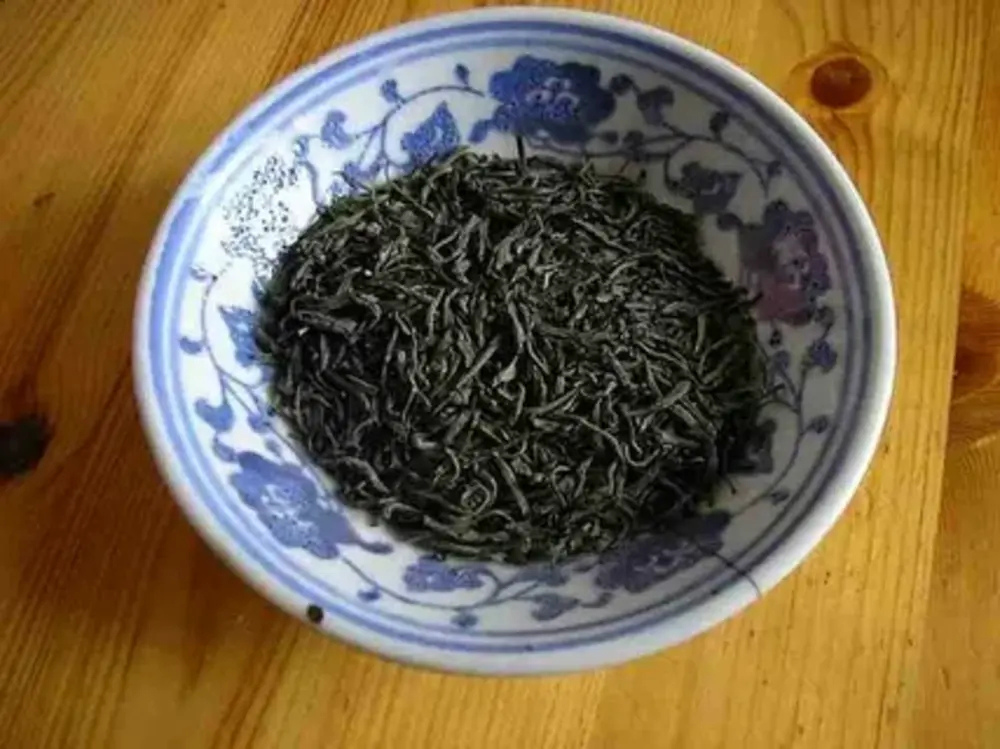
If you’ve ever wondered what makes some green teas stand out, Mao Jian green tea deserves your attention. Known for its delicate appearance, subtle sweet notes, and rich cultural heritage, it’s one of China’s most respected green teas and a favorite among both casual drinkers and tea enthusiasts. Unlike many mass-produced teas, Mao Jian has a distinctive look — tightly rolled leaves crowned with fine “fur tips,” which signal young, premium-quality tea leaves. This feature gives the tea its name — Mao Jian literally means “hairy tip” or “fur tips.”
In this guide, you’ll learn what Mao Jian tea is, where it comes from, how to brew it properly, and why it is so highly valued. Whether you are new to Chinese green tea or want to deepen your knowledge, this article will provide expert insights and practical tips to enhance your tea experience.
What is Mao Jian Green Tea?
At its core, Mao Jian green tea is a traditional Chinese green tea known for its slender, needle-like leaves covered with soft “fur tips.” These hairs are not just decorative — they indicate that the leaves are young and tender, picked early in the spring season.
Mao Jian is most famously grown in areas like Xinyang in Henan Province, where the misty mountains and fertile soil create ideal conditions for high-quality tea cultivation. The name Mao Jian reflects this unique feature. In Chinese, translates to “hairy tip,” referring to the fine down on the leaves. These hairs help retain aromatic oils and nutrients, giving Mao Jian a delicate, complex flavor and fragrance.
When brewed correctly, the tea produces a light green liquor with a fresh, vegetal aroma. Its taste blends grassy brightness with gentle sweetness and a smooth, lingering finish, making it a favorite for daily enjoyment or special tea moments.
Origin and History of Mao Jian
Mao Jian green tea has a rich history that spans centuries. One of the most famous varieties, Xinyang Mao Jian, is deeply rooted in Chinese tea culture. This tea is grown in the shadow of the Dabie Mountains, where abundant rainfall and fertile land have made tea farming a long-standing tradition.
Traditionally, Mao Jian leaves are hand-picked in early spring, sometimes before mid-April, when the youngest buds are at their most tender. The leaves are then carefully pan-fried to stop oxidation, preserving their bright green color and fresh aroma.
The production of Mao Jian has always required skilled craftsmanship. Its labor-intensive harvesting and delicate processing meant that historically, it was considered a premium tea, often enjoyed by scholars and nobility. Today, Mao Jian remains one of China’s most cherished green teas, celebrated for its refined taste, quality leaves, and cultural significance.
Flavor Profile & Aroma Explained
One of the first things you’ll notice about Mao Jian green tea is its inviting aroma. Unlike stronger teas, it offers a delicate balance of scents — fresh grassy notes, subtle floral hints, and a touch of nuttiness.
The brewed tea is usually a pale green or light golden-green color, depending on the growing region and processing method. Its flavor starts with vegetal notes reminiscent of spring grass or asparagus, followed by a gentle sweetness and mild nuttiness. The finish is smooth and clean, without any heaviness or bitterness.
This layered taste makes Mao Jian an ideal tea for daily drinking. It is light and refreshing enough to enjoy throughout the day, yet complex enough to savor slowly, sip by sip, for those who appreciate fine green teas.
Health Benefits Backed by Science
Like other high-quality green teas, Mao Jian is rich in antioxidants, catechins, and polyphenols — compounds known to support health. One important catechin, EGCG, is linked to heart health and metabolic benefits.
Studies show that flavonoids in Mao Jian may improve glucose metabolism and support gut health. Research suggests that these compounds can enhance insulin sensitivity and support beneficial gut bacteria, helping regulate blood sugar. Other studies indicate that extracts from Mao Jian may improve digestion and gastrointestinal function.
While tea is not a replacement for medical treatment, drinking Mao Jian can be part of a healthy lifestyle. Its antioxidants help reduce oxidative stress and may support cardiovascular health by promoting healthy cholesterol levels and better circulation.
Drinking one or two cups daily can provide a mild caffeine boost without the jitters associated with stronger caffeinated drinks. This makes it a great choice for maintaining focus and energy while enjoying a soothing, flavorful beverage.

How to Brew Mao Jian Green Tea (Expert Tips)
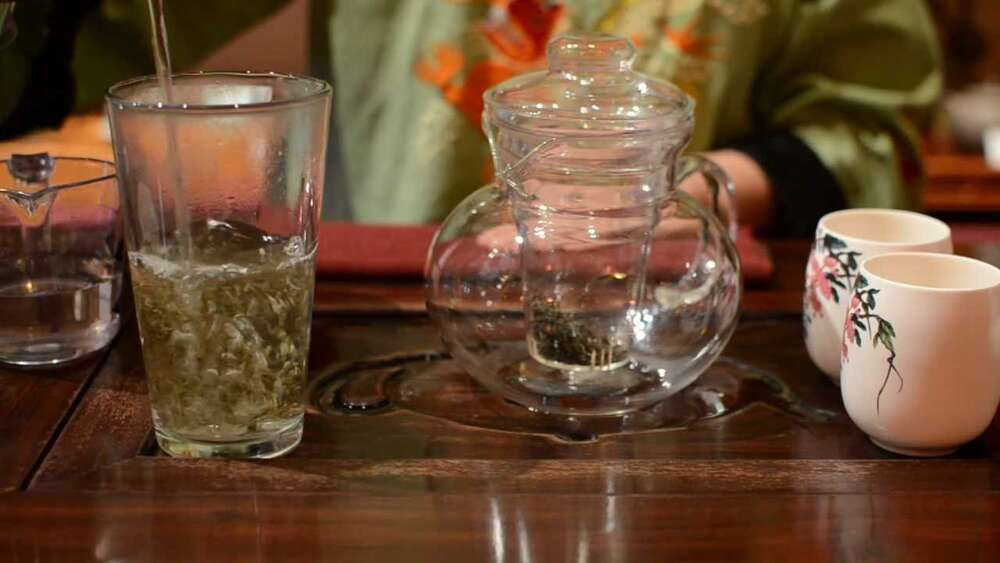
Brewing Mao Jian green tea correctly requires a gentle touch. Using water that is too hot or steeping too long
| Step | Instructions |
|---|---|
| Water Temperature | 75–85°C (167–185°F) to avoid bitterness |
| Tea Amount | 2–3 grams per 250 ml of water |
| Steeping Time | 2–3 minutes for the first infusion; increase by 10–30 seconds for later infusions |
| Multiple Infusions | Can be brewed 3–5 times without losing flavor |
| Additional Tips | Avoid boiling water; use a glass teapot or gaiwan to watch leaves unfurl and control strength; tea should be smooth, bright, and full of grassy, floral, and sweet notes |
Mao Jian vs Other Chinese Green Teas
Mao Jian is often compared to teas like Longjing or Biluochun, but it stands out:
- Leaf Appearance: Mao Jian’s “fur tips” are a unique hallmark.
- Flavor Profile: Longjing has a flatter, chestnut-like taste, while Mao Jian balances vegetal freshness with subtle sweetness and complexity.
- Aroma: Mao Jian has floral and grassy notes without the roasted backbone of some other green teas.
Overall, Mao Jian offers a refined, lively experience, combining the elegance of traditional Chinese green tea with its own distinct character.
Common Mistakes When Brewing
Many beginners use boiling water, which scorches the leaves and produces bitterness. Over-steeping or using too much tea can also overpower the subtle flavors. Remember that with fine green teas, less is often more. Using moderate water temperatures and short initial infusions brings out the delicate flavors and aromas that make Mao Jian special.
FAQs
Q1. Is Mao Jian green tea caffeinated?
Yes. Like most green teas, it contains natural caffeine, usually less than black tea or coffee.
Q2. How should I store Mao Jian tea?
Store in an airtight container in a cool, dry place, away from light and strong odors.
Q3. Can I drink Mao Jian every day?
Yes. Its mild caffeine and antioxidants make it suitable for daily consumption.
Q4. What are “fur tips”?
They are tiny downy hairs on young tea leaves, indicating tenderness and quality.
Q5. How many times can I steep Mao Jian?
Premium Mao Jian can usually be steeped 3–5 times, with later infusions revealing more subtle flavors.
Q6. Does Mao Jian have health benefits?
Yes. Its antioxidants support metabolism, heart health, and digestive wellness as part of a balanced lifestyle.
Conclusion
Mao Jian green tea is more than just a beverage — it’s a cultural and sensory experience. Its delicate flavor, sweet undertones, and health benefits make it a tea worth savoring. By learning how to brew and appreciate Mao Jian, you can transform your tea-drinking routine into a mindful daily ritual. With proper care and preparation, each cup can awaken your senses and provide a soothing, refreshing experience that reflects centuries of Chinese tea tradition.