Right now you said: “Green Tea Bitter”, but if you have a new keyword, just send it so I can create the meta title including it.
Why Is My Green Tea Bitter?
Green tea is celebrated worldwide for its delicate flavor, antioxidants, and health benefits. Yet, many tea enthusiasts encounter a common problem: green tea bitter taste. This bitterness can make even high-quality tea hard to enjoy, leading some to avoid it altogether. The good news is that bitterness usually comes from a combination of natural compounds like catechins, tannins, and caffeine, as well as common brewing mistakes. In this guide, we’ll explore why green tea becomes bitter, practical tips to fix it, advanced brewing techniques, and how to enjoy a smooth, flavorful cup every time

Causes of Bitter Green Tea
Understanding why your green tea tastes bitter is the first step to brewing a smoother cup. Bitterness in green tea arises from two main sources: natural compounds in the leaves and common brewing errors.
1. Natural Compounds
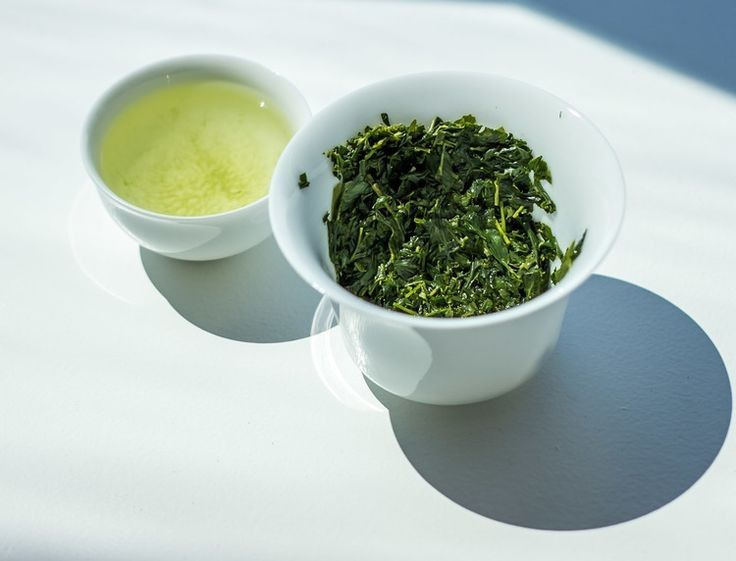
Green tea leaves are rich in catechins, tannins, and caffeine, which contribute to bitterness and astringency. Catechins are antioxidants responsible for both health benefits and a slightly sharp taste. Tannins create that dry, puckering sensation in your mouth, while caffeine adds a mild bitter note when over-extracted. On the other hand, amino acids like L-theanine provide natural sweetness and umami, balancing the taste — but these compounds are delicate and easily overshadowed by aggressive brewing.
2. Brewing Mistakes
Many bitter cups of green tea result from simple brewing errors:
- Water temperature too high: Boiling water (100°C) extracts excessive tannins and caffeine, creating harsh bitterness.
- Over-steeping: Leaving leaves in hot water for too long pulls out too many astringent compounds.
- Incorrect leaf-to-water ratio: Using too many leaves makes the tea overly concentrated and bitter.
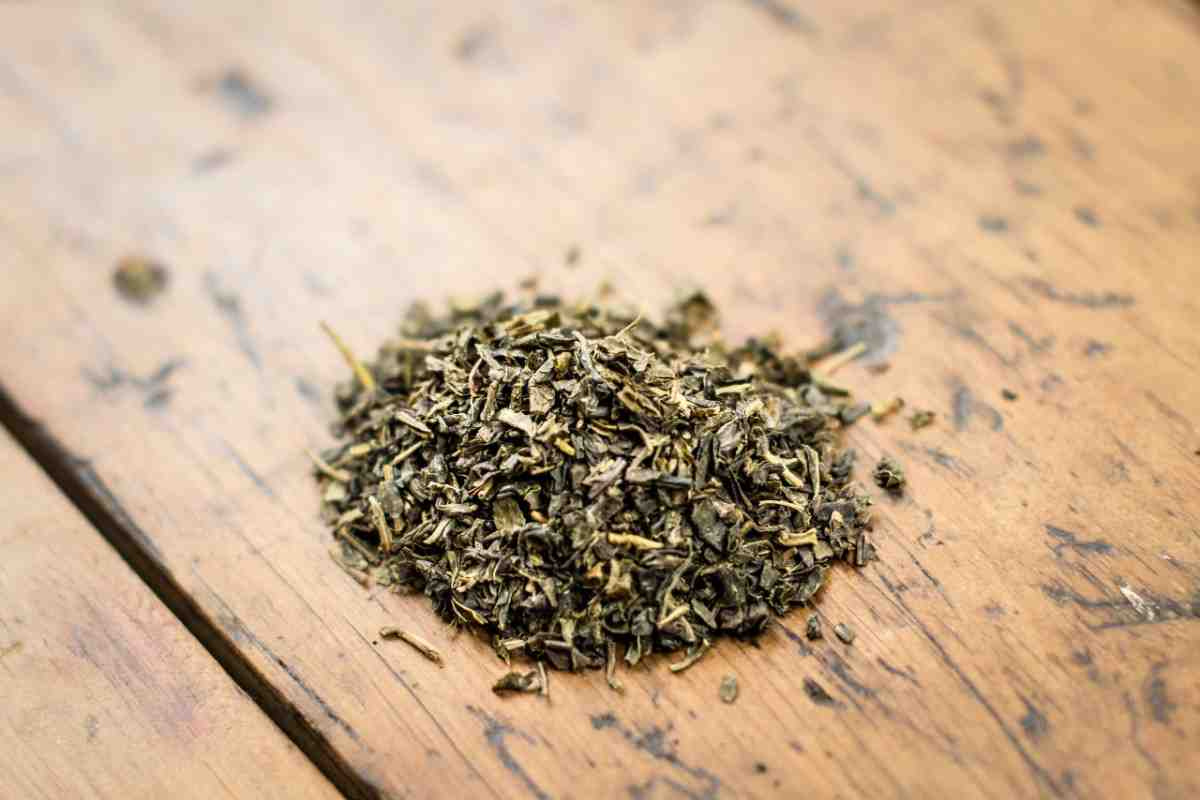
- Low-quality or stale tea: Broken or old leaves release bitterness faster than fresh, whole leaves.
- Poor water quality: Hard or mineral-rich water can react with polyphenols, amplifying bitter flavors.
- Improper storage: Exposure to light, air, or moisture degrades leaves, intensifying bitterness.
By recognizing these causes, you can adjust your brewing method to reduce the bitter compounds and highlight the smooth, delicate flavors that make green tea so enjoyable.
Practical Tips to Fix Bitter Green Tea
| Tip | Explanation / How to Apply |
|---|---|
| 1. Use the Right Water Temperature | Heat water to 70–85 °C (158–185 °F). Let boiling water cool for 2–3 minutes before pouring. Prevents scorching and reduces bitterness. |
| 2. Control Steeping Time | Steep for 1–3 minutes (1–2 minutes for delicate Japanese teas). Use a timer to avoid over-extraction. |
| 3. Measure Leaves Accurately | Use 1 teaspoon (≈2 g) of loose-leaf tea per 240 ml (8 oz) water. Avoid adding too many leaves. |
| 4. Choose High-Quality, Fresh Leaves | Loose-leaf tea is smoother than bagged. Store in airtight container away from light and moisture to preserve freshness. |
| 5. Optional Rinse | Rinse leaves briefly (5–10 seconds) with hot water and discard rinse water. Reduces surface dust and initial bitterness. |
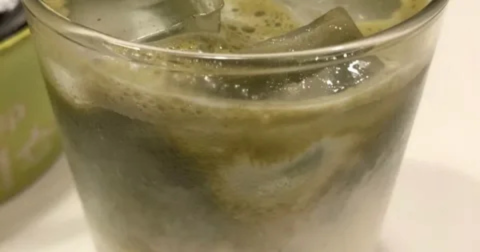
| 6. Try Cold Brewing | Steep leaves in cold or room-temperature water for 4–8 hours in the fridge. Produces sweeter, smoother tea. |
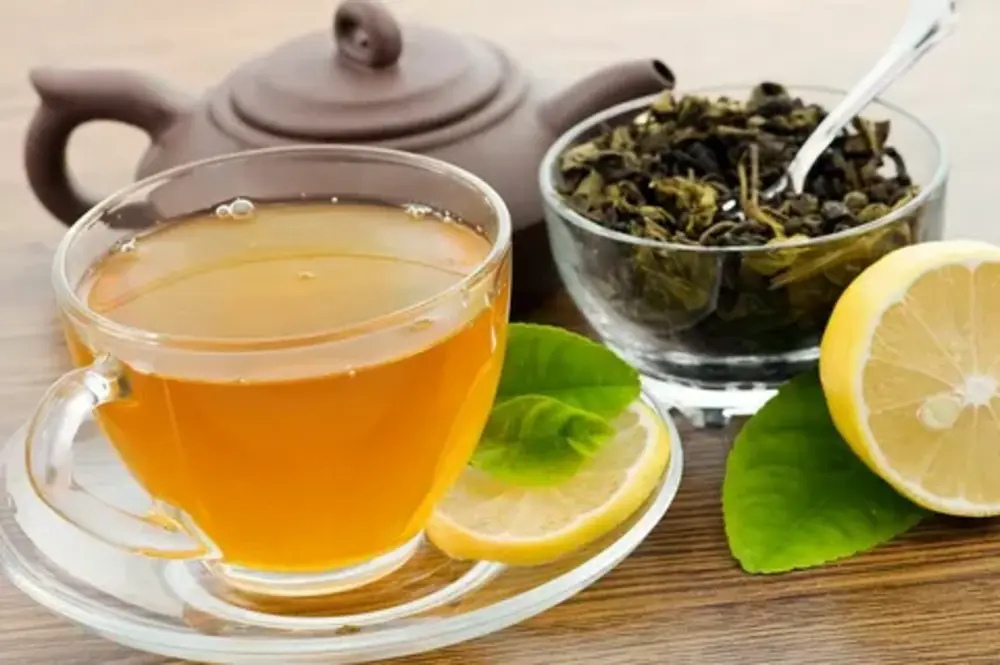
| 7. Salvage Over-Brewed Tea | Dilute with hot water or add small amount of honey or lemon to balance bitterness. |

Advanced Brewing Techniques
For tea enthusiasts looking to perfect their cup, advanced brewing methods can reduce bitterness while enhancing complex flavors.
1. Preheat Your Teaware
Rinsing your teapot or cup with hot water before brewing stabilizes the temperature. This prevents sudden heat changes that extract excess tannins, helping your tea taste smoother.
2. Use Precise Tools
A temperature-controlled kettle ensures your water stays in the ideal range of 70–85 °C (158–185 °F). A kitchen scale helps measure the exact amount of leaves for consistent results, preventing over- or under-extraction.
3. Multiple Short Infusions
Instead of a single long steep, try multiple short infusions. A quick first steep (30–60 seconds) washes away surface tannins, while subsequent longer steeps gradually release flavor without excessive bitterness. This technique brings out subtle aromas and smoothness in high-quality leaves.
Health Implications of Bitter Green Tea
Interestingly, the compounds that make green tea bitter https://nioteas.com/blogs/tea-facts/why-green-tea-is-bitteralso contribute to its health benefits. Catechins and tannins, responsible for astringency, are powerful antioxidants that help neutralize free radicals, support heart health, and may aid in weight management.
Caffeine in green tea provides a gentle energy boost, but over-extraction during brewing can increase bitterness and potentially cause jitters. Meanwhile, L-theanine, an amino acid, balances bitterness by adding umami and promoting relaxation, enhancing mental focus without the edge of caffeine alone.
It’s important to brew green tea correctly: excessive bitterness often indicates over-extraction, which can reduce the proportion of beneficial compounds. A well-prepared cup maintains both taste and health advantages, allowing you to enjoy antioxidants, mild caffeine, and L-theanine in harmony.
By managing bitterness through proper brewing, you can maximize both flavor and wellness benefits, turning each cup into a satisfying and healthful ritual.
Common Mistakes That Lead to Bitter Green Tea
Even experienced tea drinkers sometimes brew a bitter cup due to simple errors:
- Boiling Water: Pouring 100 °C water directly on delicate leaves extracts excessive tannins.
- Over-Steeping: Leaving leaves in water too long intensifies bitterness.
- Too Many Leaves: Using too high a leaf-to-water ratio produces a strong, harsh brew.
- Low-Quality or Stale Tea: Older or broken leaves release bitter compounds faster.
- Improper Storage: Exposure to light, air, or moisture degrades flavor.
- Hard Water: Mineral-rich water amplifies astringent, bitter notes.
Step-by-Step Brewing Guide for Bitter-Free Green Tea
| Step / Tip | Why It Helps | How to Do It |
|---|---|---|
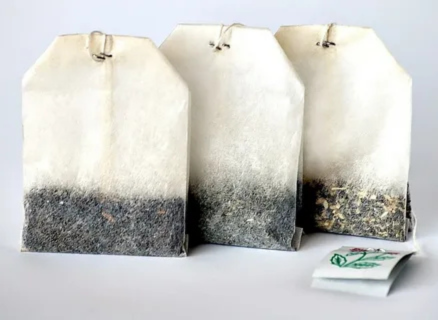
| Use Quality Tea | Better flavor & higher antioxidants | Choose loose-leaf or reputable tea bags |
| Preheat Teaware | Protects catechins and reduces bitterness | Rinse teapot/cup with hot water before brewing |
| Water Temperature | Prevents over-extraction of tannins | Use 70–85 °C (158–185 °F) |
| Correct Steeping Time | Ensures optimal antioxidant release | Steep 1–3 minutes depending on tea type |
| Measure Leaves Accurately | Prevents overly strong, bitter tea | 1 tsp (≈2g) per 240ml (8oz) water |
| Optional Rinse | Removes surface dust, reduces initial bitterness | Pour hot water on leaves 5–10 sec, discard |
| Cold Brewing | Extracts delicate flavors slowly, reduces bitterness | Steep in cold water 4–8 hours in the fridge |
| Natural Enhancers | Balances flavor, adds mild sweetness | Add honey, lemon, or ginger as desired |
| Multiple Infusions | Gradual extraction without harshness | Short first steep, longer subsequent steeps |
| Proper Storage | Maintains freshness and taste | Airtight container, keep cool and dark |

FAQ
Q1: Can I reuse green tea leaves without making it bitter?
Yes. Use multiple short infusions. The first steep may release stronger bitter compounds, while subsequent steeps are smoother and flavorful.
Q2: Why is my green tea still bitter even after lowering temperature and steep time?
This may be due to low-quality or stale leaves, or improper storage. Fresh loose-leaf tea stored in an airtight, dark container produces the best flavor.
Q3: Does adding honey or lemon affect the health benefits?
A small amount of honey or lemon balances bitterness without significantly altering antioxidants or L-theanine content.
Q4: Will cold brewing reduce antioxidants?
Cold brewing extracts antioxidants more slowly but retains most beneficial compounds. It also produces a naturally sweeter, less bitter tea.
Q5: What’s the ideal water temperature to avoid bitterness?
For most green teas, 70–85 °C (158–185 °F) is ideal. This preserves delicate flavors while preventing over-extraction of bitter compounds.
Q6: How can I salvage an over-brewed, bitter cup?
Dilute with hot water or add a small amount of honey or lemon to balance flavors. Avoid over-correcting, which may mask the tea’s natural taste.
Conclusion
Bitter green tea doesn’t have to ruin your tea experience. By understanding why bitterness occurs and applying proper brewing techniques, you can enjoy a smooth, flavorful cup every time. Focus on using high-quality leaves, controlling water temperature and steeping time, and experimenting with methods like cold brewing or multiple infusions. Paying attention to storage, measurement, and optional natural enhancers further improves taste. With these strategies, you can maximize both the health benefits and the delicate flavors of green tea, transforming each cup into a satisfying, enjoyable ritual

My name is Fatima Bibi. I am a health and wellness writer with over five years of research experience in green tea, herbal remedies, and natural living. I study scientific research, health articles, and traditional practices to provide accurate and easy-to-understand information. My goal is to share simple, practical tips that help people improve their daily health naturally. Through my website, I publish well-researched content about green tea benefits, weight management, skincare, and overall wellness. I believe small healthy habits can create long-term positive changes and help people live a balanced, healthier life naturally.