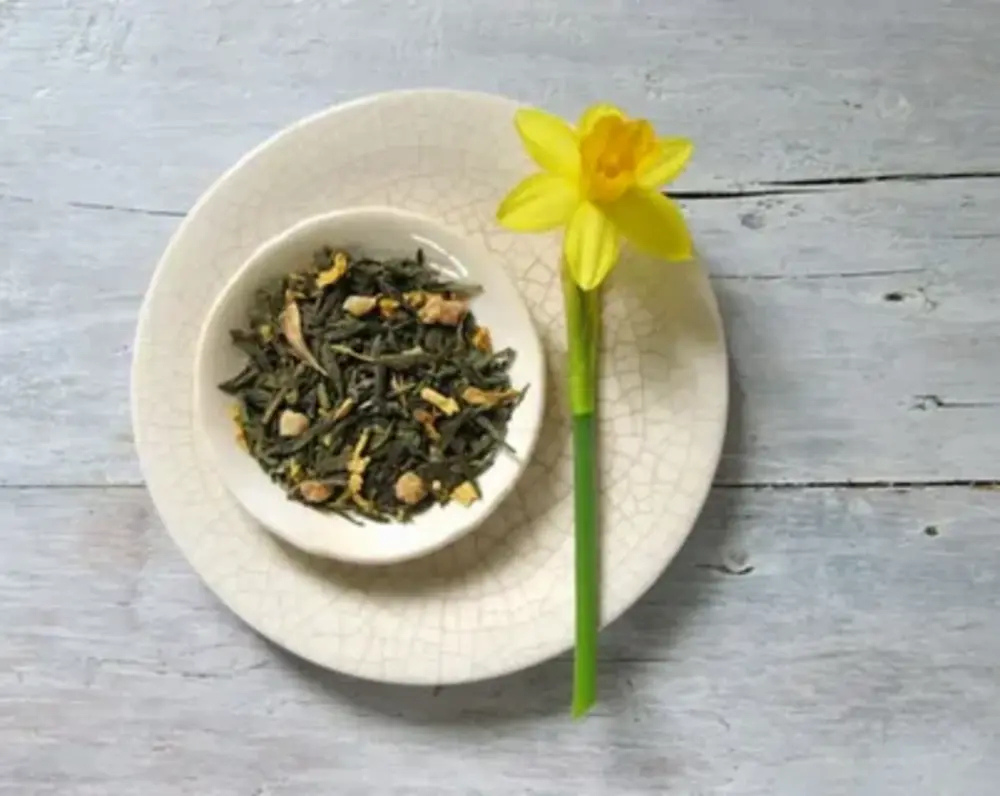

Explore 10 key facts about green tea allergy, including causes, symptoms, and safe treatment options for quick relief.
Introduction
Green tea is often hailed as a healthy staple — rich in antioxidants, gentle on the nerves, and a go-to beverage for many. But what if your body doesn’t respond the same way? For a small number of individuals, green tea doesn’t feel soothing at all — it might trigger unpleasant reactions. This isn’t about caffeine jitters or stomach unease. I’m talking about a real green tea allergy, where your immune system misidentifies something in the tea as a threat. In this article, we’ll explore what that means, how to spot it, and what you can do about it if you suspect you’re affected.
What Is a Green Tea Allergy?
A green tea allergy occurs when your immune system reacts to components of the tea — triggering an allergic response rather than just intolerance or sensitivity. In medical reports, cases have been described where people developed hives, swelling, breathing issues or digestive problems soon after consuming or inhaling tea dust.
It’s important to distinguish allergy from sensitivity or intolerance: an allergy involves an immunologic reaction (often mediated by IgE antibodies), while sensitivity/intolerance usually involves digestive or non-immune reactions (like caffeine effects or tannin-related acidity).
Because true allergy is rare, many suspected “tea allergy” cases turn out to be sensitivities — but it’s still wise to pay attention to any recurring adverse reaction after drinking green tea.
Common Symptoms of Green Tea Allergy
Reactions to green tea vary greatly depending on the person — and sometimes the dose — but the most commonly reported symptoms include:
| Category | Symptoms |
|---|---|
| Skin Reactions | Hives, itchy rash, redness, swelling of lips, face, or throat |
| Respiratory Symptoms | Nasal congestion, runny nose, sneezing, throat tightness, wheezing, breathing difficulty |
| Digestive Issues | Nausea, abdominal cramps, diarrhea, vomiting |
| Systemic Reactions (Rare but Serious) | Swelling of tongue or throat, difficulty breathing, anaphylaxis |
| Mild to Moderate Discomfort | Headaches, dizziness, jitteriness, sleep disturbances (often due to caffeine or tannins) |
Because the symptoms overlap with sensitivity or caffeine intolerance, it’s not always obvious whether you’re dealing with allergy or simply overstimulation.
Tea Components
So, what inside green tea causes reactions? Several candidates:
- Tannins: Green tea naturally contains tannins — compounds that can irritate the gastrointestinal tract and interfere with iron absorption. For some people, tannins may trigger digestive upset or irritation.
- Caffeine: Although green tea has less caffeine than coffee, for those sensitive to caffeine (or allergic to it), even moderate amounts may cause nervousness, heart palpitations, sleep problems, or in rare cases, trigger immune reactions.
- Catechins (like EGCG): Some studies suggest that in rare cases, specific tea components — such as catechins — may sensitize individuals and provoke allergic reactions.
- Tea dust or extracts (in powders or occupational settings): People exposed to tea dust — for example in green tea factories — have developed respiratory allergies or asthma, and some later reacted after ingesting brewed green tea.
It seems that allergies to green tea are very individual — what triggers a reaction in one person might be harmless to another.
How Rare Is It? Allergy vs Sensitivity vs Intolerance
True allergy to green tea is uncommon. According to reviews and clinical reports, documented cases remain limited — often involving occupational exposure (tea dust inhalation) or isolated incidents after ingestion.
At the same time, many people who report negative reactions to green tea are likely experiencing intolerance or sensitivity. These non-allergic reactions (to caffeine or tannins, for instance) are more prevalent and can cause nausea, digestive upset, jitteriness, or sleep disruption.
Because of the overlap, diagnosing a genuine green tea allergy often requires professional evaluation — such as a skin-prick test or supervised oral challenge — rather than self-diagnosis.
What to Do if You Suspect an Allergy (Diagnosis & Management)
If you notice consistent symptoms after drinking green tea — especially symptoms like hives, swelling, breathing difficulty, or throat tightness — it’s wise to take the following steps:
| Action Step | Details |
|---|---|
| Stop consuming green tea immediately | Avoid all forms: brewed green tea, matcha, green tea extracts, supplements, and any products containing green tea. |
| Consult a healthcare provider | Visit an allergist/immunologist. They may perform a skin-prick test, IgE blood test, or supervised oral challenge to confirm the allergy. |
| Treat mild reactions | Mild symptoms like rashes or light breathing discomfort may improve with antihistamines — but use only under medical guidance. |
| Seek emergency help for severe reactions | For throat swelling, breathing difficulty, or symptoms of anaphylaxis, seek emergency medical care immediately. |
| Avoid known triggers | Stay away from anything containing green tea, including matcha powder, flavorings, extracts, and foods made with green tea. |
It’s also helpful to keep a food/drink diary — note what you drank, how strong it was, when you consumed it (empty stomach vs after meal), and what symptoms appeared. This often helps your doctor in diagnosis.
Alternatives to Green Tea (If You’re Allergic or Sensitive)
If green tea doesn’t suit you, there are several gentler alternatives:
- Herbal teas — such as peppermint, chamomile or rooibos — which are naturally caffeine-free and unlikely to contain the same allergens as green (Camellia sinensis) tea.
- Decaffeinated teas (from other plants) — but always check that they aren’t simply green tea decaf or blended with green tea.
- Mild beverages — like warm water with lemon, or lightly steeped herbal infusions — for hydration without risk of allergic reaction.
Of course, before trying any new tea or herbal infusion, monitor how your body responds — especially if you have a history of allergies or sensitivities.
FAQs
Q: Can green tea cause hives or skin rash?
Yes — in some people an allergy to green tea can trigger hives, itchy skin, redness, or swelling of lips and face shortly after drinking.
Q: Is it possible to be sensitive to green tea without being allergic?
Absolutely. Many adverse reactions come from caffeine or tannins — not an immune response. These are typically called intolerance or sensitivity, leading to jitteriness, nausea, sleep issues or stomach discomfort.
Q: Can someone develop a green tea allergy even after drinking it for years without problems?
Yes — there have been documented cases where individuals tolerated green tea for a long time, but later developed allergic reactions after exposure (sometimes linked to inhalation of tea dust in occupational settings).
Conclusion
Though rare, a green tea allergy is a real possibility. For most, green tea remains a healthy, antioxidant-rich beverage. But if you repeatedly suffer from skin rashes, digestive distress, or breathing issues after drinking it — you may be one of the few who react adversely. If that’s the case, stop drinking green tea and seek medical advice. Better safe than sorry.
Used with care and awareness, you can still enjoy hot beverages — but maybe reach for chamomile, peppermint, or other herbal options instead.

My name is Fatima Bibi. I am a health and wellness writer with over five years of research experience in green tea, herbal remedies, and natural living. I study scientific research, health articles, and traditional practices to provide accurate and easy-to-understand information. My goal is to share simple, practical tips that help people improve their daily health naturally. Through my website, I publish well-researched content about green tea benefits, weight management, skincare, and overall wellness. I believe small healthy habits can create long-term positive changes and help people live a balanced, healthier life naturally.