Elderberry green tea benefits make it a smart daily drink, offering antioxidants, immunity support, and gentle energy without jitters.
Introduction
If you’re always on the lookout for natural ways to improve immunity and overall wellness, elderberry green tea benefits might just be one of the best additions to your daily routine. This soothing, flavorful drink combines the antioxidant and health-promoting power of green tea with the traditional medicinal use of elderberry — a berry long revered in herbal wellness circles for its immune-supporting properties.
Unlike many sugary beverages, elderberry green tea offers a rich source of antioxidants, immune-boosting compounds, and potential anti-inflammatory effects. While modern research continues to explore its full potential, many people around the world already drink this tea to help defend against seasonal illnesses, support healthy digestion, and enjoy a naturally refreshing cup. In this guide, we explore every major elderberry green tea benefit, how to prepare it, and what you should know before incorporating it into your wellness regimen.
What Is Elderberry Green Tea?
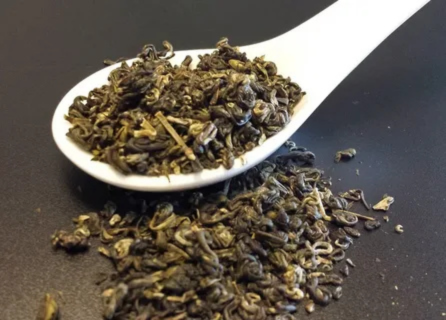
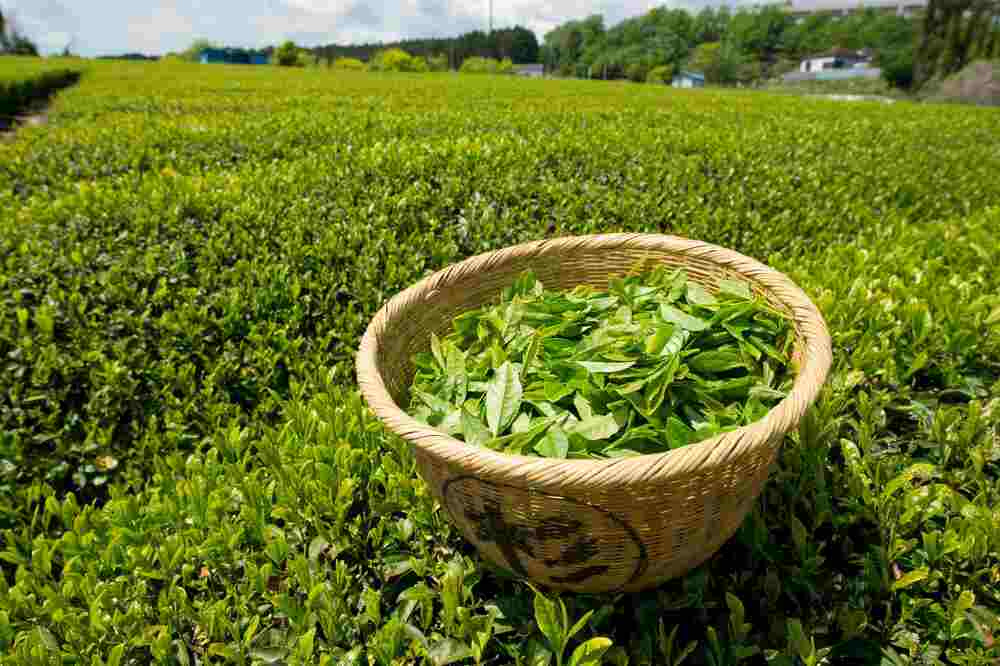
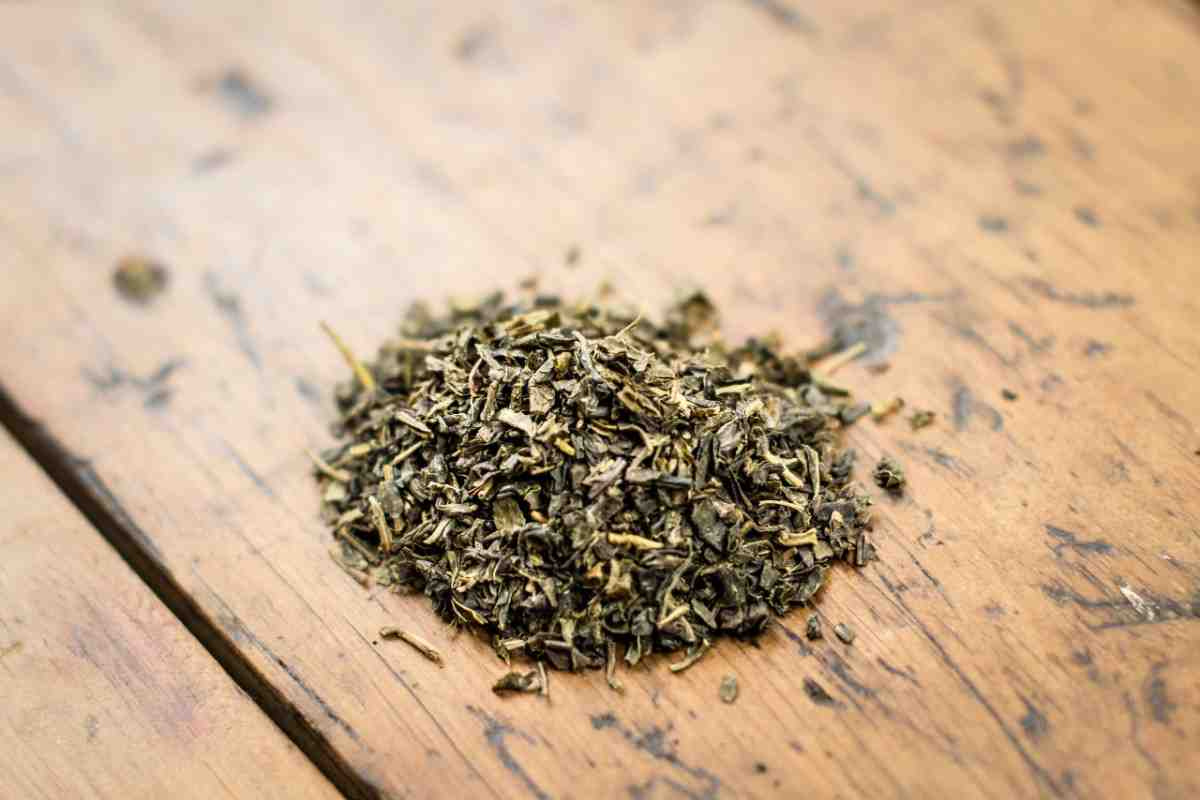
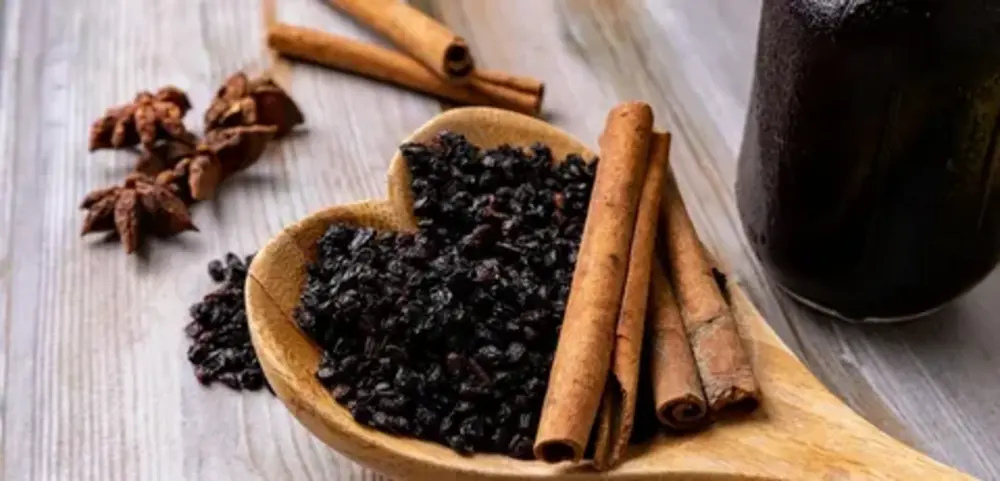
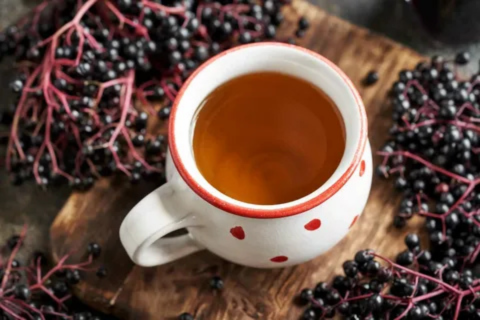
Elderberry green tea is a herbal infusion that combines green tea leaves with dried elderberries (from the Sambucus plant). Green tea itself comes from the Camellia sinensis plant and is celebrated for its antioxidant catechins like EGCG. Meanwhile, elderberries — especially the ripe, cooked berries — contain flavonoids, anthocyanins, and polyphenols that contribute to vibrant color and healthful properties.
Traditionally, elderberry has been used in folk medicine to support immunity and respiratory health. While elderberry tea typically refers solely to the infusion of elderberries, blending it with green tea creates a synergy of benefits — from metabolism support to calming hydration. Commercial products and loose leaf blends may include additional ingredients such as cinnamon, ginger, or citrus to enhance taste and effect.
It’s important to use properly prepared elderberries, since raw or unripe berries, leaves, and stems contain toxic compounds that can cause discomfort.
Nutritional Profile of Elderberry & Green Tea
| Category | Component | Benefits / Functions |
|---|---|---|
| Elderberry Components | Anthocyanins & Flavonoids | Potent antioxidants that fight free radicals |
| Vitamin C & Polyphenols | Support the immune system and protect cells | |
| Dietary Fiber & Trace Minerals | Support digestion and metabolic processes | |
| Tea Preparation Note | When boiled into tea, not all nutrients transfer, but many antioxidants remain bioavailable | |
| Green Tea Components | Catechins (EGCG) | Strong antioxidants linked to multiple health benefits |
| L-Theanine | Promotes calm focus and mental relaxation | |
| Trace Caffeine | Provides gentle energy without jitters for most people | |
| Combined Effect | Elderberry + Green Tea | Rich in immune-supporting and antioxidant compounds that may support overall wellbeing |
Top Benefits of Elderberry Green Tea
1. Immune System Support
One of the most popular elderberry green tea benefits is immune support. Elderberries are packed with antioxidants and polyphenols that help protect cells from damage and may reduce the duration or severity of colds and flu symptoms. Green tea also provides protective catechins that may contribute to overall immune resilience. Regularly consuming this tea, especially during cold seasons, may help your body maintain a stronger defensive response against common seasonal illnesses.
2. Antioxidant Protection
Both green tea and elderberry are antioxidant powerhouses. Elderberries are rich in anthocyanins, while green tea supplies catechins like EGCG. These antioxidants combat oxidative stress — a key factor in aging and chronic diseases — by neutralizing harmful free radicals. Drinking antioxidant-rich beverages like elderberry green tea may contribute to cellular protection and long-term wellness.
3. Heart Health Support
Emerging research suggests elderberry compounds may influence heart health by helping to reduce markers like uric acid and possibly supporting cholesterol balance. Green tea has also been linked to healthier blood pressure and lower risk of heart disease. While tea alone is not a treatment, together these ingredients may support a heart-healthy lifestyle.
4. Digestive Comfort & Metabolism
Elderberry has traditionally been used to support digestion due to its fiber and bioactive compounds. Green tea’s gentle caffeine and antioxidant profile may also support metabolic processes. Together, this tea may help ease mild discomfort like bloating and support digestion when consumed after meals.
5. Anti-Inflammatory Effects
Many of elderberry’s health benefits are linked to anti-inflammatory compounds such as flavonoids and phenolic acids. Reduced inflammation may help with everyday discomfort, joint health, and systemic well-being.
6. Skin & Cellular Health
Antioxidant activity from both elderberry and green tea may contribute to healthier skin by reducing oxidative damage over time.
How to Brew Elderberry Green Tea
Making elderberry green tea at home is simple:
| Category | Ingredient | Quantity | Notes |
|---|---|---|---|
| Main Ingredient | Loose Green Tea | 1–2 teaspoons | Base of the tea |
| Main Ingredient | Dried Elderberries | 1–2 tablespoons | Adds flavor and antioxidants |
| Optional Ingredient | Cinnamon Stick | 1 stick | Optional, for added warmth and flavor |
If you want a cold version, let the brew cool before adding ice. Regular preparation ensures you get the most elderberry compounds without bitterness from over-brewed green tea.
Safety, Side Effects & Precautions
While elderberry green tea benefits can be extensive, safety is important:
- Elderberry Preparation: Never consume raw elderberries, leaves, stems, or bark as they contain toxic compounds. Proper boiling neutralizes harmful substances.
- Allergies: Some people may react to elderberry with hives, nausea, or digestive upset, especially if allergic to flowering plants.
- Medication Interactions: Elderberries and green tea compounds may interact with some medications — especially blood thinners or immunosuppressants — so consult your doctor if you take prescriptions.
- Pregnancy & Nursing: Limited research exists on safety during pregnancy; many health professionals recommend moderation and medical consultation before regular use.
- Caffeine Sensitivity: Green tea contains mild caffeine; sensitive individuals should monitor intake.
Enjoy this tea in moderation and listen to your body. For most people, prepared correctly, it can be a delightful, healthful beverage.
Frequently Asked Questions
Q: Can elderberry green tea prevent colds?
A: Elderberry has been associated with reduced duration and severity of cold and flu symptoms in research, but it’s not a guaranteed preventive cure.
Q: How often should I drink it?
A: 1–3 cups per day is typical. Start with one cup and adjust based on how your body responds.
Q: Does it help with weight loss?
A: Elderberry and green tea both may support metabolism and gut health, which can be part of weight management alongside diet and exercise.
Q: Is it safe for children?
A: Due to elderberry’s potency and limited research on children, consult a pediatrician before regular consumption.
Q: Can I add honey or lemon?
A: Yes — honey adds natural sweetness, and lemon boosts vitamin C and flavor.
Conclusion
In a world full of trendy health drinks, elderberry green tea benefits stand out for their blend of tradition and emerging scientific support. By combining the antioxidant power of green tea with the immune-supporting compounds found in elderberries, this tea offers a natural way to support daily wellness — from immune resilience to digestion and antioxidant protection.
Preparation is simple, and with proper safety awareness, you can make this tea a regular part of your routine. Whether you enjoy it warm on a chilly morning or iced after a workout, elderberry green tea is a refreshing, meaningful way to nourish your body with nature’s best. Always consult your healthcare provider if you have medical conditions or take regular medications.