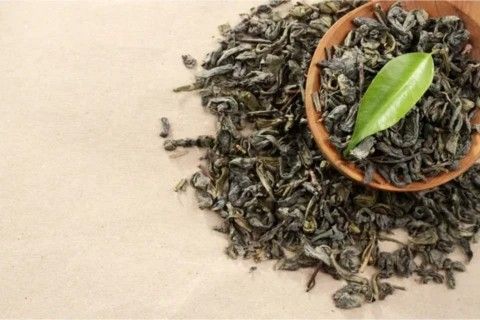
Learn how to make green tea without tea bags using simple brewing methods. Discover 7 easy techniques, benefits, tips, and expert advice for the perfect cup.
Introduction
Green tea is one of the most popular beverages in the world, valued for its refreshing taste and impressive health benefits. While many people rely on tea bags for convenience, making green tea without tea bags is becoming increasingly popular among tea enthusiasts. Loose leaf brewing offers a richer flavor, better aroma, and a more authentic tea experience.
When you prepare green tea without tea bags, the leaves have more room to expand and release their natural oils, antioxidants, and delicate flavors. This results in a smoother and more enjoyable cup compared to many commercial tea bags that often contain broken tea particles.
Another reason people choose green tea without tea bags is quality. Premium green tea varieties are usually sold as loose leaves because they preserve their freshness and nutritional value better. Whether you are looking for a healthier beverage, a stronger flavor, or an eco-friendly brewing method, learning how to make green tea without tea bags can completely transform your daily tea routine.
What Is Green Tea Without Tea Bags?
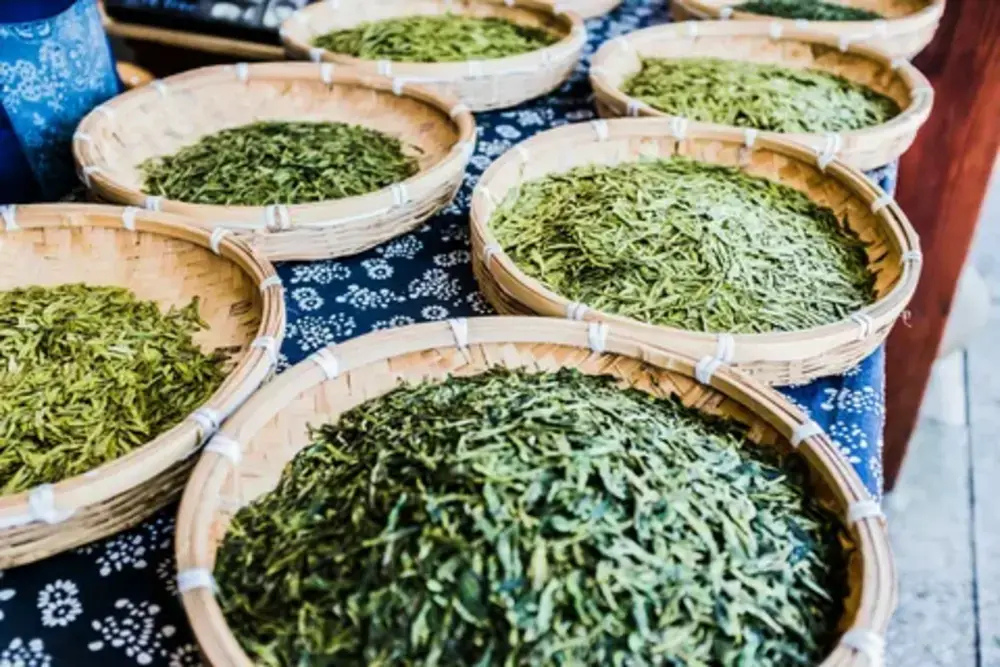
Green tea without tea bags refers to brewing green tea using loose tea leaves rather than pre-packaged tea bags. This traditional method has been practiced for centuries in countries such as China and Japan, where tea culture emphasizes quality and proper preparation.
Loose-leaf green tea consists of whole or partially whole tea leaves that retain more of their natural characteristics. Unlike tea bags, which often contain smaller tea fragments known as dust or fannings, loose leaves provide a more complex flavor profile.
Brewing green tea without tea bags allows the leaves to fully unfurl in hot water. This process releases essential oils, antioxidants, and subtle flavor notes that might otherwise remain trapped. As a result, the tea tastes fresher, cleaner, and more balanced.
Many tea experts prefer loose-leaf brewing because it offers greater control over the brewing process. You can adjust the amount of tea, water temperature, and steeping time to create a cup that perfectly suits your taste preferences.
Benefits of Making Green Tea Without Tea Bags
One of the biggest advantages of preparing green tea without tea bags is improved flavor. Loose leaves contain more intact compounds responsible for aroma and taste, creating a richer drinking experience.
Another benefit is higher quality. Premium green tea producers often reserve their best leaves for loose leaf products. This means you are more likely to enjoy superior freshness and flavor when choosing loose tea.
Green tea is naturally rich in antioxidants, particularly catechins such as EGCG. Because loose leaves are less processed than many tea bag products, they may retain more of these beneficial compounds.
Environmental sustainability is another important advantage. Tea bags often contain plastic materials, staples, or additional packaging. Brewing green tea without tea bags reduces waste and supports eco-friendly habits.
Cost savings can also add up over time. Purchasing loose leaf tea in bulk is frequently more economical than buying individually packaged tea bags. You often receive higher-quality tea at a lower cost per serving.
Finally, loose leaf brewing provides flexibility. You can experiment with different tea varieties, brewing methods, and flavor combinations to create a personalized tea experience that suits your preferences.
7 Easy Ways to Brew Green Tea Without Tea Bags
1. Use a Tea Infuser
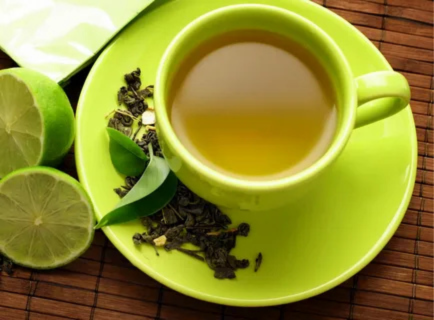
A tea infuser is one of the simplest tools for making green tea without tea bags. Place loose leaves inside the infuser, add hot water, and allow the tea to steep for two to three minutes.
2. Brew in a French Press
A French press works surprisingly well for loose-leaf tea. Add tea leaves to the press, pour hot water over them, and press the filter down after steeping.
3. Use a Fine Mesh Strainer
If you do not have special equipment, a fine mesh strainer can effectively separate tea leaves from brewed tea. This method is simple and affordable.
4. Brew Directly in a Cup
Allow the leaves to settle naturally before drinking.
5. Use a Traditional Teapot
Many tea lovers prefer brewing green tea without tea bags in a teapot. The larger space allows leaves to expand fully and release maximum flavor.
6. Mason Jar Brewing
A clean mason jar can serve as an effective brewing vessel. Add tea leaves, hot water, and strain before serving.
7. Traditional Japanese Brewing
Japanese brewing methods often use specialized teapots designed specifically for green tea. These methods emphasize precise temperatures and careful steeping to produce exceptional flavor.
Best Green Tea Varieties for Loose Leaf Brewing
Not all green teas are the same. Some varieties are particularly well-suited for brewing green tea without tea bags.
Sencha
Sencha is Japan’s most popular green tea. It offers a fresh, grassy flavor and a bright green color.
Dragon Well
Also known as Longjing tea, Dragon Well is one of China’s most famous green teas. It delivers a smooth, nutty flavor with minimal bitterness.
Gunpowder Green Tea
This tea consists of tightly rolled leaves that slowly unfurl during brewing. It produces a bold and slightly smoky taste.
Jasmine Green Tea
Jasmine green tea combines green tea leaves with fragrant jasmine blossoms, creating a floral and refreshing beverage.
Matcha
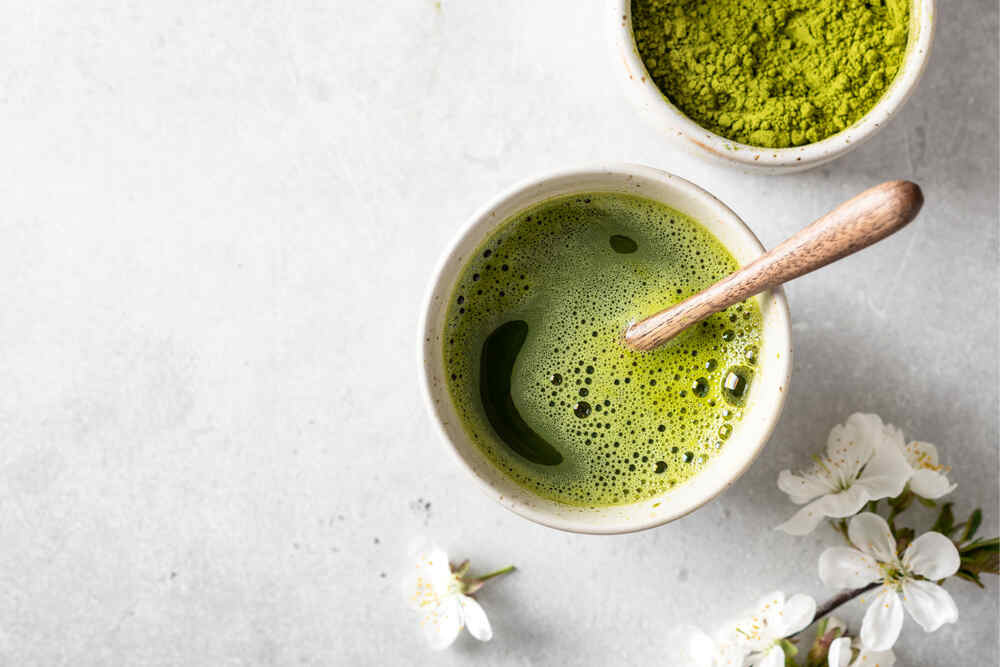
Although prepared differently from traditional loose-leaf tea, matcha remains one of the most popular forms of green tea due to its concentrated nutrients and distinctive flavor.
Common Mistakes to Avoid
Many people accidentally ruin their tea by using water that is too hot. Green tea should generally be brewed between 160°F and 180°F (70°C–82°C). Boiling water can make the tea taste bitter.
Over-steeping is another common mistake. Leaving the leaves in water for too long may create an unpleasant flavor. Most green teas only require two to three minutes of steeping.
Using poor-quality tea leaves can also affect the final result. Always choose fresh, high-quality loose-leaf tea for the best experience.
Finally, avoid using too many leaves. A balanced tea-to-water ratio helps maintain smooth flavor and prevents excessive bitterness.
How to Store Loose-Leaf Green Tea Properly
Proper storage is essential for maintaining freshness. Keep your loose-leaf tea in an airtight container away from light, heat, moisture, and strong odors.
Glass jars may look attractive, but opaque containers often provide better protection against sunlight. Store tea in a cool, dry location such as a pantry or cupboard.
When stored correctly, loose-leaf green tea can maintain its flavor and aroma for several months. Fresh tea always delivers the best brewing results.
Conclusion
Making green tea without tea bags is a simple way to enjoy a fresher, more flavorful, and more authentic tea experience. Loose leaf brewing allows tea leaves to fully expand, producing better aroma, richer taste, and greater satisfaction with every cup. Whether you use a tea infuser, French press, teapot, or traditional Japanese method, brewing green tea without tea bags gives you complete control over quality and flavor. By choosing premium loose leaf varieties and following proper brewing techniques, you can elevate your daily tea routine and enjoy the many benefits that green tea has to offer.
Frequently Asked Questions
Can I make green tea without a tea bag?
Yes. You can use loose tea leaves with a tea infuser, strainer, French press, or teapot.
Is loose-leaf green tea better than tea bags?
Many tea enthusiasts believe loose-leaf tea offers better flavor, aroma, and quality compared to standard tea bags.
What temperature is best for green tea?
Most green teas brew best between 160°F and 180°F (70°C–82°C).
How long should green tea steep?
Generally, two to three minutes is sufficient for optimal flavor.
Can loose tea leaves be reused?
Yes. Many high-quality green teas can be steeped multiple times while still producing excellent flavor.

My name is Fatima Bibi. I am a health and wellness writer with over five years of research experience in green tea, herbal remedies, and natural living. I study scientific research, health articles, and traditional practices to provide accurate and easy-to-understand information. My goal is to share simple, practical tips that help people improve their daily health naturally. Through my website, I publish well-researched content about green tea benefits, weight management, skincare, and overall wellness. I believe small healthy habits can create long-term positive changes and help people live a balanced, healthier life naturally.