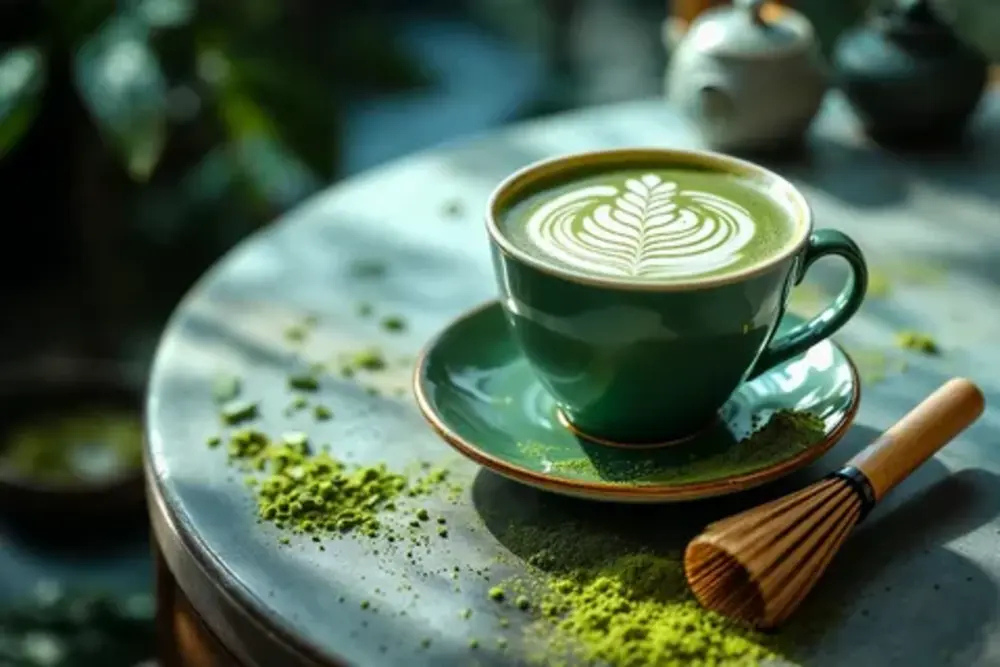
Learn what bright green tea is, why it has a vibrant color, its health benefits, flavor, and simple brewing tips to enjoy the perfect cup every day.
What Is Bright Green Tea?
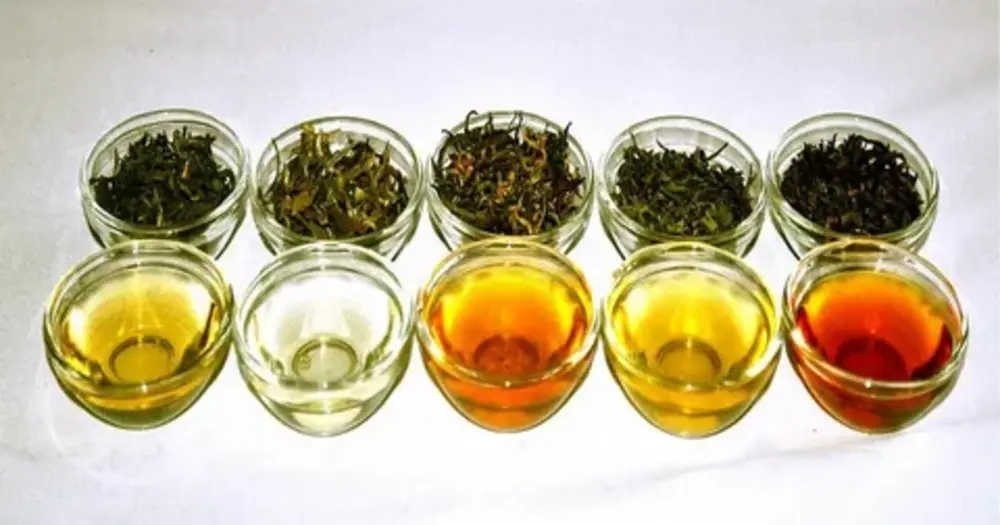
Bright green tea refers to green tea that produces a vivid green color when brewed. This vibrant appearance usually indicates fresh leaves, careful processing, and high chlorophyll content.
Unlike darker teas that undergo heavy oxidation, green tea is processed quickly after harvesting to preserve its natural compounds. This is why bright green tea retains its fresh color and delicate flavor.
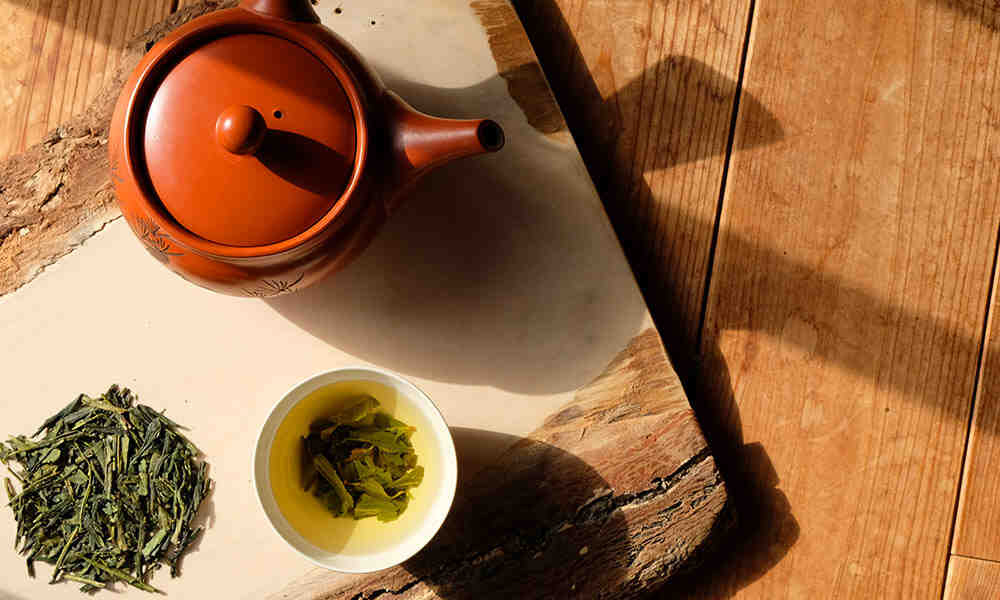
Several popular tea varieties are known for producing bright green tea. Japanese teas such as sencha and gyokuro are excellent examples because they are steamed rather than roasted during processing. This method helps protect the natural green pigments in the leaves.
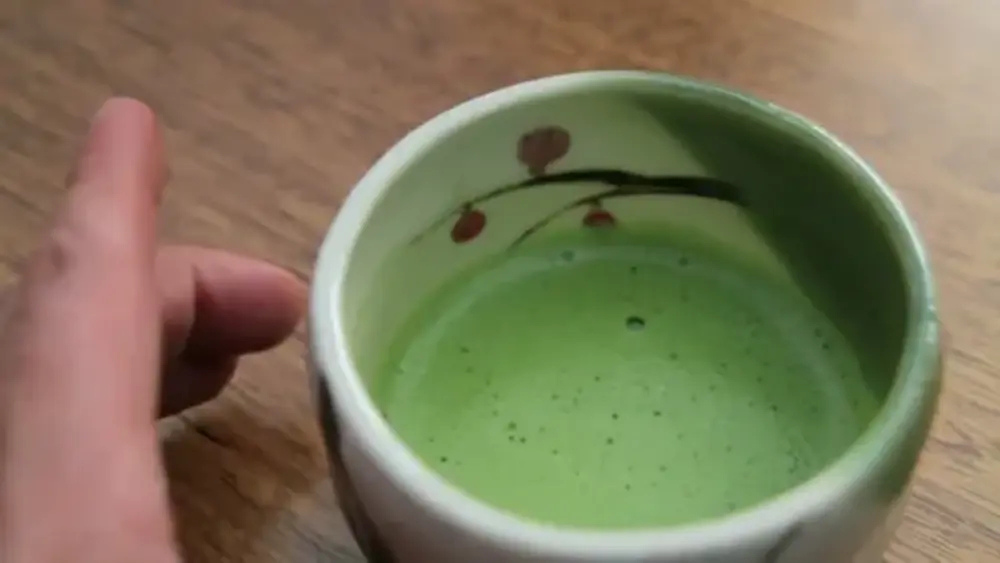
High-quality bright green tea also tends to have a clean aroma and a smooth taste. When brewed correctly, the cup often appears light green or jade-colored, which many tea drinkers see as a sign of freshness and quality.

Why Bright Green Tea Has Its Vibrant Color
The vivid color of bright green tea mainly comes from chlorophyll, the natural pigment responsible for the green color in plants. Tea leaves that are processed gently retain more chlorophyll, which helps create the distinctive color.
One major factor is the processing method. Japanese green teas are typically steamed soon after harvest. Steaming prevents oxidation and locks in the green color, which is why these teas often produce bright green tea when brewed.
In contrast, many Chinese green teas are pan-roasted. While still delicious, this method sometimes results in a slightly darker color.
Another factor is how the tea plants are grown. Shade-grown teas such as gyokuro or matcha develop higher chlorophyll levels because the plants produce more pigment to capture sunlight. This extra chlorophyll contributes to the rich appearance of bright green tea.
Freshness also plays a role. Older tea leaves lose some of their vibrant pigments over time. For this reason, high-quality bright green tea is usually packaged carefully to protect it from light, air, and moisture.
Types of Bright Green Tea
| Tea Type | Origin | Color | Flavor Profile | Special Feature |
|---|---|---|---|---|
| Matcha | Japan | Very bright emerald green | Rich, creamy, slightly sweet | Powdered tea where the entire leaf is consumed |
| Sencha | Japan | Bright green | Fresh, grassy with balanced sweetness and bitterness | Most popular Japanese green tea |
| Gyokuro | Japan | Deep bright green | Smooth, sweet umami flavor | Shade-grown tea with high chlorophyll and amino acids |
| Dragon Well (Longjing) | China | Light bright green | Nutty, smooth, slightly sweet | Famous Chinese green tea with delicate aroma |
Health Benefits of Bright Green Tea
Drinking bright green tea regularly can support overall health thanks to its powerful natural compounds.
Rich in Antioxidants
Bright green tea contains catechins, a type of antioxidant that helps protect cells from damage. These compounds may reduce inflammation and support long-term health.
Supports Metabolism
Many people drink bright green tea because it may support metabolism. The combination of caffeine and catechins can help the body burn energy more efficiently.
Provides Calm Energy
Unlike coffee, bright green tea contains moderate caffeine along with L-theanine. This amino acid promotes relaxation while maintaining focus, creating a balanced and calm form of energy.
Promotes Heart Health
Studies suggest that drinking green tea regularly may help support healthy cholesterol levels and circulation. As a result, bright green tea may contribute to better heart health when part of a balanced lifestyle.
Supports Skin Health
Antioxidants in bright green tea may also benefit the skin. They help fight oxidative stress, which can contribute to signs of aging. Some people even use green tea extracts in skincare for this reason.
Because of these benefits, bright green tea has become a popular daily beverage for people who want a natural way to support their wellness.
How Bright Green Tea Tastes
The flavor of bright green tea is usually fresh, smooth, and slightly grassy. Many varieties also have subtle sweetness and a gentle umami taste.
Japanese bright green tea often has a more vegetal flavor because of the steaming process used during production. Sencha and gyokuro, for example, deliver a refreshing taste with mild sweetness.
Matcha produces a richer and creamier flavor because the entire leaf is consumed in powdered form.
The taste of bright green tea can also vary depending on brewing temperature and steeping time. Water that is too hot may create bitterness, while cooler water helps preserve the tea’s natural sweetness.
Overall, bright green tea offers a balanced flavor that is both refreshing and soothing.
How to Brew Bright Green Tea Properly
Brewing bright green tea correctly is essential if you want to enjoy its color and flavor.
Water Temperature
Green tea is delicate, so boiling water should be avoided. The ideal temperature for bright green tea is usually between 70–80°C (160–175°F).
Steeping Time
Steeping time depends on the type of tea, but most bright green teas require 1–2 minutes. Longer steeping can create bitterness.
Tea Quantity
Use about 1 teaspoon of loose tea leaves per cup of water. Adjust according to your taste preference.
Loose Leaf vs Tea Bags
Loose leaf tea often produces better bright green tea because the leaves have more room to expand. This allows the flavor and nutrients to infuse properly.
Avoid Common Mistakes
Many people accidentally ruin bright green tea by using water that is too hot or steeping it too long. These mistakes can make the tea bitter and dull its color.
By following proper brewing techniques, you can enjoy a vibrant cup of bright green tea with a smooth and refreshing taste.
How to Choose High-Quality Bright Green Tea
Choosing high-quality bright green tea ensures the best flavor and health benefits.
First, look at the color of the dry leaves. Premium green tea should appear vibrant and fresh rather than dull or brownish.
Next, check the aroma. Good bright green tea often has a clean, grassy fragrance.
Packaging also matters. Tea should be stored in airtight containers that protect it from light and moisture. Many high-quality teas come in sealed foil packaging for this reason.
Finally, pay attention to the harvest season. Spring harvest teas are often considered the best because the leaves are young and rich in nutrients.
When you select fresh, well-stored tea, you’re more likely to brew a beautiful cup of bright green tea.
FAQ About Bright Green Tea
Is bright green tea healthier than regular green tea?
Bright green tea often indicates freshness and higher chlorophyll content, but most green teas share similar health benefits.
Why is my green tea not bright green?
It may be due to lower quality leaves, roasting methods, or water that is too hot.
Does bright green tea contain caffeine?
Yes, but it usually contains less caffeine than coffee.
Which tea is the brightest green?
Matcha typically produces the brightest green tea because it uses powdered whole leaves.
Can bright green tea help with weight loss?
It may support metabolism, especially when combined with a healthy lifestyle.

My name is Fatima Bibi. I am a health and wellness writer with over five years of research experience in green tea, herbal remedies, and natural living. I study scientific research, health articles, and traditional practices to provide accurate and easy-to-understand information. My goal is to share simple, practical tips that help people improve their daily health naturally. Through my website, I publish well-researched content about green tea benefits, weight management, skincare, and overall wellness. I believe small healthy habits can create long-term positive changes and help people live a balanced, healthier life naturally.