Does green tea with jasmine have caffeine? Learn how much caffeine is in each cup, factors affecting it, and low-caffeine or decaf alternatives.
What is Jasmine Green Tea?
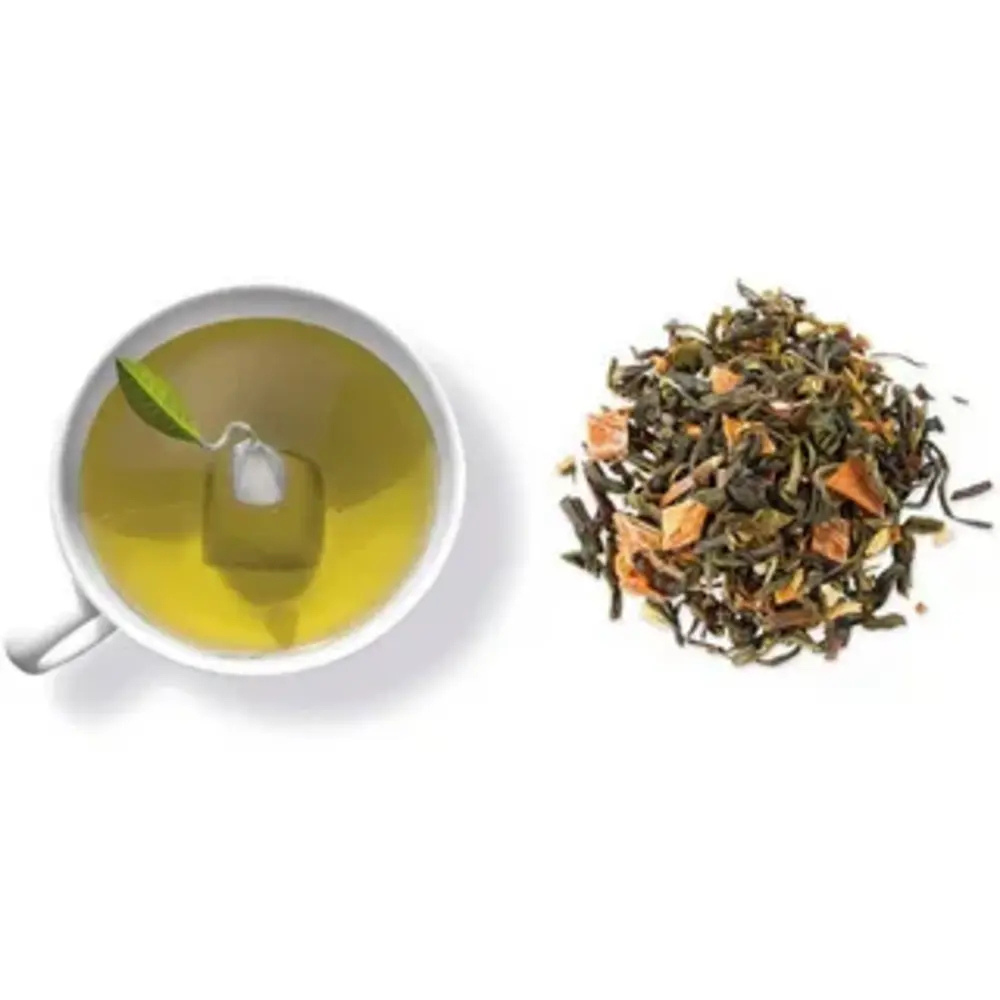
Jasmine green tea is a delicate, aromatic tea made by infusing green tea leaves with the fragrance of jasmine blossoms. Traditionally, fresh jasmine flowers are layered with green tea leaves, allowing the leaves to absorb the floral aroma. This process can be repeated multiple times to achieve a richer scent, creating the tea’s signature flavor and soothing fragrance.
The base of jasmine tea is always green tea, which means it naturally contains caffeine derived from the Camellia sinensis plant. The amount of caffeine varies depending on the tea leaves’ quality, processing, and how the tea is brewed. Jasmine green tea is often considered milder than black tea, making it popular for those seeking a gentle boost without the strong intensity of coffee.
Beyond caffeine, jasmine green tea is celebrated for its antioxidants, such as catechins, which may support heart health, enhance metabolism, and contribute to overall wellness. The floral aroma also promotes relaxation, making it a popular choice for daily consumption.

Why Jasmine Tea Usually Has Caffeine
When jasmine flowers are added for flavor, they don’t remove the caffeine; they only infuse the tea with a delicate, floral aroma.
The caffeine content in jasmine green tea is usually lower than that of black tea or coffee, making it a milder option for daily consumption. This moderate caffeine can improve alertness, focus, and mood without causing the jitters commonly associated with stronger caffeinated drinks.
Factors such as the quality of the green tea leaves, the harvesting season, and the blending process can slightly affect caffeine levels. However, in nearly all commercially available jasmine teas, you can expect a gentle stimulant effect, making it an excellent choice for morning or afternoon tea.
How Much Caffeine Is in Jasmine Green Tea? Typical Ranges
| Beverage / Tea Type | Caffeine Content (Approx.) | Key Points |
|---|---|---|
| Jasmine Green Tea | 30–50 mg per cup | Gentler caffeine; mild stimulant; contains antioxidants (catechins, polyphenols); calming jasmine aroma; suitable for morning/afternoon |
| Black Tea | 40–70 mg per cup | Higher caffeine than jasmine tea; stronger stimulating effect |
| Coffee | 80–120 mg per cup | Much higher caffeine; may cause jitteriness or fast heart rate |
| Herbal Teas (e.g., chamomile, peppermint, hibiscus) | Caffeine-free | Ideal for evening; no stimulation; good for those avoiding caffeine |
Factors That Affect Caffeine Levels in Jasmine Green Tea
Several factors influence how much caffeine ends up in your cup of jasmine green tea. Understanding these variables helps you control your caffeine intake while still enjoying the tea’s aroma and flavor.
Steeping Time & Water Temperature
The longer you steep your jasmine tea, the more caffeine is extracted. A quick 1–2 minute brew releases less caffeine, while steeping for 4–5 minutes or more increases the amount. Water temperature also matters: green tea is best brewed at 70–80°C (158–176°F). Hotter water extracts more caffeine but can also make the tea taste bitter. Adjusting steep time and water temperature is a simple way to moderate caffeine intake.
Leaf Type & Tea Blend
Bagged teas often use finely crushed leaves, which release caffeine faster, while loose leaf teas extract caffeine more gradually. The type of green tea used as the base — such as sencha, long‑leaf, or blended varieties — also affects caffeine levels. High-grade leaves may contain slightly more caffeine than lower-grade blends, even when brewed the same way.
Serving Size & Cup Size
Larger cups dilute caffeine per volume, while smaller cups concentrate it. Using more tea leaves per cup naturally increases caffeine content. Adjusting the amount of leaves and cup size can help you fine-tune your intake without altering the taste.
Jasmine Green Tea vs Other Drinks (Coffee, Black Tea, Herbal Tea)
| Beverage / Tea Type | Caffeine Content (Approx.) | Key Points |
|---|---|---|
| Jasmine Green Tea | 30–50 mg per cup | Gentler caffeine; mild stimulant; contains antioxidants (catechins, polyphenols); calming jasmine aroma; suitable for morning/afternoon |
| Black Tea | 40–70 mg per cup | Higher caffeine than jasmine tea; stronger stimulating effect |
| Coffee | 80–120 mg per cup | Much higher caffeine; may cause jitteriness or fast heart rate |
| Herbal Teas (e.g., chamomile, peppermint, hibiscus) | Caffeine-free | Ideal for evening; no stimulation; good for those avoiding caffeine |
Who Should Watch Caffeine Intake: Sensitivity, Timing & Health Considerations
Even though jasmine green tea has moderate caffeine levels, some individuals should monitor their intake. People with caffeine sensitivity may experience jitters, headaches, or difficulty sleeping if they consume too much. Pregnant or breastfeeding individuals are often advised to limit caffeine, as excessive intake can affect both mother and baby.
Those with certain medical conditions, such as heart arrhythmias, anxiety disorders, or insomnia, may also need to moderate their caffeine consumption. While jasmine green tea is milder than coffee or black tea, drinking multiple cups throughout the day can add up. The general guideline for healthy adults is up to 400 mg of caffeine per day, so even green tea can contribute significantly if consumed in large quantities.
For those who want to enjoy jasmine tea without worrying about caffeine, decaffeinated blends or herbal jasmine infusions are excellent options. These alternatives allow you to savor the flavor and aroma without stimulating effects, making them suitable for evening or late-afternoon consumption.

When to Choose Decaf or Herbal Jasmine Low‑Caffeine Alternatives
For those looking to reduce or eliminate caffeine, decaf jasmine green tea and herbal jasmine infusions are excellent alternatives. Decaffeinated jasmine teas go through processes that remove most of the naturally occurring caffeine while retaining the tea’s delicate flavor and aroma. This makes them ideal for evening consumption or for individuals sensitive to stimulants.
Herbal jasmine blends, which combine jasmine flowers with naturally caffeine-free herbs like chamomile, rooibos, or peppermint, provide a soothing cup without any caffeine at all. These options are perfect for relaxation, bedtime, or for anyone who wants the floral aroma and taste of jasmine without the stimulant effect.
Switching between regular, decaf, and herbal jasmine teas allows tea lovers to enjoy the health benefits, antioxidants, and calming qualities of jasmine while controlling caffeine intake throughout the day.
FAQ
1. Does green tea with jasmine have caffeine?
Yes, jasmine green tea contains caffeine because it is based on green tea leaves from the Camellia sinensis plant. The amount is moderate, usually around 30–50 mg per 8‑oz cup.
2. How much jasmine tea can I drink per day?
Most healthy adults can safely enjoy 2–4 cups per day without exceeding safe caffeine limits. Individuals sensitive to caffeine or consuming other caffeinated beverages should adjust accordingly.
3. Does steeping longer increase caffeine?
Yes. The longer you steep jasmine green tea, the more caffeine is extracted. Hotter water also releases more caffeine, so shorter steeping times produce a milder cup.
4. Is decaf jasmine tea completely caffeine-free?
Decaf jasmine tea contains very minimal caffeine, usually less than 5 mg per cup. Herbal jasmine teas, however, are completely caffeine-free.
Conclusion
So, does green tea with jasmine have caffeine? Yes — but in moderate amounts, typically 30–50 mg per cup. This makes jasmine green tea a perfect choice for those seeking a gentle energy boost without the intensity of coffee or strong black tea. Factors such as steeping time, water temperature, leaf type, and serving size can slightly influence the caffeine content, allowing you to adjust your cup to suit your needs.
For individuals sensitive to caffeine, decaffeinated jasmine teas or herbal jasmine blends offer flavorful alternatives without stimulating effects. Whether for morning focus, afternoon relaxation, or evening enjoyment, jasmine green tea combines aroma, antioxidants, and a mild caffeine lift in one soothing cup.

My name is Fatima Bibi. I am a health and wellness writer with over five years of research experience in green tea, herbal remedies, and natural living. I study scientific research, health articles, and traditional practices to provide accurate and easy-to-understand information. My goal is to share simple, practical tips that help people improve their daily health naturally. Through my website, I publish well-researched content about green tea benefits, weight management, skincare, and overall wellness. I believe small healthy habits can create long-term positive changes and help people live a balanced, healthier life naturally.