“Curious if green tea breaks autophagy? Explore the science, benefits, and expert insights on green tea’s role in fasting and cellular repair.”
Introduction
Green tea is one of the most popular beverages worldwide, celebrated not just for its refreshing taste but also for its impressive health benefits. Among health enthusiasts and those practicing intermittent fasting, a common question arises: does green tea break autophagy? Autophagy, the body’s natural process of cleaning out damaged cells and regenerating new ones, plays a crucial role in longevity, cellular repair, and overall health. Understanding whether green tea interferes with this process is essential for anyone looking to maximize the benefits of fasting.
While green tea is packed with antioxidants like EGCG and polyphenols that support cellular health, it also contains small amounts of caffeine and minimal calories. This unique combination makes it a beverage that could either support or slightly influence autophagy depending on timing and preparation. In this guide, we’ll explore the science, debunk common myths, and provide practical tips on enjoying green tea without compromising your fasting goals.
What is Autophagy?
Autophagy is a natural, essential process where the body cleans out damaged or dysfunctional cells and regenerates new, healthy ones. The term comes from Greek, meaning “self-eating,” which reflects how cells recycle waste materials, remove toxins, and maintain optimal function. This cellular cleanup is vital for overall health, supporting everything from metabolism and immune function to longevity and disease prevention.
During autophagy, the body targets damaged proteins, old mitochondria, and other cellular debris, breaking them down into reusable components. This process is especially active during fasting, calorie restriction, or intense exercise, when the body signals the need to conserve resources and optimize cellular efficiency.
Health benefits of autophagy include improved energy metabolism, enhanced brain function, reduced inflammation, and a lower risk of chronic diseases such as diabetes, cancer, and neurodegenerative disorders. It’s no wonder that many health enthusiasts and intermittent fasters prioritize activities and foods that support autophagy.

Green Tea Overview
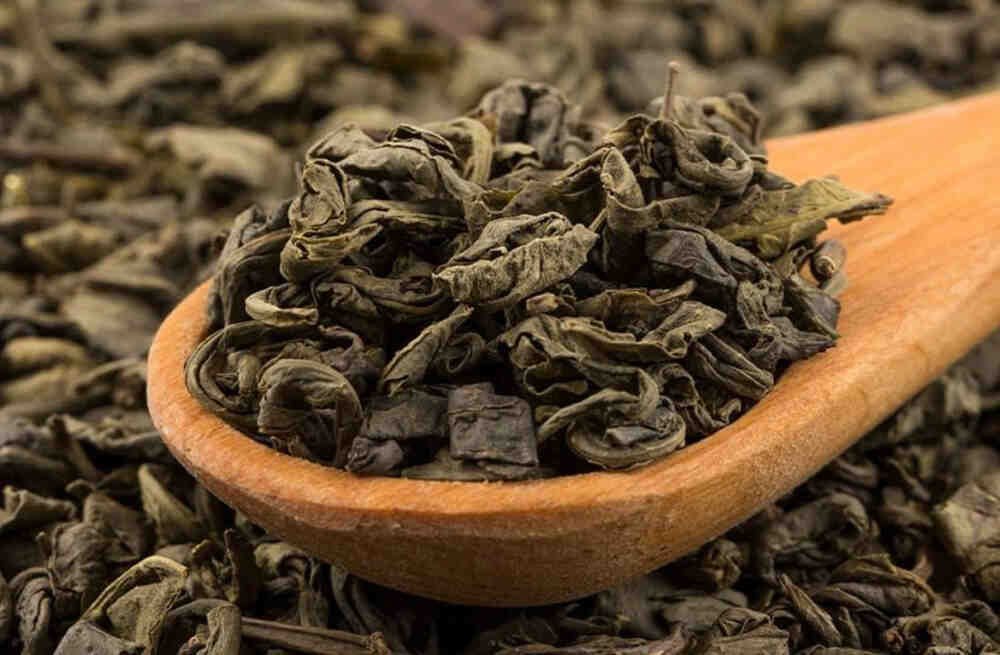
Green tea, derived from the leaves of the Camellia sinensis plant, has been consumed for centuries for its refreshing taste and remarkable health benefits. Unlike black tea, green tea is minimally processed, which preserves its high concentration of bioactive compounds, particularly catechins and EGCG (Epigallocatechin gallate). These antioxidants help combat free radicals, support cellular health, and may even aid in weight management.
Beyond antioxidants, green tea contains a modest amount of caffeine and L-theanine, an amino acid that promotes focus and calm alertness. These compounds make green tea a popular choice for those practicing intermittent fasting or seeking mental clarity throughout the day.
Health benefits of green tea include improved heart health, enhanced metabolism, better brain function, and cellular protection. With its low calorie content and rich nutrient profile, it’s no surprise that many people wonder whether green tea can impact autophagy, especially during fasting periods.
Does Green Tea Break Autophagy?
A common concern among fasters and health enthusiasts is whether drinking green tea affects autophagy. The short answer is: it depends on how and when you consume it. Autophagy is triggered by calorie restriction, fasting, and certain stressors, and any intake of calories or compounds that stimulate insulin can potentially influence the process.
Green tea is naturally low in calories—almost negligible when consumed plain—so it generally does not break autophagy. Its key bioactive compounds, such as EGCG and polyphenols, actually support cellular health by reducing oxidative stress and promoting cellular repair. Some studies even suggest that green tea can enhance the autophagy process, particularly in liver and brain cells, by activating specific cellular pathways linked to longevity and metabolism.
However, caution is needed with green tea additives. Adding sugar, honey, or milk introduces calories and macronutrients that can interfere with fasting-induced autophagy. Additionally, the caffeine in green tea may slightly affect hormonal balance in sensitive individuals, but for most people, this effect is minimal and does not significantly hinder autophagy.
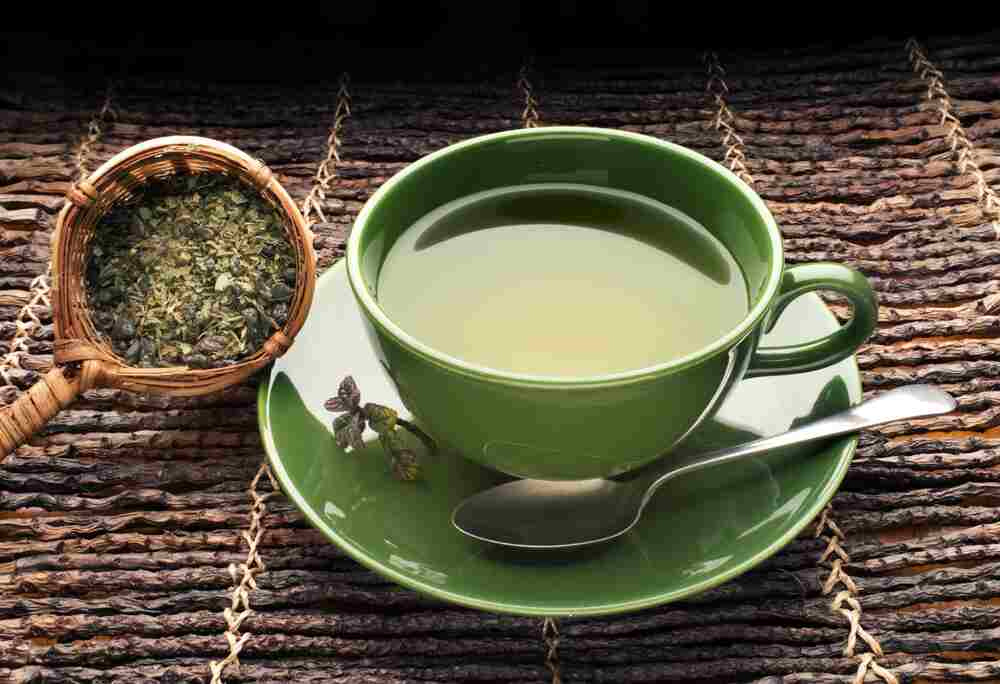
Ultimately, drinking plain green tea during fasting is considered safe and may even support cellular repair and antioxidant activity. Timing also matters: consuming green tea during the fasting window maximizes benefits, while drinking large amounts close to calorie intake may have a minor impact.
By understanding these nuances, you can enjoy green tea as a supportive beverage that aligns with your fasting and autophagy goals.
Benefits of Green Tea During Fasting
Green tea offers several advantages when consumed during fasting, making it a popular choice for intermittent fasters and health enthusiasts. One of the main benefits is enhanced fat metabolism. The catechins, particularly EGCG, help stimulate fat oxidation, allowing the body to burn stored fat more efficiently during fasting periods.
Another benefit is cellular protection. Green tea is rich in antioxidants that combat oxidative stress and support autophagy, helping the body repair and regenerate cells more effectively. By reducing inflammation and promoting detoxification, green tea can complement the natural cellular cleanup that fasting triggers.
Additionally, green tea improves mental alertness and energy. Its combination of caffeine and L-theanine enhances focus, reduces fatigue, and promotes calm alertness without breaking a fast. This makes it ideal for morning or mid-day consumption during fasting windows.
Finally, green tea contributes to hydration without adding calories, which is crucial during extended fasting periods. By supporting metabolism, cellular repair, and mental clarity, green tea can be a powerful ally for anyone aiming to maximize the benefits of fasting and autophagy.
Factors That Influence Autophagy
Autophagy is influenced by several lifestyle and dietary factors, which can either enhance or inhibit this vital cellular process. Fasting duration is a primary driver—longer fasting periods typically stimulate more autophagy, while frequent eating or high-calorie meals can suppress it. Similarly, caloric intake and macronutrient composition matter; protein and carbohydrate consumption can trigger insulin release, potentially reducing autophagy activity.
Exercise is another powerful factor. Moderate to intense physical activity activates autophagy in muscles and other tissues, complementing the effects of fasting. Sleep quality also plays a role; adequate rest ensures proper hormonal balance, which supports cellular repair and regeneration.
Even green tea consumption can influence autophagy positively if consumed correctly—plain and during fasting windows—by providing antioxidants without significant calories. Understanding these factors allows you to maximize autophagy benefits while incorporating supportive foods and beverages like green tea.
How to Consume Green Tea Without Breaking Autophagy
| Tip / Practice | Details / Explanation |
|---|---|
| Use Plain Green Tea | Focus on unflavored green tea without sugar, honey, milk, or any caloric additives to avoid triggering insulin and disrupting autophagy. |
| Timing | Drink green tea during your fasting window, especially in the morning or mid-day, to support mental alertness, hydration, and antioxidants without breaking the fast. |
| Recommended Intake | 2–3 cups per day is safe and effective for fasting and autophagy support. |
| Brewing Temperature & Time | Brew at 160–180°F (70–80°C) for 2–3 minutes to preserve catechins and EGCG, maximizing cellular protection. |
| Caffeine Consideration | Moderate intake is recommended; excessive caffeine may slightly affect hormones in sensitive individuals. |
| Overall Benefit | Following these practices allows safe green tea consumption, supporting fasting, autophagy, and overall cellular health. |
Common Myths About Green Tea and Autophagy
There are several misconceptions surrounding green tea and autophagy. One common myth is that any consumption of green tea breaks autophagy. In reality, plain green tea is virtually calorie-free and generally does not interfere with the process. Another myth is that caffeine in green tea always hinders cellular repair. While excessive caffeine can affect hormones in sensitive individuals, moderate intake is typically safe and may even enhance alertness during fasting. Some also believe added flavors or lemon juice break autophagy; however, non-caloric additives like lemon slices are usually fine. Understanding these myths helps fasters make informed choices.

FAQs
1. Does green tea break autophagy if consumed with lemon?
No, adding a few slices of lemon or lemon juice to green tea does not break autophagy, as long as no sugar or caloric ingredients are included. Lemon is non-caloric and may even enhance antioxidant absorption.
2. Can decaf green tea affect fasting or autophagy?
Decaf green tea is also safe during fasting. It contains minimal caffeine while retaining beneficial antioxidants, so it won’t interfere with autophagy and may provide similar cellular support as regular green tea.
3. How much green tea is safe during a fast?
Consuming 2–3 cups of plain green tea per day is generally safe and effective for supporting hydration, mental clarity, and antioxidant intake without breaking fasting-induced autophagy.
4. Can green tea enhance autophagy?
Some studies suggest that EGCG and polyphenols in green tea may support autophagy by reducing oxidative stress and activating cellular repair pathways, especially when consumed during fasting windows.
Conclusion
Green tea is a powerful, low-calorie beverage that can complement fasting and support autophagy when consumed correctly. Plain green tea, rich in antioxidants like EGCG and polyphenols, generally does not break autophagy and may even enhance cellular repair and fat metabolism. Timing, preparation, and avoiding caloric additives are key to maximizing its benefits. By understanding how green tea interacts with fasting, you can enjoy its mental alertness, antioxidant support, and hydration without compromising your health goals. Incorporating green tea wisely ensures that you reap both its flavorful and cellular benefits during your fasting journey.

My name is Fatima Bibi. I am a health and wellness writer with over five years of research experience in green tea, herbal remedies, and natural living. I study scientific research, health articles, and traditional practices to provide accurate and easy-to-understand information. My goal is to share simple, practical tips that help people improve their daily health naturally. Through my website, I publish well-researched content about green tea benefits, weight management, skincare, and overall wellness. I believe small healthy habits can create long-term positive changes and help people live a balanced, healthier life naturally.